Introduction
The Steadfast Tube-nosed Fruit Bat (Paranyctimene tenax) is a fascinating yet relatively lesser-known mammal species belonging to the family Pteropodidae, commonly known as megabats or fruit bats. As the name suggests, these bats are distinguished by their tube-shaped nostrils, which adapt them to their fruit-based diet. Found primarily in specific regions of Oceania, the Steadfast Tube-nosed Fruit Bat plays a critical role in its ecosystem, particularly in seed dispersal and pollination, making it a species of great ecological importance.
This article delves into the various aspects of this intriguing bat species, from its physical characteristics and habitat preferences to its behavior, dietary habits, and the conservation challenges it faces.
Physical Description
The Steadfast Tube-nosed Fruit Bat is characterized by its unique nasal structure, with nostrils that extend outward in a tube-like manner. This distinctive feature is not only a key identifier but also aids in its feeding habits, allowing it to reach into flowers to access nectar and fruits.
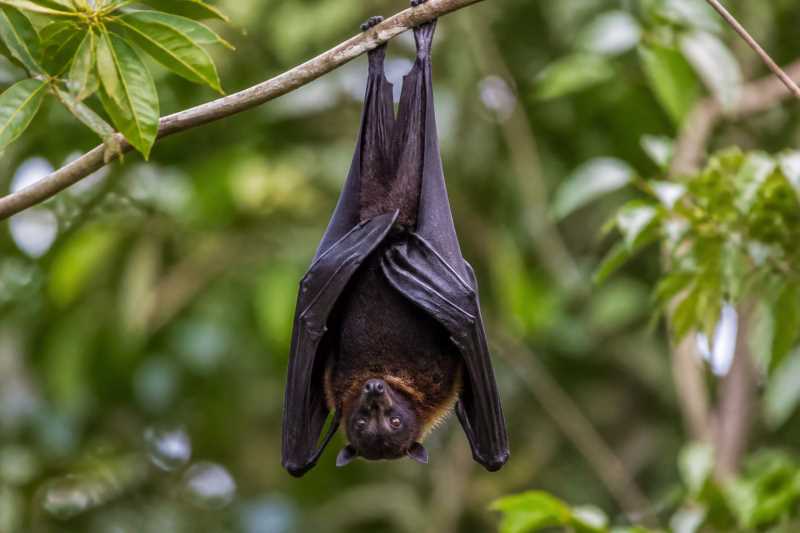
In terms of size, these bats are medium-sized among fruit bats, with a wingspan ranging from 40 to 50 centimeters. Their fur is generally a blend of olive green and brown, providing effective camouflage within their natural habitat. The fur is dense and soft, offering insulation and protection. The eyes of the Steadfast Tube-nosed Fruit Bat are large and adapted for nocturnal activity, facilitating better vision in low-light environments.
Their wings are long and narrow, optimized for agile flight through dense forest canopies. Additionally, the bats possess a short tail, which is uncommon in many other fruit bat species, and their ears are small and rounded, complementing their overall streamlined appearance.
Range and Habitat
The Steadfast Tube-nosed Fruit Bat is predominantly found in the lowland tropical and subtropical forests of Papua New Guinea, including surrounding islands. This species favors regions with dense vegetation and abundant fruit-bearing trees, which provide both food and shelter.
These bats are arboreal, often roosting in the canopy layer of forests where they can easily access their primary food sources. They prefer undisturbed forests that offer a rich diversity of plant species. However, they have also been observed in secondary forests, indicating some level of adaptability to altered habitats.
Behavior and Diet
Steadfast Tube-nosed Fruit Bats are primarily nocturnal, venturing out at dusk to forage. Their diet consists mainly of fruits, nectar, and occasionally flowers, which they locate using their keen sense of smell and sight. These bats play a pivotal role in their ecosystem by aiding in pollination and seed dispersal, as they transfer pollen and seeds from one plant to another during feeding.
Socially, these bats are known to form small colonies, often roosting together during the day. Communication among individuals occurs through a series of high-pitched calls, which are used to coordinate flight and foraging activities. Additionally, they exhibit a strong homing instinct, often returning to the same roosting sites after nightly foraging excursions.
Identification Tips
Identifying the Steadfast Tube-nosed Fruit Bat in the field can be done by observing several key characteristics:
- Nasal Structure: Look for the distinctive tube-shaped nostrils that stand out on their face.
- Fur Coloration: Their olive green and brown fur provides effective camouflage in forested environments.
- Size and Wingspan: Note their medium size with a wingspan of 40 to 50 centimeters.
- Flight Pattern: Observe their agile and erratic flight, which helps them navigate through dense canopies.
- Roosting Behavior: They can often be found roosting in small groups within tree canopies.
Conservation Status
The Steadfast Tube-nosed Fruit Bat currently faces several conservation challenges, primarily due to habitat loss and hunting. The expansion of agricultural land and logging activities in Papua New Guinea has led to significant deforestation, reducing the natural habitat available for these bats.
Additionally, fruit bats are sometimes hunted for their meat, although this is less common for the Steadfast Tube-nosed Fruit Bat compared to other species. Climate change also poses a threat by altering the distribution of fruiting trees, which are crucial for their survival.
Despite these threats, the species is currently listed as Near Threatened on the IUCN Red List. Conservation efforts are focused on habitat protection and restoration, alongside raising awareness about the ecological importance of fruit bats.
Frequently Asked Questions
1. What is the main diet of the Steadfast Tube-nosed Fruit Bat?
The Steadfast Tube-nosed Fruit Bat primarily feeds on fruits, nectar, and flowers. Their tube-shaped nostrils allow them to access nectar more effectively, playing a crucial role in pollination and seed dispersal.
2. Where can the Steadfast Tube-nosed Fruit Bat be found?
These bats are mainly found in the lowland tropical and subtropical forests of Papua New Guinea and surrounding islands. They prefer dense, undisturbed forests.
3. How does deforestation impact the Steadfast Tube-nosed Fruit Bat?
Deforestation leads to habitat loss, which is a significant threat to the Steadfast Tube-nosed Fruit Bat. It reduces the availability of food sources and suitable roosting sites, which are essential for their survival.
4. How can I identify a Steadfast Tube-nosed Fruit Bat?
Look for the characteristic tube-shaped nostrils, olive green and brown fur, medium size, and an agile flight pattern. They are often seen roosting in small groups in tree canopies.
5. Why is the Steadfast Tube-nosed Fruit Bat important to the ecosystem?
This species is vital for pollination and seed dispersal, which helps maintain the health and diversity of tropical forest ecosystems. Their feeding habits contribute to the regeneration of plant populations.
Related posts