Introduction
The Ecuadorian Little Yellow Bat, scientifically known as Rhogeessa velilla, is a captivating species of bat belonging to the Vespertilionidae family. These small mammals are an integral component of the rich biodiversity found in Ecuador and contribute significantly to the ecological balance of their habitats. This article delves into the intricate details of the Ecuadorian Little Yellow Bat, exploring its physical attributes, range, and habitat, as well as its behavior, diet, and conservation status.
Bats are often misunderstood creatures, and species like the Ecuadorian Little Yellow Bat are no exception. They are, however, vital to ecosystems, serving roles in pest control, pollination, and seed dispersal. Understanding the intricacies of their existence is crucial, not just for appreciation, but for the conservation efforts necessary to protect these unique animals.
Physical Description
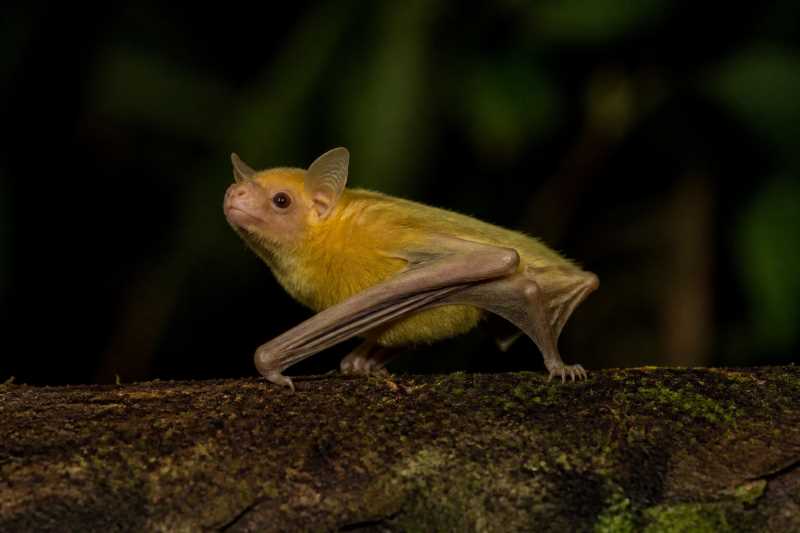
The Ecuadorian Little Yellow Bat is a diminutive bat species characterized by its distinct coloration and delicate physical features. Typically, these bats exhibit a striking yellowish-brown or buff coloration, which can vary slightly depending on individual and environmental factors. Their fur is soft and dense, providing insulation and aiding in temperature regulation.
The bat’s body is small, with a head-body length ranging from 3 to 4 centimeters, and a wingspan stretching between 20 to 25 centimeters. Their wings are narrow and elongated, adapted for agile flight and maneuverability. The wing membranes are usually dark, providing a stark contrast to their lighter fur.
Facially, the Ecuadorian Little Yellow Bat possesses a short muzzle with a slightly upturned nose. Their ears are relatively large and rounded, essential for echolocation, a critical navigational and hunting tool. The eyes are small but well-adapted to low-light conditions, an adaptation that complements their nocturnal lifestyle.
Range and Habitat
Endemic to Ecuador, the Ecuadorian Little Yellow Bat is primarily found in regions that offer a warm and humid climate, conducive to their survival. Their range extends across various ecosystems, including tropical and subtropical forests, which provide ample roosting and foraging opportunities. These bats prefer habitats that offer dense vegetation, which not only provides shelter but also supports insect populations, their primary food source.
In addition to natural habitats, the Ecuadorian Little Yellow Bat is occasionally found in agricultural areas and near human dwellings, where they may roost in attics, barns, or other structures. This adaptability to different environments is a testament to their resilience and ability to thrive in varied conditions.
Behavior and Diet
The Ecuadorian Little Yellow Bat is a nocturnal creature, with peak activity occurring during the night. During the day, they roost in secluded areas, often in small groups, to avoid predators and rest. Their behavior is heavily influenced by environmental conditions, particularly temperature and food availability.
Dietarily, these bats are insectivorous, feeding primarily on a diet of small insects such as moths, beetles, and flies. They employ echolocation to locate their prey, emitting high-frequency sound waves that bounce off objects, allowing them to detect and capture insects with remarkable precision. This method of hunting is not only efficient but also essential for maintaining the balance of insect populations in their ecosystems.
Identification Tips (Field Recognition Cues)
Identifying the Ecuadorian Little Yellow Bat in the field requires a keen eye and some knowledge of their distinct characteristics:
- Coloration: Look for their characteristic yellowish-brown or buff fur, which is a key identifying feature.
- Size: Note their small size, with a head-body length of 3 to 4 centimeters and a wingspan of 20 to 25 centimeters.
- Ears: Their large, rounded ears are a distinguishing feature, aiding in echolocation.
- Flight Pattern: Observe their agile and erratic flight patterns, typical of insectivorous bats.
- Habitat: They are often found in tropical and subtropical forests or in proximity to agricultural lands.
Conservation Status (with Threats and Protections)
The Ecuadorian Little Yellow Bat is currently listed as a species of Least Concern by the International Union for Conservation of Nature (IUCN). However, like many bat species, they face several threats that could impact their populations if left unmitigated.
Threats:
- Habitat Destruction: Deforestation and land conversion for agriculture or urban development pose significant risks to their natural habitats.
- Pesticides: The use of agricultural chemicals can reduce insect populations, their primary food source, and pose direct toxicological threats.
- Climate Change: Alterations in climate patterns can affect the availability of food and suitable roosting sites.
Protections:
Conservation efforts are crucial to safeguard the Ecuadorian Little Yellow Bat. These include habitat protection and restoration, promoting sustainable agricultural practices, and conducting further research to better understand their ecological needs. Public education campaigns aimed at reducing human-wildlife conflicts and enhancing appreciation for bats are also pivotal in promoting their conservation.
Frequently Asked Questions
1. What does the Ecuadorian Little Yellow Bat eat?
The Ecuadorian Little Yellow Bat is insectivorous, feeding primarily on small insects such as moths, beetles, and flies. They use echolocation to effectively hunt and capture their prey during nocturnal foraging sessions.
2. Where can I find the Ecuadorian Little Yellow Bat?
This bat species is endemic to Ecuador and can be found in tropical and subtropical forests, as well as in agricultural areas and near human settlements where they may roost.
3. How does the Ecuadorian Little Yellow Bat navigate at night?
The bat uses echolocation, emitting high-frequency sound waves that bounce off objects and return as echoes, allowing them to navigate and hunt in complete darkness.
4. Is the Ecuadorian Little Yellow Bat endangered?
Currently, the Ecuadorian Little Yellow Bat is not endangered and is listed as a species of Least Concern. However, ongoing threats such as habitat loss and pesticide use require vigilant conservation efforts to ensure their continued survival.
5. Why are bats important to the ecosystem?
Bats play critical roles in ecosystems as pest controllers, pollinators, and seed dispersers. This helps maintain ecological balance and contributes to the health of various habitats.
Related posts