Introduction
The Southern Amazon Red Squirrel, scientifically known as Sciurus spadiceus, is a captivating mammal species that inhabits the lush forests of the Amazon. This intriguing squirrel is a part of the Sciuridae family, which encompasses a diverse range of squirrel species distributed across the globe. Known for its vibrant red fur and agile movements, the Southern Amazon Red Squirrel plays a vital role in its ecosystem, contributing to seed dispersal and forest regeneration. This article delves into the fascinating aspects of this species, covering its physical traits, habitat preferences, behavioral patterns, and conservation status, providing a comprehensive overview for wildlife enthusiasts and researchers alike.
Physical Description
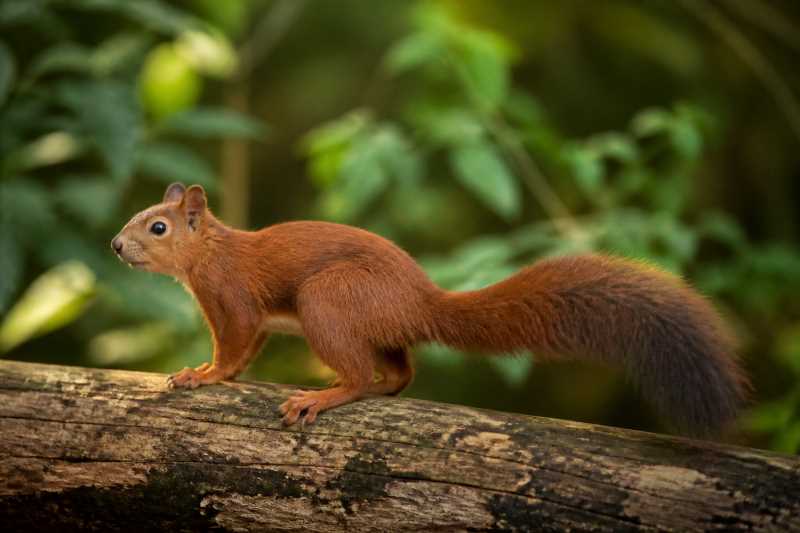
The Southern Amazon Red Squirrel is a medium-sized tree squirrel distinguished by its striking reddish-brown fur, which gives it the common name. This vibrant coloration can vary slightly depending on the region and individual, ranging from deep chestnut to a lighter, more orangey hue. The underside of the squirrel is typically a contrasting white or cream color, providing a distinctive counter-shading that aids in camouflage among the forest canopy.
Adult Southern Amazon Red Squirrels usually measure between 25 to 35 centimeters in body length, with a bushy tail that can add an additional 20 to 25 centimeters. This long, fluffy tail not only serves as a balancing tool during acrobatic leaps between trees but also acts as a protective cover against the elements and a communication aid when interacting with other squirrels.
Their large, almond-shaped eyes are adapted for excellent vision, crucial for spotting predators and navigating the dense forest environment. Equipped with strong hind legs, these squirrels are adept climbers and can make impressive leaps from one branch to another. Their sharp claws and flexible ankle joints enhance their grip, enabling them to maneuver seamlessly across the treetops.
Range and Habitat
The Southern Amazon Red Squirrel is native to the expansive Amazon rainforest, occupying a range that spans several South American countries, including Brazil, Peru, Ecuador, and Bolivia. This species thrives in tropical rainforest environments, preferring regions with abundant tree cover that provides food, shelter, and nesting sites.
These squirrels are predominantly found in lowland tropical forests, but they can also inhabit secondary forests and areas of forest regrowth, demonstrating a degree of adaptability. The dense and biodiverse ecosystem of the Amazon offers an ideal habitat, where the Southern Amazon Red Squirrel can find ample food resources and evade many ground-based predators.
Behavior and Diet
Southern Amazon Red Squirrels are primarily diurnal, meaning they are most active during the day, particularly in the early morning and late afternoon when the forest is cooler. Their daily activities include foraging for food, grooming, and social interactions with other squirrels.
The diet of the Southern Amazon Red Squirrel is omnivorous, with a strong preference for seeds, nuts, and fruits found within their forest habitat. They play a crucial ecological role as seed dispersers, inadvertently aiding in the propagation of various plant species. In addition to plant matter, these squirrels occasionally consume insects and small vertebrates, particularly when other food sources are scarce.
Communication among Southern Amazon Red Squirrels is facilitated through vocalizations, body language, and scent markings. They emit a variety of sounds, including chattering and warning calls, to alert others of potential threats. Territorial and social behaviors are also common, with individuals often establishing and defending specific areas within the forest.
Identification Tips (Field Recognition Cues)
Identifying the Southern Amazon Red Squirrel in its natural habitat can be an exhilarating experience for wildlife enthusiasts. Key identification cues include:
- Coloration: Look for the distinctive reddish-brown fur with contrasting white or cream underparts.
- Size and Shape: Note the medium body size, bushy tail, and large eyes, which are typical of tree squirrels.
- Movement: Observe their agile climbing and leaping abilities, characterized by rapid and acrobatic maneuvers among the treetops.
- Vocalizations: Listen for their characteristic chattering and warning calls, often heard before they are seen.
Conservation Status (With Threats and Protections)
As of the latest assessments, the Southern Amazon Red Squirrel is listed as Least Concern on the IUCN Red List of Threatened Species. However, like many other forest-dwelling creatures, they face several threats that could impact their populations in the future.
The most significant threat to the Southern Amazon Red Squirrel is habitat loss due to deforestation and land conversion for agriculture, logging, and mining. The destruction of the Amazon rainforest not only reduces available habitat but also fragments populations, making it more difficult for squirrels to find food and mates.
Climate change poses another potential risk, as alterations in weather patterns can affect food availability and habitat conditions. Furthermore, hunting and the illegal pet trade, although not widespread, can also pose localized threats.
Conservation efforts to protect the Southern Amazon Red Squirrel and its habitat include establishing protected areas within the Amazon rainforest, promoting sustainable land-use practices, and enforcing regulations against illegal logging and hunting. Increased awareness and research into the species’ ecology and distribution are also crucial for informing conservation strategies.
Frequently Asked Questions
What do Southern Amazon Red Squirrels eat?
Southern Amazon Red Squirrels have an omnivorous diet, primarily feeding on seeds, nuts, and fruits. They also consume insects and small animals when plant-based food is scarce.
Where can I find Southern Amazon Red Squirrels in the wild?
These squirrels are native to the Amazon rainforest, found in countries like Brazil, Peru, Ecuador, and Bolivia. They inhabit lowland tropical forests and secondary forest areas.
How do Southern Amazon Red Squirrels communicate?
Communication is achieved through vocalizations, body language, and scent markings. They produce various sounds, including chattering and warning calls, to interact with others and signal danger.
Are Southern Amazon Red Squirrels endangered?
Currently, they are listed as Least Concern by the IUCN. However, threats like habitat loss due to deforestation and climate change could impact their populations in the future.
What role do Southern Amazon Red Squirrels play in the ecosystem?
They are vital seed dispersers, aiding in forest regeneration by spreading seeds through their foraging activities. This helps maintain the biodiversity and health of the Amazon rainforest.
Related posts