Introduction
The Mexican Fox Squirrel, scientifically referred to as Sciurus nayaritensis, is a fascinating and lesser-known member of the rodent family. While it’s not as globally recognized as some of its relatives, this squirrel plays a crucial role in the ecosystems it inhabits. Found primarily in Mexico, the Mexican Fox Squirrel is a vital component of its habitat, contributing to seed dispersal and the overall health of the forests. In this article, we will delve into the world of the Mexican Fox Squirrel, exploring its physical characteristics, habitat, behavior, and more.
Physical Description
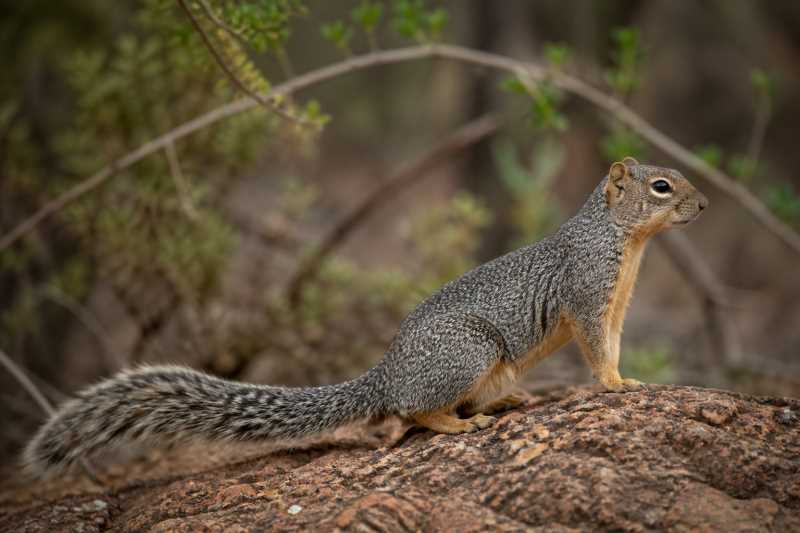
The Mexican Fox Squirrel is a medium to large-sized tree squirrel characterized by its striking appearance. It boasts a dense, bushy tail that often matches or exceeds the length of its body, providing balance and aiding in its arboreal lifestyle. The fur of the Mexican Fox Squirrel is typically a blend of grays and browns, with a distinct reddish hue on its back and flanks, which is particularly prominent in certain subspecies.
The underparts are usually lighter, ranging from a soft, creamy color to a pale gray. Its ears are tufted, and the eyes are large and expressive, adapted for its diurnal lifestyle. Adult Mexican Fox Squirrels can weigh between 500 to 900 grams, with some variations depending on their specific habitat and diet.
Range and Habitat
The Mexican Fox Squirrel is predominantly found in the Sierra Madre Occidental range in western Mexico, extending through the states of Sonora, Chihuahua, Durango, and Nayarit. This squirrel favors the mixed pine-oak forests that characterize much of this region, thriving in both the dense canopy and the forest floor.
These forests provide not only food but also a complex structure for nesting and protection from predators. The Mexican Fox Squirrel is highly adaptable and can be found at varying elevations, though it typically prefers mid-elevation zones where pine and oak species are abundant. Seasonal migrations within these forests are not uncommon, as squirrels seek out optimal food sources and nesting sites.
Behavior and Diet
The Mexican Fox Squirrel is diurnal, meaning it is most active during the day. It spends a significant portion of its time foraging for food, which primarily consists of seeds, nuts, fruits, and occasionally fungi. The squirrel plays a critical role in the dispersal of seeds, particularly those of pine and oak trees, aiding in forest regeneration.
Socially, the Mexican Fox Squirrel is relatively solitary, though it may be seen in groups during periods of abundant food. It communicates through a series of vocalizations and tail movements, especially when alarmed or during mating seasons.
Nesting occurs in tree cavities or in the forks of trees, where they construct nests using leaves and twigs. These nests provide shelter and a safe place for rearing young. The breeding season varies slightly depending on the geographical location but generally occurs in late winter to early spring.
Identification Tips (Field Recognition Cues)
Identifying the Mexican Fox Squirrel can be a rewarding experience for wildlife enthusiasts. Here are some key field recognition cues:
- Tail: Look for a long, bushy tail with distinct coloration. The tail is often a mix of browns and reds, with a frosted appearance due to the lighter tips of the fur.
- Fur Coloration: Note the reddish-brown hue on the back and flanks, contrasted with lighter underparts.
- Behavior: Observe their diurnal activity and preference for the canopy as well as forest floor.
- Vocalizations: Listen for characteristic calls, often sharp and repetitive, especially when the squirrel is alarmed.
- Habitat: Look for them in mixed pine-oak forests, particularly in mid-elevation zones within their geographic range.
Conservation Status (With Threats and Protections)
The conservation status of the Mexican Fox Squirrel is currently classified as Least Concern by the IUCN. However, this does not mean it is free from threats. Habitat loss due to logging, agriculture, and human encroachment poses significant challenges to its populations.
Conservation efforts are focused on habitat preservation and restoration. Protected areas within Mexico aim to safeguard critical habitats, ensuring that these forests continue to support diverse wildlife populations, including the Mexican Fox Squirrel. Public awareness and sustainable forestry practices are crucial to mitigating the impact of human activities on these ecosystems.
Frequently Asked Questions
1. What do Mexican Fox Squirrels eat?
Mexican Fox Squirrels primarily feed on seeds, nuts, fruits, and fungi. They play a crucial role in seed dispersal, particularly for pine and oak trees, which are vital components of their habitat.
2. Where can you find Mexican Fox Squirrels?
These squirrels are typically found in the Sierra Madre Occidental range in Mexico, thriving in mixed pine-oak forests across states like Sonora, Chihuahua, Durango, and Nayarit.
3. Are Mexican Fox Squirrels endangered?
Currently, Mexican Fox Squirrels are classified as Least Concern, but they face threats from habitat loss due to logging and agricultural expansion. Conservation efforts are ongoing to protect their habitats.
4. How do Mexican Fox Squirrels communicate?
Mexican Fox Squirrels communicate through vocalizations and tail movements. They have a range of calls used for alarms, mating, and territorial disputes.
5. What is the breeding season for Mexican Fox Squirrels?
The breeding season typically occurs in late winter to early spring, with slight variations depending on their specific geographic location.
Related posts