African Trident Bat (Triaenops afer): An In-depth Exploration
Introduction
The African Trident Bat, scientifically known as Triaenops afer, is a fascinating species of bat belonging to the family Hipposideridae. These small, insectivorous mammals are found across various regions of Africa, where they play a crucial role in maintaining the ecological balance by controlling insect populations. Despite their importance, the African Trident Bat remains relatively understudied, and there is much to learn about their behavior, ecology, and conservation needs.
In this comprehensive article, we will delve into the physical characteristics, range, habitat, behavior, diet, and conservation status of the African Trident Bat. We will also provide identification tips for enthusiasts and researchers interested in observing these elusive creatures in their natural habitat.
Physical Description
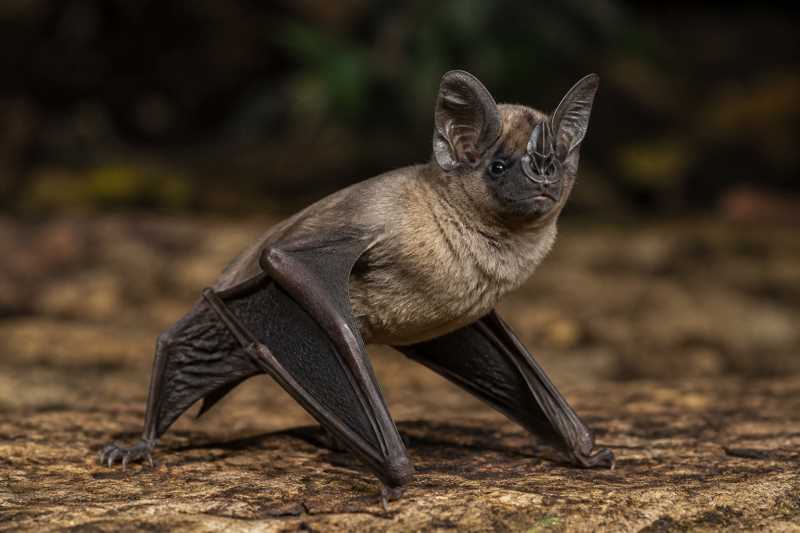
The African Trident Bat is a small to medium-sized bat characterized by its distinctive facial features and agile flight. The species gets its common name from the trident-shaped nose leaf that adorns its face, a unique adaptation that aids in echolocation.
Body Size and Shape
These bats typically measure between 9 to 13 centimeters in length, with a wingspan ranging from 30 to 34 centimeters. They possess a compact body and relatively short, broad wings that facilitate maneuverability during flight. Adult African Trident Bats weigh between 10 to 20 grams, with males generally being slightly larger than females.
Fur and Coloration
Their fur is soft and dense, providing insulation against temperature variations in their environment. The coloration of the fur can vary, but it is generally a mix of brown, gray, and reddish hues, which helps them blend into their surroundings during roosting periods.
Facial Features
The most striking feature of the African Trident Bat is its nose leaf, which is divided into three distinct lobes, resembling a trident. This structure is believed to enhance their ability to focus sound waves during echolocation, allowing them to accurately locate and capture prey in complete darkness.
Range and Habitat
Geographic Distribution
The African Trident Bat is distributed widely across Sub-Saharan Africa, including countries such as Kenya, Tanzania, Uganda, Malawi, and Zambia. They inhabit a range of environments, from savannas and woodlands to semi-arid regions and forests.
Preferred Habitats
These bats are highly adaptable and can be found roosting in various locations, including caves, rock crevices, old buildings, and tree hollows. They prefer habitats that provide both suitable roosting sites and ample food resources, such as insects.
Seasonal Movements
While the African Trident Bat is not known for long-distance migrations, they may exhibit local movements in response to seasonal changes in food availability and environmental conditions. During the wet season, they may move to areas with higher insect densities, returning to more sheltered roosting sites during the dry season.
Behavior and Diet
Nocturnal Activity
Like most bats, the African Trident Bat is nocturnal, emerging from its roost at dusk to forage for food. They are highly skilled aerial hunters, using echolocation to navigate and locate prey in the dark.
Echolocation Abilities
Echolocation is a key adaptation that allows these bats to thrive in their nocturnal niche. They emit high-frequency sound waves that bounce off objects and return to the bat’s ears, providing information about the size, shape, and distance of potential prey.
Diet and Foraging
The diet of the African Trident Bat consists primarily of insects, including moths, beetles, and flies. They are opportunistic feeders, taking advantage of the most abundant insect species available. Their agile flight and echolocation prowess enable them to capture prey mid-air with remarkable precision.
Social Behavior
African Trident Bats are generally solitary or found in small groups. While they do not form large colonies like some other bat species, they may share roosting sites with other bats or even other trident bat individuals. These bats communicate with each other using a series of vocalizations and scent markings.
Identification Tips
Identifying the African Trident Bat in the field can be challenging due to their nocturnal habits and elusive nature. However, there are several key features and behaviors that can aid in their recognition.
Field Recognition Cues
- Nose Leaf: The distinctive trident-shaped nose leaf is a primary identifying feature. Look for the three-lobed structure on the bat’s face.
- Flight Pattern: Observe the bat’s flight pattern; they exhibit agile and erratic movements, typical of insectivorous bats using echolocation.
- Roosting Sites: Check potential roosting sites such as caves, tree hollows, and old buildings, especially in regions known for their presence.
- Vocalizations: Listen for high-pitched echolocation calls during foraging periods, which can be detected with specialized bat detectors.
Conservation Status
Current Status
The African Trident Bat is currently listed as Least Concern on the IUCN Red List of Threatened Species. However, this status does not imply that the species is free from threats.
Threats
Habitat loss and degradation due to agricultural expansion, deforestation, and urbanization are significant threats to the African Trident Bat. Additionally, their roosting sites are often disturbed by human activities, and they may be targeted in pest control efforts due to misconceptions about bats.
Protections and Conservation Efforts
Conservation efforts for the African Trident Bat focus on habitat preservation and public education. Protecting roosting sites and maintaining healthy ecosystems are crucial for their survival. Education campaigns aim to dispel myths about bats and highlight their ecological importance.
Frequently Asked Questions
What is the primary diet of the African Trident Bat?
The African Trident Bat primarily feeds on insects, including moths, beetles, and flies. They are adept hunters, using echolocation to capture prey mid-air.
Where can African Trident Bats be found?
These bats are distributed across Sub-Saharan Africa, inhabiting savannas, woodlands, forests, and semi-arid regions. They roost in caves, tree hollows, and old buildings.
How do African Trident Bats use echolocation?
African Trident Bats emit high-frequency sound waves that bounce off objects and return to them. This process helps them navigate and locate prey in complete darkness with precision.
Are African Trident Bats endangered?
Currently, the African Trident Bat is listed as Least Concern on the IUCN Red List. However, habitat loss and human disturbances pose ongoing threats to their populations.
How can one identify an African Trident Bat in the field?
Key identification features include the trident-shaped nose leaf, agile flight patterns, and high-pitched vocalizations. Observing potential roosting sites can also aid in identification.
Related posts