Introduction
The Silver Mountain Vole, scientifically known as Alticola argentatus, is a fascinating small mammal that captures the interest of biologists and wildlife enthusiasts alike. This elusive creature is part of the family Cricetidae, a group known for its diverse and robust range of voles. Despite their seemingly modest appearance, Silver Mountain Voles play a crucial role in their ecosystem, serving as both prey and a consumer of vegetation. This article will delve into the specifics of their physical characteristics, habitat preferences, behaviors, and the current conservation status.
Physical Description
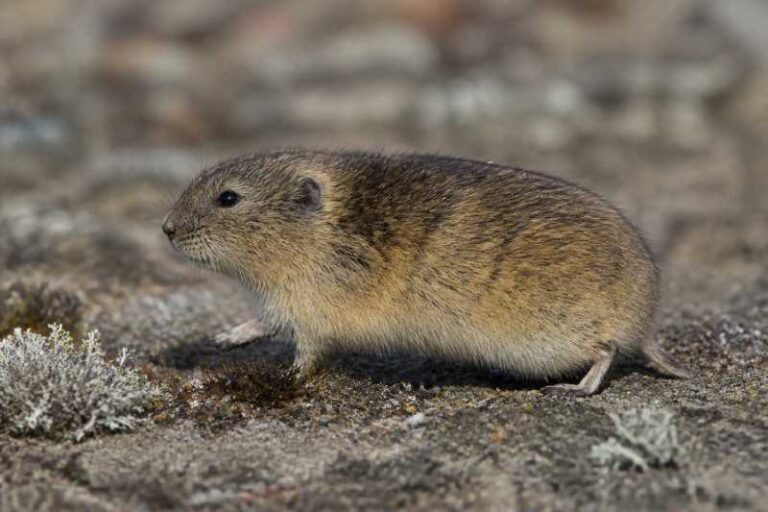
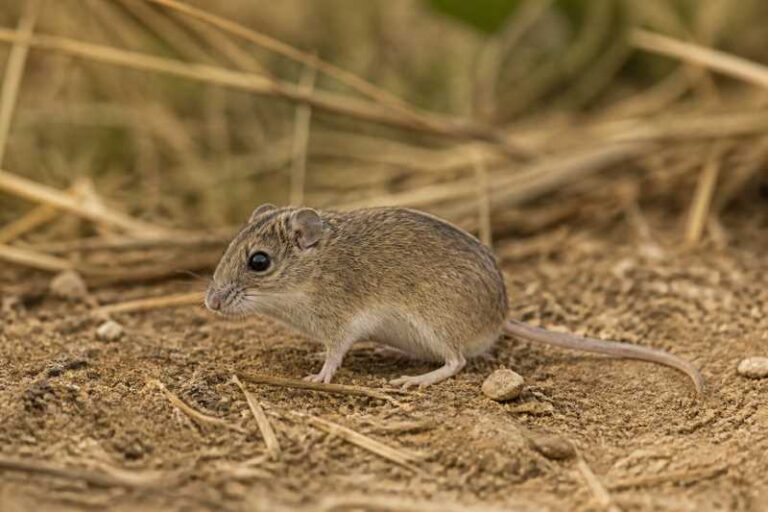
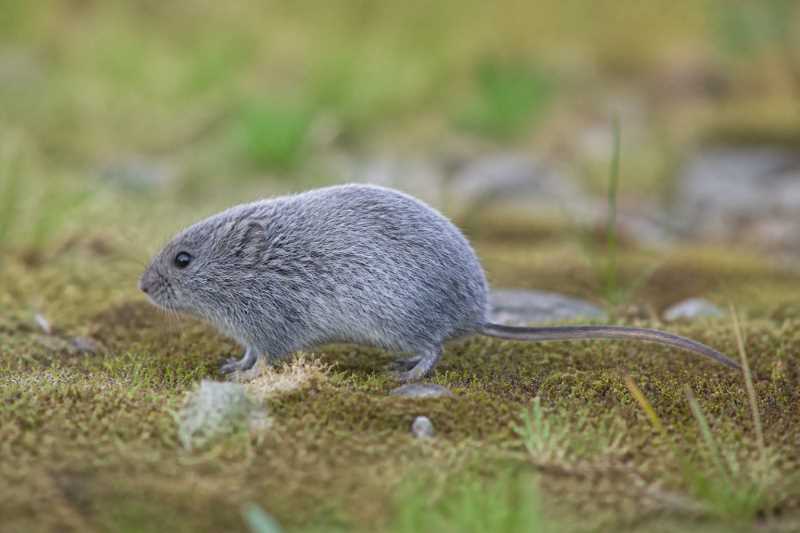
The Silver Mountain Vole is distinguished by its sleek, silvery-gray fur that provides excellent camouflage against the rocky, mountainous terrain it inhabits. This vole species is relatively small, with an average body length of 10 to 12 centimeters and a tail that extends an additional 3 to 5 centimeters. Weighing between 30 to 50 grams, the Silver Mountain Vole is well-adapted to its environment with short limbs and a compact body that aid in its burrowing lifestyle. Its ears are small and rounded, while its eyes are beady and black, adapted to its crepuscular lifestyle.
Range and Habitat
The Silver Mountain Vole is predominantly found in the mountainous regions of Central Asia, including parts of Mongolia, China, and Russia. These voles thrive in alpine and subalpine zones, typically at elevations ranging from 1,500 to 4,000 meters. They prefer areas with abundant rock cover and sparse vegetation, which provide both shelter and food resources. Their habitat is characterized by cold temperatures and a short growing season, which influences their dietary and reproductive strategies.
Behavior and Diet
Silver Mountain Voles are primarily herbivorous, feeding on a diet composed of grasses, seeds, and occasionally roots and tubers. Their foraging habits are influenced by the seasonal availability of food, with a significant portion of their diet being stored for the harsh winter months. These voles are known for their meticulous burrowing, creating extensive networks of tunnels and chambers that serve as protection from predators and harsh weather conditions.
Behaviorally, the Silver Mountain Vole is crepuscular, most active during the dawn and dusk hours. This activity pattern helps them avoid the heat of the day and predators. They are social animals, often living in small colonies that function cooperatively to maintain their burrow systems and care for the young.
Identification Tips (Field Recognition Cues)
Identifying the Silver Mountain Vole in the field can be challenging due to its elusive nature and the similarity it shares with other vole species in its range. Key identification cues include:
- Fur Coloration: Look for the distinctive silvery-gray fur.
- Size and Shape: Small size with a compact body and short limbs.
- Habitat: Presence in high-altitude rocky terrains.
- Burrowing Activity: Look for signs of burrow entrances and freshly dug soil in alpine areas.
Conservation Status (With Threats and Protections)
Currently, the Silver Mountain Vole is classified as a species of Least Concern by the International Union for Conservation of Nature (IUCN). However, like many alpine species, it faces potential threats from climate change, which could alter its habitat and food availability. Additionally, human activities such as mining and tourism can disrupt their habitat.
Conservation efforts for the Silver Mountain Vole primarily focus on habitat preservation and monitoring population trends. Protected areas and national parks in regions where these voles are found contribute to their continued survival by maintaining the ecological integrity of their habitats.
Frequently Asked Questions
Why is this species unique?
The Silver Mountain Vole is unique due to its specialized adaptations to alpine environments, including its silvery fur that blends seamlessly with its rocky surroundings and its ability to survive in high-altitude, low-temperature habitats.
How does climate change affect the Silver Mountain Vole?
Climate change poses a significant threat to the Silver Mountain Vole by potentially altering the alpine ecosystems it depends on. Changes in temperature and precipitation can affect food availability and habitat conditions, posing challenges to their survival.
What role does the Silver Mountain Vole play in its ecosystem?
As both a consumer of vegetation and prey for predators, the Silver Mountain Vole plays a crucial role in its ecosystem. It helps in seed dispersion and serves as a food source for carnivorous animals, thus maintaining ecological balance.
Are there any conservation programs focused on this species?
While there are no specific conservation programs targeting the Silver Mountain Vole, its habitat is often protected within national parks and reserves. Monitoring programs are also in place to track population changes and address potential threats.
Related posts