Pantanal Punare: An In-Depth Look at Thrichomys pachyurus
Introduction
The Pantanal Punare, scientifically known as Thrichomys pachyurus, is a small rodent species native to South America. Known for its distinctive features and unique adaptations, the Pantanal Punare plays a significant role in its ecosystem. This article delves into various aspects of this remarkable mammal, from its physical characteristics to its conservation status.
Physical Description
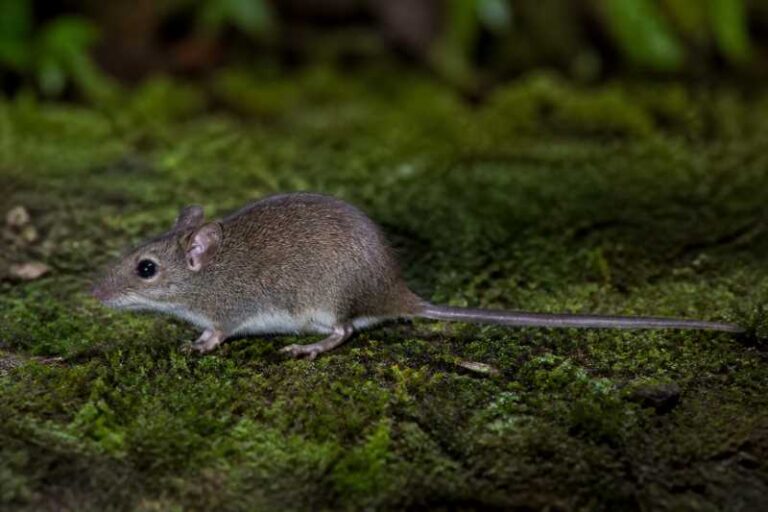
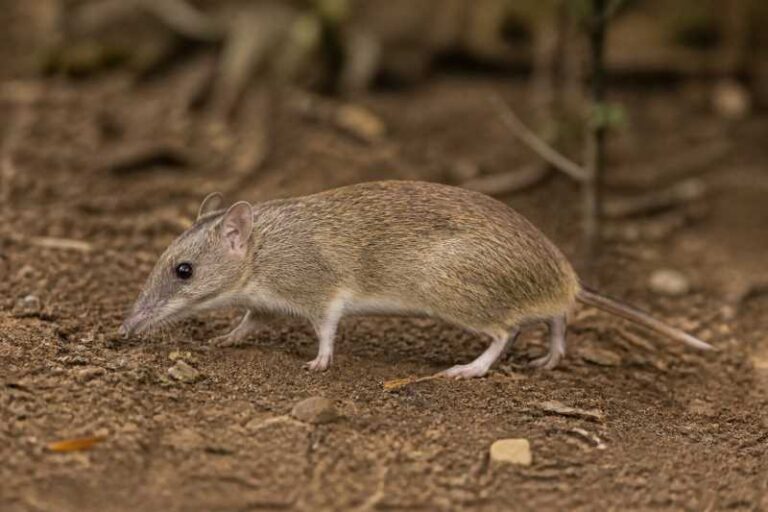
The Pantanal Punare is a medium-sized rodent with a robust build. It typically weighs between 200 to 300 grams and measures approximately 20 to 25 centimeters in body length, excluding the tail, which adds an additional 15 to 20 centimeters. The fur of the Pantanal Punare is dense and coarse, primarily greyish-brown, providing excellent camouflage in its natural habitat. Its underbelly is usually lighter, often a whitish or pale grey hue. One of the most distinctive physical traits of Thrichomys pachyurus is its long, bushy tail, which is not only an aesthetic feature but also plays a critical role in maintaining balance and communication among individuals.
Range and Habitat
The Pantanal Punare is indigenous to the Pantanal region, a vast tropical wetland area located primarily in Brazil, with parts extending into Bolivia and Paraguay. This region is known for its seasonal flooding, which creates a diverse mosaic of habitats, including forests, savannas, and marshlands. Thrichomys pachyurus thrives in these varied environments, particularly favoring areas with dense vegetation that provide ample cover and food resources. The adaptability of the Pantanal Punare to both terrestrial and arboreal habitats allows it to exploit a wide range of ecological niches.
Behavior and Diet
The Pantanal Punare is predominantly nocturnal, spending the night foraging for food and the day resting in burrows or nests constructed from leaves and twigs. Its diet is primarily herbivorous, consisting of fruits, seeds, leaves, and occasionally small invertebrates. This diet not only provides the necessary nutrients for survival but also plays a vital role in seed dispersal, contributing to the ecological health of its habitat.
Socially, Pantanal Punares are relatively solitary, but they exhibit complex behaviors when interacting with others of their species. Communication is facilitated through a combination of vocalizations, scent markings, and tail movements. These communication methods are crucial for establishing territories and avoiding conflicts with conspecifics.
Identification Tips
Identifying the Pantanal Punare in the field requires attention to several key characteristics. Firstly, observe the size and coloration: medium-sized with a greyish-brown coat and a lighter underbelly. The long, bushy tail is another prominent feature that distinguishes it from other rodent species. Additionally, their preference for dense vegetation and nocturnal activity patterns are helpful cues for identifying their presence in the wild. Listening for their soft vocalizations during night excursions can also aid in locating these elusive mammals.
Conservation Status
Currently, the Pantanal Punare is not listed as endangered; however, it faces several threats that could impact its long-term survival. Habitat destruction due to agricultural expansion, deforestation, and infrastructure development poses significant risks to its habitat. Moreover, climate change and the resultant alterations in the flooding patterns of the Pantanal region could further threaten its habitat.
Conservation efforts are critical to preserving the Pantanal Punare’s natural environment. Protected areas within the Pantanal region serve as vital refuges for this and other species. Additionally, ongoing research and monitoring programs aim to gather data on population trends and ecological needs, informing conservation strategies.
Frequently Asked Questions
1. What is the Pantanal Punare’s role in its ecosystem?
The Pantanal Punare is a key seed disperser in its ecosystem. By consuming fruits and seeds, and subsequently excreting them in different locations, it helps maintain plant diversity and forest regeneration.
2. How does the Pantanal Punare adapt to seasonal changes in the Pantanal?
The Pantanal Punare exhibits remarkable adaptability to seasonal changes, altering its diet based on available resources and using its burrowing abilities to escape flooding during the wet season.
3. What are the main threats to the Pantanal Punare?
The primary threats include habitat destruction due to human activities, climate change affecting the Pantanal’s natural flooding cycles, and potential predation by invasive species.
4. Are Pantanal Punares social animals?
Pantanal Punares are relatively solitary, but they engage in social behaviors for communication and territory establishment. Their interactions are typically limited to mating and territorial disputes.
5. How can conservation efforts help protect the Pantanal Punare?
Conservation efforts focus on preserving and restoring its habitat, establishing protected areas, and conducting research to better understand its ecological role and adapt to changing environmental conditions.
Related posts