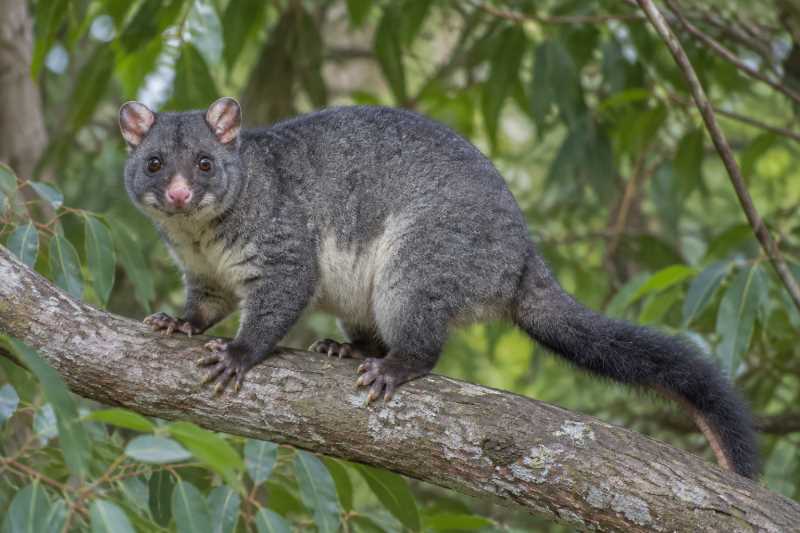
Short-eared Brush-tailed Possum (Trichosurus caninus)
Introduction
The Short-eared Brush-tailed Possum, scientifically known as Trichosurus caninus, is a fascinating marsupial native to Australia. Known for its unique adaptations and ecological importance, this species plays a vital role in its habitat. Despite their adaptability, these possums face significant challenges due to habitat loss and other environmental pressures. This article delves into the various aspects of the Short-eared Brush-tailed Possum, providing a comprehensive overview of its physical characteristics, habitat, behavior, and conservation status.
Physical Description
The Short-eared Brush-tailed Possum is a medium-sized marsupial characterized by its dense fur and distinctive tail. Adult possums typically weigh between 1.2 and 4.5 kilograms, with males generally larger than females. Their fur is usually a mottled gray, providing excellent camouflage against predators. The species is distinguished by its relatively short ears and a bushy tail, which aids in balance and agility as they navigate the forest canopy. Their prehensile tail is a crucial adaptation, allowing them to grasp branches and stabilize themselves while foraging.
Range and Habitat
The Short-eared Brush-tailed Possum is predominantly found in the eastern parts of Australia, particularly in New South Wales and Queensland. These possums inhabit a range of forest types, including rainforests, eucalypt woodlands, and temperate forests. They are arboreal creatures, spending most of their lives in the trees, where they find food and shelter. The availability of suitable tree hollows is essential for their nesting and breeding, as these possums are nocturnal and require safe, dark spaces to rest during the day.
Behavior and Diet
As nocturnal animals, Short-eared Brush-tailed Possums are most active during the night, foraging for food and socializing with other possums. They are primarily folivorous, feeding on leaves, fruits, and flowers, although their diet may vary depending on the availability of resources. These possums are solitary, with individuals maintaining territories that they mark with scent glands. Communication among possums involves vocalizations, scent marking, and physical displays. Breeding occurs throughout the year, with females giving birth to a single joey after a gestation period of about 16 to 18 days. The joey remains in the mother’s pouch for several months before venturing out.
Identification Tips
Identifying the Short-eared Brush-tailed Possum can be challenging due to its nocturnal nature and arboreal habits. However, there are several field recognition cues that can aid in identification:
- Size and Build: Look for a medium-sized possum with a robust build and a bushy tail.
- Fur Color: Note the mottled gray fur, which provides camouflage against tree bark.
- Ear Shape: Observe the relatively short ears, which differ from other possum species with longer ears.
- Tail: The prehensile tail with a bushy end is a key distinguishing feature.
- Behavior: Listen for their distinct calls at night and watch for movement in the canopy, especially around fruiting trees.
Conservation Status
The conservation status of the Short-eared Brush-tailed Possum is currently listed as Least Concern by the IUCN. However, like many Australian marsupials, they face several threats that could impact their populations if not addressed. The primary threats include habitat destruction due to land clearing for agriculture and urban development, as well as predation by introduced species such as foxes and feral cats. Conservation efforts focus on habitat protection, predator control, and public education to raise awareness about the species’ ecological importance. Legal protections are in place in Australia to safeguard their habitats and regulate activities that may harm them.
Frequently Asked Questions
What is the habitat of the Short-eared Brush-tailed Possum?
The Short-eared Brush-tailed Possum inhabits a variety of forest types, including rainforests, eucalypt woodlands, and temperate forests in eastern Australia. They are arboreal, relying on tree hollows for nesting and shelter.
How do Short-eared Brush-tailed Possums communicate?
These possums communicate through vocalizations, scent marking, and physical displays. They use their scent glands to mark territories and signal to other possums, while vocalizations can indicate distress or alert others to their presence.
What threats do Short-eared Brush-tailed Possums face?
The primary threats to these possums include habitat destruction due to land clearing and urban development, as well as predation by introduced species like foxes and feral cats. Conservation efforts aim to mitigate these threats through habitat protection and predator control.
Related posts