Introduction
The Western Tree Hyrax, scientifically known as Dendrohyrax dorsalis, is a lesser-known mammal native to the forests of West and Central Africa. Despite its inconspicuous nature, this species plays a crucial role in its ecosystem, acting as both prey and seed dispersers. This article delves into the unique characteristics, habitat, behavior, and conservation status of the Western Tree Hyrax, providing comprehensive insights for wildlife enthusiasts and researchers alike.
Physical Description
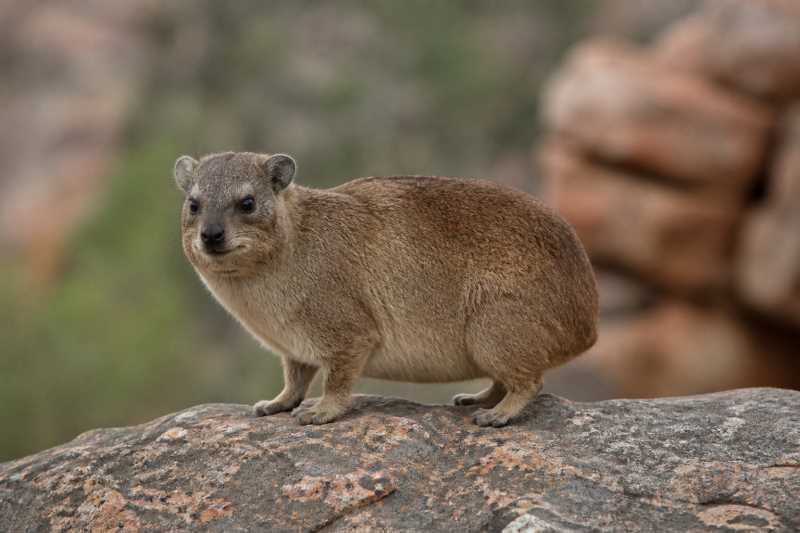
Western Tree Hyraxes are small, herbivorous mammals that bear a superficial resemblance to rodents. They are, however, more closely related to elephants and manatees. Adult Western Tree Hyraxes generally weigh between 2 to 5 kilograms and measure approximately 40 to 70 centimeters in length. They possess a robust, stocky build with short, dense fur that varies in color from dark brown to light gray, offering excellent camouflage in their arboreal habitats.
One of the most distinguishing features of the Western Tree Hyrax is its unique dorsal gland, which is surrounded by a patch of differently colored fur. This gland is used for territorial marking. The species has short, rounded ears and a short tail, with strong, clawed feet adapted for climbing.
Range and Habitat
Western Tree Hyraxes inhabit the tropical and subtropical forests of West and Central Africa. Their range extends from Sierra Leone in the west to Uganda in the east, covering countries such as Liberia, Ghana, Nigeria, and Cameroon.
These mammals are predominantly arboreal, residing in dense forest canopies where they find safety from ground predators. They can also be found in montane forests, swamps, and occasionally in savanna regions where trees are abundant. The presence of suitable trees for climbing and resting is crucial for their survival.
Behavior and Diet
Western Tree Hyraxes are primarily nocturnal, emerging from their tree hollows or nests to forage for food under the cover of darkness. Their diet consists mainly of leaves, bark, twigs, and fruits. They have a unique digestive system that allows them to extract nutrients from fibrous plant material efficiently.
Socially, Western Tree Hyraxes are relatively solitary creatures, though they can sometimes be found in small family groups. Communication among hyraxes involves a series of vocalizations, with loud, distinctive calls used to establish territory and attract mates.
Identification Tips (Field Recognition Cues)
Identifying Western Tree Hyraxes involves observing several key characteristics:
- Size and Shape: Look for a small, stout body resembling a rodent but with more robust features.
- Fur and Coloration: Note the dense fur that ranges from dark brown to light gray, providing camouflage in forested areas.
- Dorsal Gland: A distinguishing patch of fur on the back surrounding a scent gland.
- Behavior: Listen for their distinct vocalizations at night, which are loud and varied.
- Feet and Movement: Observe their strong, clawed feet and adept climbing skills.
Conservation Status (With Threats and Protections)
The conservation status of the Western Tree Hyrax is currently listed as Least Concern by the International Union for Conservation of Nature (IUCN). However, their populations are experiencing pressures from habitat destruction and hunting. Deforestation for agriculture and logging is the primary threat, leading to significant habitat loss.
Efforts to protect Western Tree Hyraxes include the establishment of protected areas and national parks that safeguard their natural habitats. Conservationists are also working to raise awareness about the ecological role of hyraxes and the importance of preserving forest ecosystems.
Frequently Asked Questions
1. What is the lifespan of a Western Tree Hyrax?
Western Tree Hyraxes can live up to 10 years in the wild. In captivity, with proper care and a controlled environment, their lifespan may extend slightly longer.
2. How do Western Tree Hyraxes communicate?
Communication among hyraxes involves a range of vocalizations, including grunts, squeals, and whistles. These sounds are used to establish territory, warn of danger, and attract mates.
3. Are Western Tree Hyraxes endangered?
While currently listed as Least Concern, Western Tree Hyraxes face threats from habitat destruction and hunting. Conservation efforts are crucial to their continued survival.
4. What role do Western Tree Hyraxes play in the ecosystem?
Western Tree Hyraxes contribute to their ecosystem by dispersing seeds through their droppings, aiding in forest regeneration. They also serve as prey for larger predators, maintaining the ecological balance.
5. Can Western Tree Hyraxes be kept as pets?
It is not advisable to keep Western Tree Hyraxes as pets. They have specific habitat and dietary needs that are challenging to meet in captivity, and they are best appreciated in their natural environment.
Related posts