Introduction
The Geata Mouse Shrew, scientifically known as Myosorex geata, is a small mammal species belonging to the Soricidae family. This elusive creature is often mistaken for a mouse due to its size and appearance, yet it holds a distinct position within the shrew family. Found predominantly in specific regions of Africa, the Geata Mouse Shrew is a subject of interest for many researchers due to its unique adaptations and ecological significance. This article delves into the various aspects of the Geata Mouse Shrew, from its physical attributes to its conservation status, providing a comprehensive understanding of this fascinating species.
Physical Description
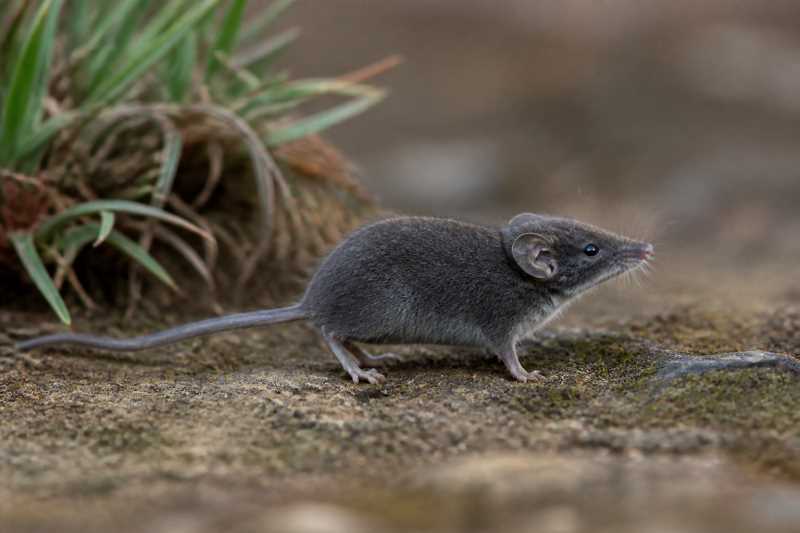
The Geata Mouse Shrew is characterized by its diminutive size and mouse-like appearance. Typically, adults measure between 7 to 10 centimeters in length, excluding the tail, which adds an additional 4 to 6 centimeters. Weighing in at around 10 to 20 grams, these creatures are lightweight, enabling agility and swift movement through their environment.
Their fur is generally a mix of dark brown and gray, providing excellent camouflage in their natural habitat. The underbelly often features a lighter hue, ranging from pale gray to cream. Their pointed snout and small, beady eyes are distinctive features that aid in foraging and navigation. Despite their small size, the Geata Mouse Shrew possesses sharp, needle-like teeth, ideal for their insectivorous diet.
Range and Habitat
The Geata Mouse Shrew is predominantly found in sub-Saharan Africa, with its range extending across countries such as South Africa, Eswatini, and parts of Mozambique. They thrive in various habitats, including grasslands, forest edges, and areas with dense underbrush. Their preference for moist environments often leads them to inhabit regions near streams and wetlands, where insect prey is abundant.
These shrews are highly adaptable, capable of surviving in both natural and semi-urban environments. However, they require a habitat that offers ample cover and food resources, making undisturbed areas of vegetation crucial for their survival.
Behavior and Diet
The Geata Mouse Shrew is primarily nocturnal, emerging from its burrow to forage during the night. Their activity peaks in the early hours of the evening and just before dawn. Solitary by nature, these shrews are territorial and often engage in aggressive behaviors to defend their feeding grounds.
Their diet primarily consists of insects and other small invertebrates, such as worms and spiders. The shrew’s keen sense of smell helps it locate prey in the dark, while its quick reflexes ensure successful hunting. Occasionally, they may also consume plant material, but this is a minor component of their diet.
Identification Tips (Field Recognition Cues)
Identifying the Geata Mouse Shrew in the field requires keen observation of several key features:
- Size and Shape: Look for a small, mouse-like creature with a relatively long tail compared to its body size.
- Coloration: Note the dark brown and gray fur with a paler underside.
- Behavior: Observe nocturnal activity and rapid, darting movements.
- Habitat: Check for presence in humid, dense vegetation near water sources.
- Sound: Listen for high-pitched squeaks, often heard during feeding or when startled.
Conservation Status (with Threats and Protections)
The Geata Mouse Shrew is currently listed as Least Concern on the IUCN Red List. While its population is considered stable, there are potential threats that could impact its future survival.
Threats:
- Habitat Destruction: Urban expansion and agricultural activities reduce suitable habitats.
- Pollution: Pesticides and chemicals can poison the shrew’s food sources.
- Climate Change: Altered weather patterns may affect habitat availability and prey abundance.
Protections:
- Protected Areas: Some habitats fall within national parks and reserves, offering a degree of protection.
- Research and Monitoring: Ongoing studies help monitor population trends and ecological needs.
- Community Initiatives: Local conservation programs promote habitat restoration and awareness.
Frequently Asked Questions
What is the lifespan of a Geata Mouse Shrew? The average lifespan of a Geata Mouse Shrew in the wild is about 1 to 2 years. Factors such as predation and environmental conditions can influence their longevity.
Are Geata Mouse Shrews endangered? Currently, Geata Mouse Shrews are not endangered. They are classified as Least Concern, but habitat destruction and other threats necessitate ongoing conservation efforts.
How do Geata Mouse Shrews communicate? Geata Mouse Shrews use high-pitched vocalizations to communicate, primarily during mating or when threatened. They also rely on scent markings to establish territory.
What adaptations help Geata Mouse Shrews survive? Their nocturnal nature, acute sense of smell, and rapid movements are key adaptations that aid in their survival, allowing them to effectively locate prey and avoid predators.
How can I help protect the Geata Mouse Shrew? Supporting conservation organizations, promoting habitat protection, and reducing pesticide use in agricultural areas can all contribute to the protection of Geata Mouse Shrews.
Related posts