Introduction
The Galungla Mountain Pika (Ochotona galunglaensis) is a remarkable mammal species, belonging to the family Ochotonidae. These small, herbivorous mammals are closely related to rabbits and hares, and are known for their distinctive whistling calls. The Galungla Mountain Pika is an endemic species found in the high-altitude regions of the Himalayas, specifically in the Galungla Mountains. This article delves into the unique features and ecological significance of this elusive mammal, providing detailed insights into its physical characteristics, habitat, behavior, and conservation status.
Physical Description
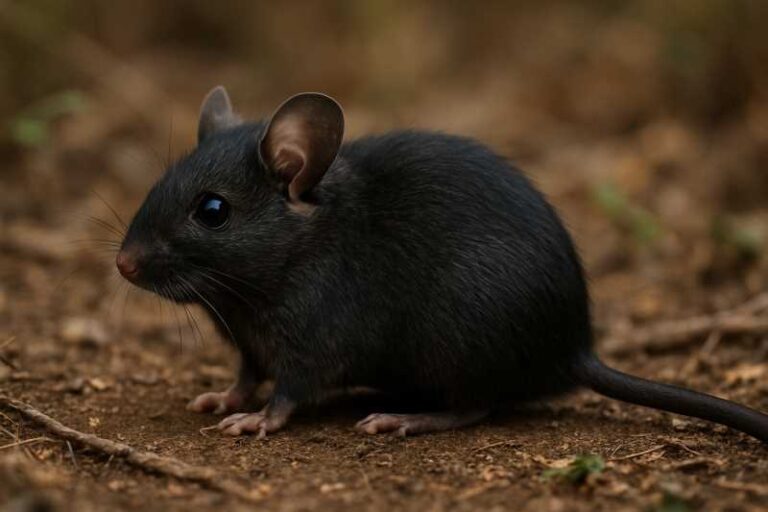
The Galungla Mountain Pika is a small mammal, typically measuring between 15 to 20 centimeters in length, with a weight ranging from 100 to 150 grams. They possess a compact, rounded body covered with dense, soft fur that is predominantly gray-brown, which provides camouflage against the rocky mountain landscapes they inhabit. Unlike rabbits, pikas have short, rounded ears and lack visible tails, characteristics that help them conserve heat in their cold alpine environment.
Their limbs are short and sturdy, adapted for a life spent mostly in rocky crevices and steep slopes. The Galungla Mountain Pika has sharp claws that aid in digging and climbing, essential for evading predators and searching for food. Their distinctive high-pitched call is produced by a specialized laryngeal structure, allowing them to communicate effectively with each other across vast distances in their mountainous habitat.
Range and Habitat
The Galungla Mountain Pika is primarily found in the eastern Himalayas, with their range extending across the Galungla Mountains. These pikas inhabit elevations ranging from 3,000 to 5,000 meters, where they occupy rocky slopes, alpine meadows, and scree fields. Their habitat is characterized by harsh climatic conditions, with cold temperatures, strong winds, and seasonal snow cover.
These high-altitude environments are rich in biodiversity, and the Galungla Mountain Pika plays a crucial role in the ecosystem. They are known to create extensive burrow systems, which provide shelter for other small mammals and insects. The presence of pikas also indicates healthy alpine ecosystems, as they are sensitive to environmental changes and can serve as bioindicators.
Behavior and Diet
The Galungla Mountain Pika is a diurnal species, meaning they are active during the day. They are highly social animals, often seen in groups, and communicate with each other using vocalizations and scent markings. Their vocalizations are particularly important for alerting other pikas to the presence of predators, such as birds of prey and carnivorous mammals.
Pikas are herbivores, feeding primarily on a variety of alpine plants, including grasses, sedges, and flowering herbs. During the warmer months, they gather and store food in the form of haypiles, which are consumed during the harsh winter months when food is scarce. This behavior is known as "haying" and is crucial for their survival in the extreme alpine conditions.
Identification Tips (field recognition cues)
Identifying the Galungla Mountain Pika in the field can be challenging due to their elusive nature and the rugged terrain they inhabit. However, several key characteristics can aid in their identification:
- Size and Shape: Look for small, rounded mammals with short ears and no visible tail, typical of pikas.
- Fur Color: Their gray-brown fur blends well with rocky backgrounds, but a closer look can reveal their distinctive color pattern.
- Vocalizations: Listen for their high-pitched whistles, often used to communicate or signal alarm.
- Habitat: They are typically found in rocky slopes and alpine meadows at high elevations.
- Behavior: Observe their social behavior and movements, often seen scurrying among rocks or making haypiles.
Conservation Status (with threats and protections)
The conservation status of the Galungla Mountain Pika is currently listed as "Near Threatened" by the International Union for Conservation of Nature (IUCN). While not immediately endangered, they face several threats that could impact their populations in the future.
Threats
- Climate Change: Rising temperatures and changing precipitation patterns threaten their alpine habitat, leading to habitat loss and reduced food availability.
- Human Activities: Expansion of agriculture and tourism in the Himalayan region can lead to habitat degradation and increased human-wildlife conflict.
- Predation: Natural predators, such as birds of prey and carnivorous mammals, pose a constant threat to their survival.
Protections
Efforts are being made to conserve the Galungla Mountain Pika and their habitat. Conservation initiatives focus on:
- Protected Areas: Establishing and maintaining protected areas to safeguard their natural habitat.
- Research and Monitoring: Conducting research to better understand their ecology and monitor population trends.
- Community Engagement: Involving local communities in conservation efforts to promote sustainable practices and reduce human-wildlife conflict.
Frequently Asked Questions
What is the habitat of the Galungla Mountain Pika?
The Galungla Mountain Pika inhabits the high-altitude regions of the eastern Himalayas, specifically in the Galungla Mountains. They are found in rocky slopes, alpine meadows, and scree fields at elevations ranging from 3,000 to 5,000 meters.
How does climate change affect the Galungla Mountain Pika?
Climate change poses a significant threat to the Galungla Mountain Pika by altering their alpine habitat. Rising temperatures and changing precipitation patterns can lead to habitat loss, reduced food availability, and increased competition for resources.
What do Galungla Mountain Pikas eat?
Galungla Mountain Pikas are herbivores, primarily feeding on alpine plants such as grasses, sedges, and flowering herbs. They gather and store food in the form of haypiles during the warmer months to sustain themselves during winter.
How do Galungla Mountain Pikas communicate?
Galungla Mountain Pikas communicate using high-pitched whistles and scent markings. Their vocalizations are important for social interactions and alerting other pikas to the presence of predators.
Are Galungla Mountain Pikas endangered?
The Galungla Mountain Pika is currently listed as "Near Threatened" by the IUCN. While not immediately endangered, they face threats from climate change, human activities, and natural predators, which could impact their populations in the future.
Related posts