Introduction
The Salta Chinchilla Rat, scientifically known as Euneomys fossor, is a fascinating rodent species that inhabits the Andean regions of South America. This small mammal is part of the Cricetidae family, which also includes voles, lemmings, and New World rats and mice. Known for its unique adaptations to high-altitude environments, the Salta Chinchilla Rat is a subject of interest for researchers studying ecological adaptations and evolutionary biology. Despite its intriguing characteristics, this species remains relatively understudied compared to other more prominent rodents.
Physical Description
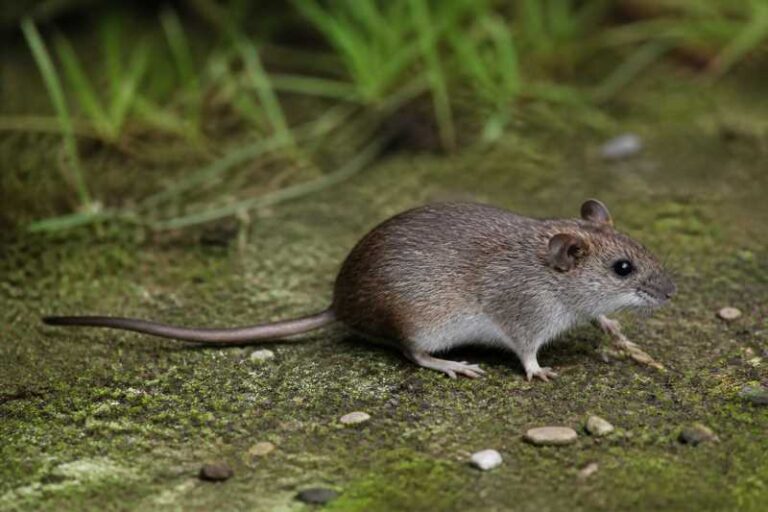
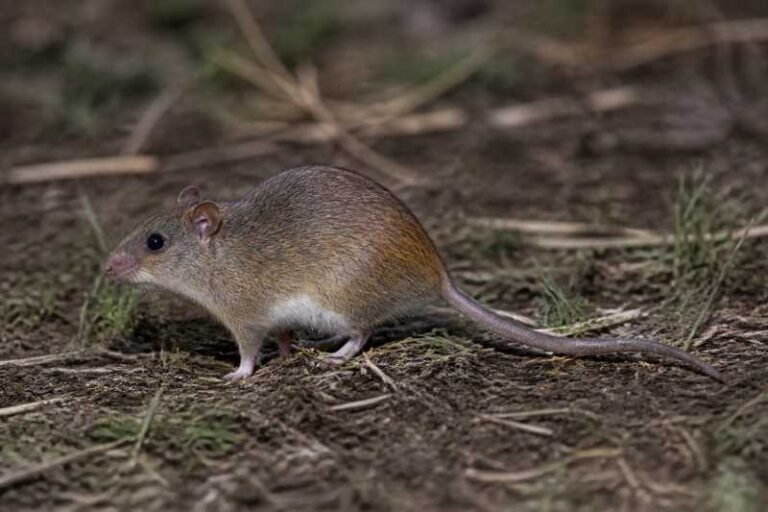
The Salta Chinchilla Rat is a medium-sized rodent with an average body length of 15 to 20 centimeters, excluding the tail, which can add an additional 10 to 15 centimeters. Its fur is dense and soft, primarily exhibiting a grayish-brown coloration that provides excellent camouflage against the rocky and arid landscapes of its habitat. The underbelly is typically lighter, often a soft beige or pale gray.
The species has a robust body with short limbs, adapted for maneuvering through rocky terrains. Its ears are relatively small and rounded, while the eyes are large and adapted for low-light conditions, aiding in its nocturnal lifestyle. The Salta Chinchilla Rat’s incisors are sharp and continuously growing, an adaptation that allows it to gnaw on tough plant material and dig through soil.
Range and Habitat
The Salta Chinchilla Rat is primarily found in the high-altitude regions of the Andes Mountains, particularly in Argentina and Chile. It inhabits altitudes ranging from 2,000 to 4,000 meters above sea level, where the environment is characterized by rocky outcrops, sparse vegetation, and significant temperature fluctuations between day and night.
This species prefers habitats with ample rock cover, which provides shelter from predators and harsh weather conditions. The terrain is often arid, with limited water sources. As such, the Salta Chinchilla Rat has developed several physiological adaptations to conserve water and thrive in these challenging conditions.
Behavior and Diet
The Salta Chinchilla Rat is primarily nocturnal, emerging from its rocky shelters at dusk to forage for food. Its diet consists mainly of grasses, seeds, and other plant materials. Due to the limited availability of food in its high-altitude habitat, the species is an opportunistic feeder, sometimes consuming insects and other small invertebrates when plant resources are scarce.
Socially, the Salta Chinchilla Rat is known to be somewhat solitary, although it may form small colonies or family groups in areas where food resources are abundant. Communication among individuals is facilitated through a series of vocalizations and scent markings, which help establish territory and mating rights.
Identification Tips (Field Recognition Cues)
Field identification of the Salta Chinchilla Rat can be challenging due to its elusive nature and resemblance to other rodent species. However, several key characteristics can aid in its identification:
- Fur and Coloration: Look for the dense, soft fur with a grayish-brown color and lighter underbelly.
- Size and Build: Note the medium size, robust body, and relatively short limbs.
- Tail: The tail is long, covered in fur, and helps with balance during movement across rocky terrains.
- Habitat: The presence in high-altitude, rocky environments is a strong indicator.
- Behavior: Observing nocturnal activity patterns and foraging behavior can also assist in identification.
Conservation Status (with Threats and Protections)
Currently, the conservation status of the Salta Chinchilla Rat is not well-documented, primarily due to the lack of comprehensive studies on its population dynamics. However, like many species inhabiting specialized niches, it is potentially vulnerable to several threats:
- Habitat Destruction: Mining activities, agriculture, and urban development in the Andes pose significant threats to its natural habitat.
- Climate Change: Alterations in temperature and precipitation patterns can impact the availability of food and water resources.
- Predation: The introduction of non-native predators, such as domestic cats, can increase predation pressures.
Conservation efforts for the Salta Chinchilla Rat should focus on habitat protection and the establishment of protected areas to safeguard its environment. More research is needed to fully understand its ecological role and inform conservation strategies.
Frequently Asked Questions
What does the Salta Chinchilla Rat eat in the wild?
The Salta Chinchilla Rat primarily feeds on grasses, seeds, and plant materials. It may also consume insects and small invertebrates when plant food is scarce.
How does the Salta Chinchilla Rat adapt to high-altitude environments?
This species has adapted to high-altitude environments through physiological mechanisms that conserve water and energy, as well as behavioral adaptations like nocturnal activity to avoid temperature extremes.
Where can you find the Salta Chinchilla Rat?
The Salta Chinchilla Rat is found in the Andes Mountains, particularly in Argentina and Chile, at altitudes of 2,000 to 4,000 meters.
Is the Salta Chinchilla Rat endangered?
The conservation status of the Salta Chinchilla Rat is not well-documented; however, it faces threats from habitat destruction and climate change, making it potentially vulnerable.
How can you identify a Salta Chinchilla Rat in the field?
Key identification features include its grayish-brown fur, medium size, long tail, and presence in high-altitude rocky habitats.
Related posts