Introduction
The Saint Lawrence Island Shrew, scientifically known as Sorex jacksoni, is a fascinating small mammal endemic to Saint Lawrence Island in Alaska. As part of the Soricidae family, this shrew is a remarkable example of adaptation to cold environments, showcasing unique physical and behavioral traits that distinguish it from other shrew species. Despite its limited range, the Saint Lawrence Island Shrew plays a crucial role in the island’s ecosystem. This article delves into the physical characteristics, habitat preferences, behavior, diet, and conservation status of this elusive mammal, providing a comprehensive overview for wildlife enthusiasts and researchers alike.
Physical Description
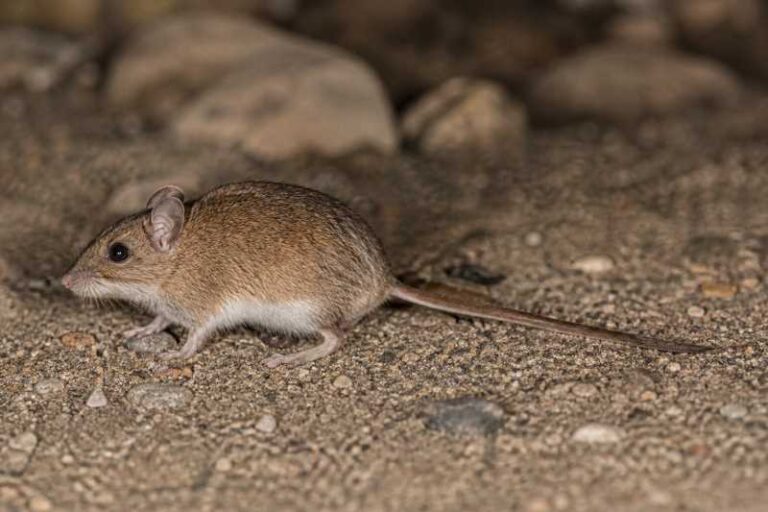
The Saint Lawrence Island Shrew is a small, insectivorous mammal characterized by its elongated snout, tiny eyes, and dense fur, which is typically grayish-brown in color. This fur provides essential insulation against the cold temperatures of its Arctic environment. Adult shrews typically weigh between 4 to 7 grams and measure approximately 90 to 110 millimeters in length, including the tail, which accounts for nearly half of its body length.
One of the distinctive features of Sorex jacksoni is its pointed nose and sharp, tooth-like incisors, which are crucial for its insectivorous diet. The shrew’s teeth are pigmented with iron, giving them a reddish hue that helps prevent wear. Additionally, the shrew’s ears are small and partially covered with fur, a characteristic adaptation to minimize heat loss in frigid conditions.
Range and Habitat
As its name suggests, the Saint Lawrence Island Shrew is found exclusively on Saint Lawrence Island in the Bering Sea. This island, located off the western coast of Alaska, is characterized by its tundra landscape, with harsh, cold climates and short growing seasons. The shrew occupies a variety of habitats on the island, including coastal meadows, shrubby areas, and rocky outcrops.
The island’s diverse microhabitats provide ample opportunities for the shrew to find food and shelter. The shrew is known to inhabit areas with dense vegetation, which offers protection from predators and extreme weather. These habitats also support a rich biodiversity of invertebrates, which are the primary food source for the shrew.
Behavior and Diet
The Saint Lawrence Island Shrew is primarily nocturnal, using the cover of darkness to forage for food and avoid predators. It is an active and agile hunter, relying on its keen sense of smell and touch to locate prey. The shrew’s diet consists mainly of insects, spiders, and other small invertebrates, which it consumes in large quantities to sustain its high metabolic rate.
Due to their small size and rapid metabolism, shrews need to eat frequently and can consume up to three times their body weight in food each day. This constant need for food drives their foraging behavior, making them highly active creatures. The Saint Lawrence Island Shrew also exhibits territorial behavior, with individuals maintaining small home ranges that they aggressively defend from intruders.
Identification Tips (Field Recognition Cues)
Identifying the Saint Lawrence Island Shrew in the field requires careful observation of several key characteristics:
- Size and Shape: Look for a small, mouse-sized mammal with an elongated snout and a slender, streamlined body.
- Fur Color: The shrew’s fur is typically grayish-brown, providing camouflage against the tundra landscape.
- Tail: Noticeably long in proportion to its body, the tail is often half the total length of the shrew.
- Teeth: If observed closely, the shrew’s teeth have a reddish tint due to iron pigmentation.
- Behavior: Watch for their quick, darting movements, often accompanied by brief pauses as they sniff the ground for prey.
Conservation Status (With Threats and Protections)
The conservation status of the Saint Lawrence Island Shrew is currently classified as Data Deficient by the International Union for Conservation of Nature (IUCN). This classification reflects a lack of comprehensive data on the species’ population trends and threats. However, several factors potentially threaten the shrew’s habitat and survival.
Threats
- Climate Change: As with many Arctic species, climate change poses a significant threat. Rising temperatures could alter the island’s habitat, affecting the availability of food and shelter for the shrew.
- Human Activity: Although Saint Lawrence Island is sparsely populated, any increase in human activity, such as construction or tourism, could disrupt the shrew’s habitat.
- Predation: Natural predators, including birds of prey and larger mammals, pose a constant threat to the shrew.
Protections
Currently, there are no specific conservation programs targeting the Saint Lawrence Island Shrew. However, the island’s protected status and remote location help mitigate some human impacts. Continued research and monitoring are essential to understand the species’ ecology and develop effective conservation strategies.
Frequently Asked Questions
What is the habitat of the Saint Lawrence Island Shrew?
The Saint Lawrence Island Shrew inhabits tundra landscapes on Saint Lawrence Island, preferring areas with dense vegetation such as coastal meadows and shrubby regions.
How does the Saint Lawrence Island Shrew find its food?
The shrew relies on its keen sense of smell and touch to locate prey, primarily feeding on insects, spiders, and small invertebrates.
Why is the conservation status of the Saint Lawrence Island Shrew Data Deficient?
The status is due to insufficient data on population trends and threats. More research is needed to assess the full scope of challenges facing the species.
How can you identify a Saint Lawrence Island Shrew in the wild?
Key identification features include its small size, elongated snout, grayish-brown fur, long tail, and reddish-tinted teeth.
What are the main threats to the Saint Lawrence Island Shrew?
Climate change, human activity, and predation are significant threats to the shrew’s survival and habitat integrity.
Related posts