Introduction
The Azumi Shrew, scientifically known as Sorex hosonoi, is a captivating yet lesser-known species of shrew native to Japan. This small mammal has piqued the interest of biologists and nature enthusiasts due to its unique adaptations and ecological significance. Shrews, in general, play a vital role in their ecosystems, often serving as bioindicators due to their sensitivity to environmental changes. The Azumi Shrew is no exception, and understanding its biology, habitat, and conservation status is crucial for biodiversity preservation efforts.
Physical Description
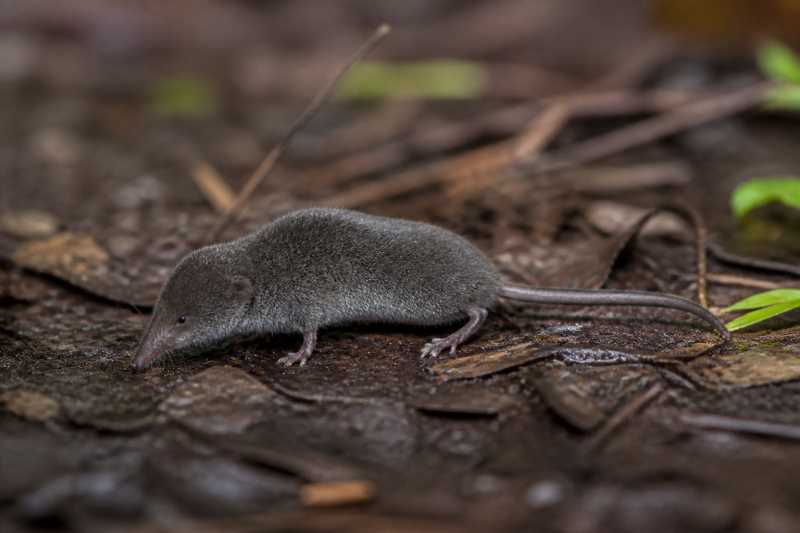
The Azumi Shrew is a diminutive creature, with adults typically measuring between 50 and 70 millimeters in body length, excluding the tail, which adds an additional 30 to 45 millimeters. Weighing in at a mere 5 to 8 grams, this shrew is one of the smaller members of the Sorex genus. It boasts a sleek, soft coat of fur, predominantly grayish-brown on the dorsal side and lighter, almost white, on the ventral side. This coloration provides excellent camouflage against the forest floor. The Azumi Shrew’s pointed snout and small, rounded ears are characteristic of the Sorex genus, aiding in their acute sense of smell and hearing—critical for their survival.
Range and Habitat
Endemic to Japan, the Azumi Shrew is primarily found in the central regions of Honshu, particularly within the Japanese Alps. Its habitat consists of temperate, moist deciduous forests, where the abundant leaf litter and undergrowth provide both food and shelter. These shrews prefer areas with rich, loose soil, which facilitates their burrowing behavior and supports a diverse invertebrate population—an essential component of their diet. The varied elevation ranges within their habitat, from lowland forests to subalpine zones, offer a diverse ecosystem that supports their survival.
Behavior and Diet
The Azumi Shrew is a solitary and nocturnal creature, with most of its activity occurring under the cover of darkness. This behavior helps them avoid predators and take advantage of the cooler temperatures at night. Despite their small size, Azumi Shrews have a high metabolism, necessitating frequent feeding. Their diet primarily consists of insects, larvae, and other small invertebrates, which they hunt using their acute sense of smell and touch. Occasionally, they may consume plant material, although this is not a significant portion of their diet. These shrews are known for their territorial nature, often aggressively defending their foraging grounds from intruders.
Identification Tips
Field identification of the Azumi Shrew can be challenging due to its elusive nature and superficial resemblance to other shrew species. However, several key characteristics can aid in its identification:
- Size and Shape: Look for a small, slender body with a notably pointed snout and small, rounded ears.
- Coloration: Note the grayish-brown dorsal fur and lighter ventral fur, which is distinct from the more uniformly colored species.
- Behavior: Observe their nocturnal activity patterns and solitary behavior, which can help distinguish them from other small mammals.
- Habitat: Focus on regions within the central Japanese Alps, where they are most commonly found.
Conservation Status
The IUCN currently lists the Azumi Shrew as a species of Least Concern, but this does not imply that they face no threats. Habitat destruction, primarily due to logging and land conversion for agriculture, poses a significant risk to their populations. Additionally, climate change impacts, such as altered precipitation patterns and temperature changes, could affect their habitat and food availability. Conservation measures are essential to mitigate these threats. Protected areas within their range, along with sustainable forestry practices, are crucial for maintaining their habitat. Continued research and monitoring are necessary to ensure their long-term survival.
Frequently Asked Questions
What do Azumi Shrews eat?
Azumi Shrews primarily feed on insects, larvae, and small invertebrates. Their diet is supplemented occasionally by plant material, but their high metabolism requires frequent feeding on protein-rich prey.
Where can I find Azumi Shrews in the wild?
Azumi Shrews are found in central Honshu, Japan, particularly in the Japanese Alps. They inhabit moist deciduous forests with rich, loose soil, where they forage for food and build their nests.
Are Azumi Shrews endangered?
Currently, the Azumi Shrew is listed as Least Concern by the IUCN. However, they face threats from habitat destruction and climate change, necessitating ongoing conservation efforts.
How can I identify an Azumi Shrew?
Look for a small, slender body with grayish-brown dorsal fur and a light ventral side. Their pointed snout and nocturnal behavior are also key identification features.
What is the role of Azumi Shrews in their ecosystem?
Azumi Shrews are crucial in controlling insect populations and serve as prey for larger predators. They also act as bioindicators due to their sensitivity to environmental changes.
Related posts