Introduction
The Rufous Sengi, scientifically known as Galegeeska rufescens, is an intriguing and unique mammal species native to the African continent. Often referred to as an elephant shrew due to its elongated, trunk-like nose, this small mammal belongs to the order Macroscelidea. Despite their name, elephant shrews are not closely related to true shrews; instead, they share a distant evolutionary link with elephants, manatees, and aardvarks. With their fascinating behaviors, distinct physical characteristics, and ecological importance, Rufous Sengis continue to captivate biologists and naturalists alike.
Physical Description
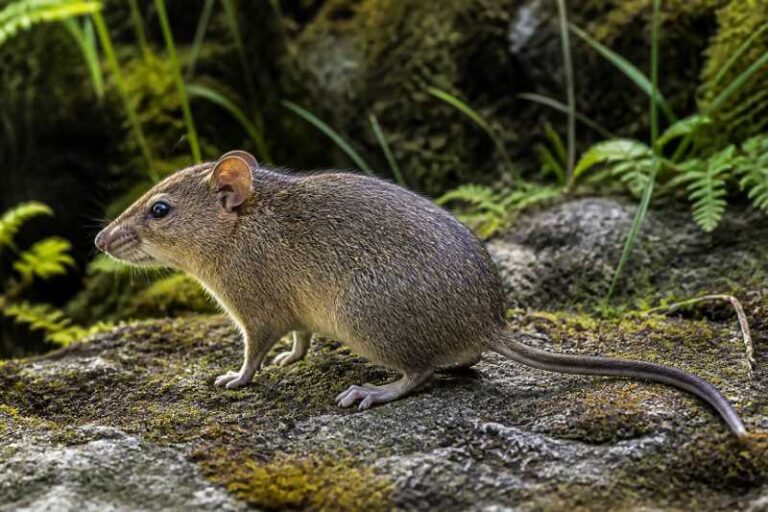
The Rufous Sengi is a small mammal, typically measuring between 10 to 15 centimeters in body length, with a tail that adds an additional 10 to 14 centimeters. It weighs approximately 50 to 300 grams, depending on its age and sex. The fur of the Rufous Sengi is a rich rufous or reddish-brown color, which serves as excellent camouflage against the dry, leaf-littered forest floors they inhabit. Their long, flexible snout is adept for foraging, allowing them to probe the ground for insects and other small invertebrates. Their large eyes and ears are adapted for acute senses of sight and hearing, crucial for detecting predators in the wild.
Range and Habitat
The Rufous Sengi is primarily found in the eastern regions of Africa, particularly in countries such as Kenya, Tanzania, and Somalia. They inhabit a variety of environments, ranging from dense forests to open savannahs and scrublands. These mammals are most commonly associated with areas that provide ample ground cover and abundant leaf litter, which they use both for food and protection. The presence of dense vegetation and fallen logs is crucial as they construct intricate trail systems to navigate their territory.
Behavior and Diet
Rufous Sengis are primarily diurnal, being most active during the daylight hours. They are solitary creatures, with each individual maintaining its own territory. These mammals are highly energetic and are known for their impressive speed and agility, often seen darting through their habitats with remarkable precision.
Their diet consists mainly of insects, including ants, termites, and beetles, which they forage using their elongated snouts. They may also consume small amounts of plant matter, such as fruits and seeds, supplementing their insectivorous diet. Rufous Sengis have a unique foraging behavior where they create and maintain a network of trails, which they use repeatedly to travel efficiently to and from food sources.
Identification Tips (Field Recognition Cues)
Recognizing a Rufous Sengi in the wild can be a rewarding experience for wildlife enthusiasts. Key identification features include:
- Size and Shape: Small, with a compact body and a long, slender tail.
- Coloration: Distinctive rufous or reddish-brown fur.
- Snout: Long and flexible, resembling a small elephant trunk, used for probing the ground.
- Behavior: Fast, agile movements, often seen darting along established paths.
- Habitat: Commonly found in areas with dense ground cover and leaf litter.
Conservation Status (with Threats and Protections)
As of the latest assessments, the Rufous Sengi is not currently listed as endangered, but it faces several threats that could impact its population in the future. Habitat loss due to deforestation and human encroachment poses a significant risk, reducing the available habitat for these mammals. Additionally, climate change may alter their habitats, affecting their food sources and shelter.
Conservation efforts for Rufous Sengis focus on habitat preservation and restoration. Protecting large areas of natural habitat and implementing sustainable land-use practices are crucial steps in ensuring their continued survival. In some regions, protected areas and wildlife reserves provide safe havens for these unique mammals, safeguarding them from further habitat destruction.
Frequently Asked Questions
What do Rufous Sengis eat?
Rufous Sengis primarily feed on insects such as ants, termites, and beetles. They may also consume small amounts of fruits and seeds to supplement their diet.
Where can Rufous Sengis be found?
Rufous Sengis are native to eastern Africa, inhabiting countries like Kenya, Tanzania, and Somalia. They prefer environments with dense ground cover and ample leaf litter.
Are Rufous Sengis endangered?
Currently, Rufous Sengis are not classified as endangered. However, they face threats from habitat loss and climate change, which could impact their populations if not addressed.
How do Rufous Sengis navigate their environment?
Rufous Sengis create and maintain a network of trails through their habitats, which they use repeatedly to travel efficiently to food sources and shelter.
What are the main threats to Rufous Sengis?
The primary threats to Rufous Sengis include habitat destruction due to deforestation and human encroachment, as well as the potential impacts of climate change on their ecosystems.
Related posts