California Sea Lion (Zalophus californianus): A Comprehensive Guide
Introduction
The California sea lion (Zalophus californianus) is a highly intelligent and social marine mammal commonly found along the western coast of North America. Known for their playful nature and impressive acrobatics, these pinnipeds are a favorite among marine enthusiasts and researchers alike. This article delves into the fascinating world of the California sea lion, covering various aspects such as their physical characteristics, habitat, behavior, and conservation status.
Physical Description
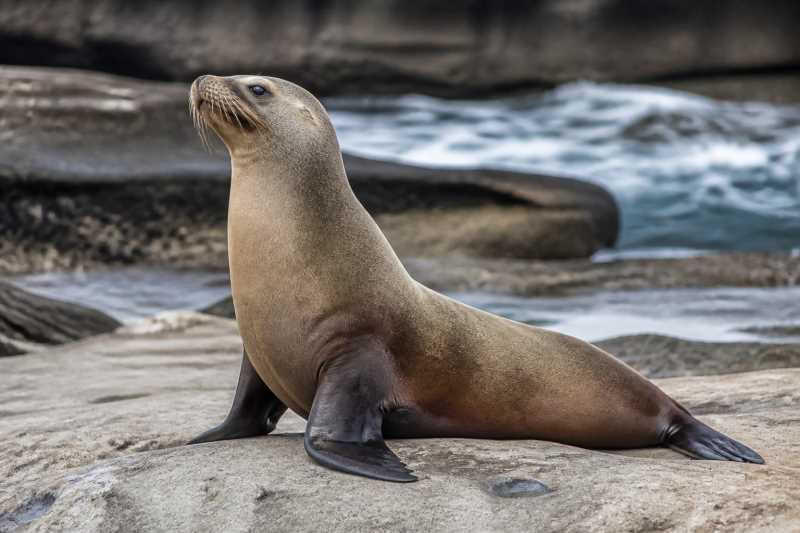
California sea lions are easily recognizable due to their streamlined bodies and external ear flaps. Adult males, known as bulls, can weigh between 600 to 850 pounds and reach lengths of up to 8 feet. Females, or cows, are significantly smaller, weighing around 200 to 250 pounds and measuring about 6 feet in length.
Males have a distinctive sagittal crest, a bony bump on top of their heads, which becomes more pronounced as they age. Their fur is typically a dark brown color, which appears almost black when wet. Females and juveniles have a lighter, tawny brown coat.
California sea lions have long, front flippers that aid in their agile swimming abilities. These flippers, along with their muscular bodies, enable them to reach speeds of up to 25 miles per hour in the water.
Range and Habitat
The range of the California sea lion extends from the southern tip of Baja California, Mexico, to the northern coast of British Columbia, Canada. They are most commonly found in the coastal waters of California, where they haul out on sandy beaches, rocky islands, and man-made structures such as docks and buoys.
These adaptable animals prefer temperate to subtropical waters and are known to venture into bays, harbors, and even river mouths in search of food. Their habitat is influenced by the availability of prey and suitable breeding sites.
Behavior and Diet
California sea lions are highly social animals, often seen in large groups called colonies. During the breeding season, which occurs from May to August, males establish and defend territories through displays of vocalizations and physical posturing. Females give birth to a single pup, which they nurse for about six months.
These sea lions are opportunistic feeders, primarily preying on a variety of fish and squid. Their diet can include sardines, anchovies, mackerel, rockfish, and occasionally octopus. They are known to dive to depths of 900 feet and can remain submerged for up to 10 minutes.
Identification Tips (Field Recognition Cues)
When trying to identify a California sea lion in the field, look for the following characteristics:
- Size and Shape: Note the size difference between males and females. Males are significantly larger with a noticeable sagittal crest.
- Color: Observe the color of their fur. Males are generally darker, while females and juveniles are lighter in color.
- Flippers: California sea lions have long, paddle-like front flippers that they use for swimming and maneuvering on land.
- Vocalizations: Listen for their distinctive barking sounds, which can often be heard from a distance.
- Behavior: Watch for playful behaviors such as porpoising and jumping out of the water, which are characteristic of this species.
Conservation Status (With Threats and Protections)
The California sea lion is currently listed as a species of "Least Concern" by the International Union for Conservation of Nature (IUCN). However, they face several threats that could impact their populations in the future.
Threats
- Entanglement: Sea lions often become entangled in fishing gear, which can lead to injury or death.
- Pollution: Pollution, particularly from oil spills and marine debris, poses a significant threat to their habitat and health.
- Climate Change: Changes in ocean temperatures and prey availability due to climate change can affect their food sources.
- Human Interaction: Increased human activity in coastal areas can lead to disturbances and habitat degradation.
Protections
California sea lions are protected under the Marine Mammal Protection Act (MMPA) in the United States, which prohibits the harassment, hunting, capturing, or killing of marine mammals. Conservation efforts focus on habitat protection, pollution control, and public education to mitigate human-sea lion conflicts.
Frequently Asked Questions
1. What is the difference between a California sea lion and a seal?
California sea lions have external ear flaps and long front flippers that they use to "walk" on land, whereas seals lack these ear flaps and have shorter flippers, making them less agile on land.
2. Where can I see California sea lions in the wild?
California sea lions can often be seen along the coast of California, particularly in areas like San Francisco’s Pier 39, La Jolla Cove in San Diego, and the Channel Islands.
3. How long do California sea lions live?
In the wild, California sea lions typically live for 15 to 20 years. However, some individuals in captivity have been known to live into their 30s.
4. What do California sea lions eat?
Their diet primarily consists of fish such as sardines, anchovies, and mackerel, as well as squid and octopus.
5. Are California sea lions endangered?
No, California sea lions are not currently considered endangered. They are classified as "Least Concern" but still face threats that require ongoing conservation efforts.
Related posts