Large Short-tailed Rat (Brachyuromys ramirohitra)
Introduction
The Large Short-tailed Rat, scientifically known as Brachyuromys ramirohitra, is a fascinating mammal species endemic to the island of Madagascar. Belonging to the family Nesomyidae, this rodent is not only an integral component of Madagascar’s unique biodiversity but also serves as an important subject for ecological and evolutionary studies. This article delves into the distinct characteristics, habitat preferences, and conservation status of the Large Short-tailed Rat, providing insights that underscore its ecological role and the challenges it faces in the wild.
Physical Description
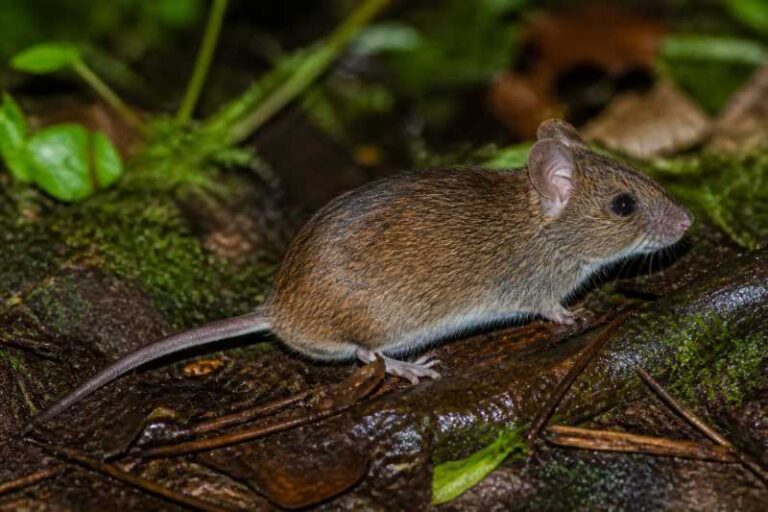
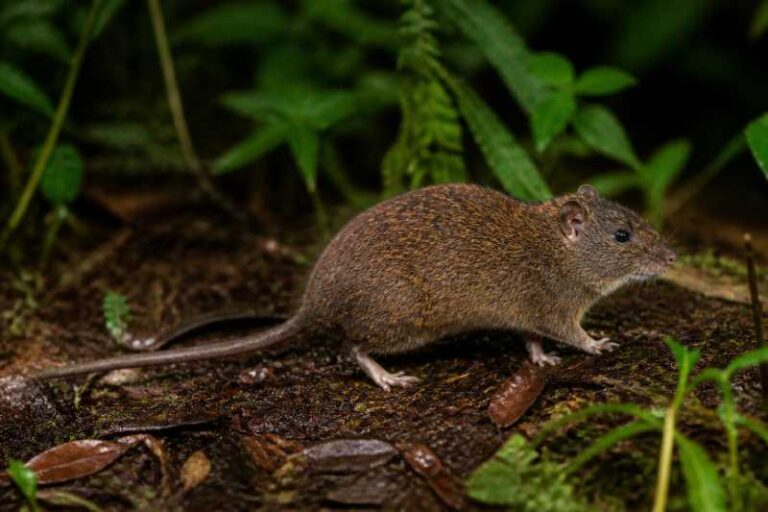
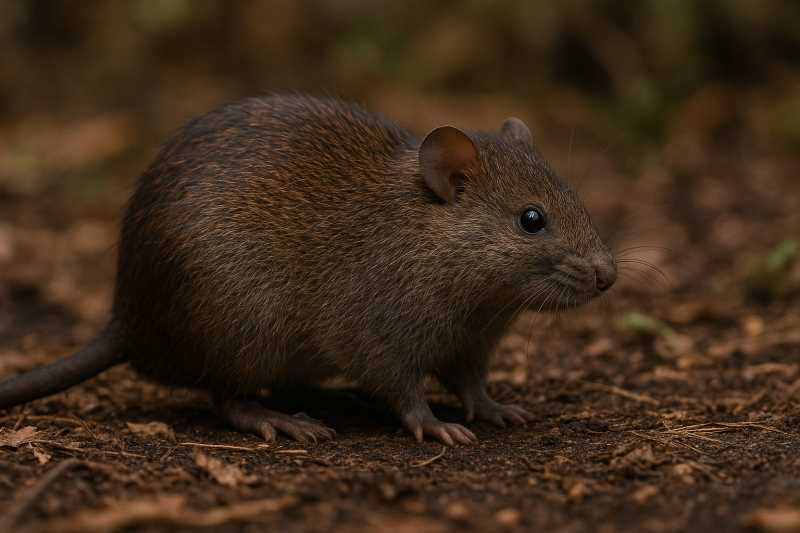
The Large Short-tailed Rat is aptly named for its relatively short tail, which is a defining characteristic of the species. Typically, adult rats of this species measure approximately 20 to 25 centimeters in head-body length, with the tail adding an additional 10 to 15 centimeters. The coat is dense and soft, exhibiting a brownish-gray coloration that provides effective camouflage against the forest floor.
The rat’s head is broad with a blunt snout, and its eyes are small, reflecting its adaptation to a predominantly nocturnal lifestyle. The ears are also small and rounded, aiding in minimizing heat loss. Its limbs are sturdy, with sharp claws that facilitate digging and climbing, essential for its survival in the varied terrains of Madagascar.
Range and Habitat
The Large Short-tailed Rat is endemic to Madagascar, where it occupies a range of habitats from lowland rainforests to montane forests. It is primarily found in the eastern and northern regions of the island, where dense vegetation and complex forest structures provide ample shelter and food resources.
These rats are highly adaptable, though they prefer moist environments rich in undergrowth and leaf litter. Such conditions offer both protection from predators and a steady supply of food. However, habitat fragmentation and deforestation pose significant threats to their natural settings, increasingly forcing these rodents into suboptimal habitats.
Behavior and Diet
Brachyuromys ramirohitra is predominantly nocturnal, with activity peaking during the night when it forages for food. Its diet is omnivorous, consisting of seeds, fruits, insects, and small invertebrates. This varied diet reflects its adaptability and resilience in diverse environmental conditions.
The Large Short-tailed Rat is known for its solitary behavior, except during the breeding season. It communicates through a series of vocalizations and scent markings, which are crucial for territory establishment and mating. The breeding season is typically aligned with periods of resource abundance, ensuring the survival of the offspring.
Identification Tips
Identifying the Large Short-tailed Rat in the field can be challenging due to its elusive nature and nocturnal habits. However, there are several key features to look for:
- Tail Length: The tail is significantly shorter than the head-body length, a distinctive feature setting it apart from other rat species.
- Fur Texture and Color: Look for the dense, soft fur with a brownish-gray hue.
- Size: Larger than many other rodent species in its habitat, with a robust body structure.
- Habitat: Found in dense, moist forests with rich undergrowth.
Conservation Status
The International Union for Conservation of Nature (IUCN) currently lists the Large Short-tailed Rat as a species of Least Concern. However, its population is threatened by ongoing habitat loss due to deforestation and land conversion for agriculture. Additionally, climate change poses a long-term threat by altering the delicate balance of its forest habitats.
Conservation efforts are crucial to preserve the habitats of Brachyuromys ramirohitra. Protected areas, reforestation projects, and sustainable land-use practices are essential to mitigate these threats. Moreover, raising awareness about the importance of Madagascar’s endemic species can foster greater community involvement in conservation initiatives.
Frequently Asked Questions
What do Large Short-tailed Rats eat?
The Large Short-tailed Rat is omnivorous, feeding on a diet that includes seeds, fruits, insects, and small invertebrates. This varied diet helps it adapt to different environmental conditions.
Where can I find the Large Short-tailed Rat?
This species is endemic to Madagascar, primarily inhabiting the eastern and northern regions of the island. It prefers moist, dense forests with abundant undergrowth.
How can I identify a Large Short-tailed Rat?
Look for its characteristic short tail, which is shorter than its head-body length, dense brownish-gray fur, and robust body size. It is typically found in dense forest habitats.
Are Large Short-tailed Rats endangered?
Currently, the Large Short-tailed Rat is listed as Least Concern by the IUCN. However, habitat loss and climate change are significant threats that could impact its population in the future.
Why is the Large Short-tailed Rat important?
The Large Short-tailed Rat plays a crucial role in Madagascar’s ecosystems, contributing to seed dispersal and serving as prey for various predators. Its presence indicates a healthy forest ecosystem.
Related posts