Introduction
The Great Gerbil (Rhombomys opimus) is a fascinating rodent species that inhabits the arid regions of Central Asia. Known for its social behavior and burrowing lifestyle, the Great Gerbil plays a significant role in its ecosystem. It is one of the largest gerbil species, which has garnered the interest of researchers and wildlife enthusiasts alike. This article delves into the various aspects of the Great Gerbil, providing a comprehensive overview of its physical characteristics, habitat, behavior, and conservation status.
Physical Description
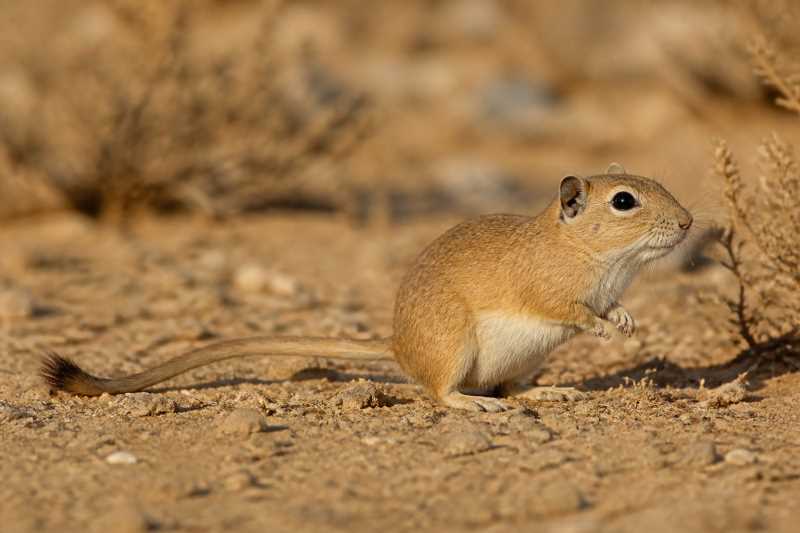
The Great Gerbil is a robust rodent, easily distinguished by its size and distinctive features. Adults typically measure between 15 to 20 centimeters in body length, with a tail that adds another 10 to 15 centimeters. This species is characterized by its sandy or yellow-brown fur, which provides an excellent camouflage against the desert background. The fur is dense and soft, offering protection against the extreme temperatures of its habitat.
Notably, the Great Gerbil has large, prominent eyes and small, rounded ears that are well-adapted for its environment. Its hind legs are stronger and longer than the front legs, aiding in its ability to leap and maneuver through its burrow systems. Additionally, the Great Gerbil has sharp claws that are essential for digging.
Range and Habitat
The Great Gerbil is predominantly found in the arid and semi-arid regions of Central Asia, including countries such as Kazakhstan, Uzbekistan, Turkmenistan, and parts of northern China. These regions are characterized by vast steppe and desert landscapes, where the gerbil has adapted to survive.
This species thrives in sandy and loamy soil conditions, which are ideal for constructing its elaborate burrow systems. These burrows are not only a refuge from predators but also serve as a microhabitat where temperature and humidity are regulated. Great Gerbils prefer areas with sparse vegetation, such as shrubs and grasslands, which provide both food and cover.
Behavior and Diet
Great Gerbils are primarily diurnal, meaning they are most active during the day. They exhibit social behavior, often living in large colonies that can comprise dozens of individuals. These colonies are territorial, and the gerbils communicate through vocalizations and scent markings to establish boundaries and hierarchy within the group.
The diet of the Great Gerbil is mainly herbivorous, consisting of seeds, roots, and leaves. They are known to store food in their burrows to ensure a steady supply during scarce periods. Despite being herbivores, they have been observed occasionally consuming insects, which provide additional protein.
Identification Tips (Field Recognition Cues)
Identifying the Great Gerbil in the field requires attention to several key features:
- Size and Build: Look for a larger gerbil with a sturdy build. Their body length is significantly longer than that of common gerbils.
- Coloration: Note the sandy or yellow-brown fur, which blends well with the desert environment.
- Tail: The tail is bushy and about as long as the body, with a darker tip.
- Behavior: Observe their social interactions and burrow activities during daylight hours.
Conservation Status (With Threats and Protections)
Currently, the Great Gerbil is classified as a species of Least Concern by the International Union for Conservation of Nature (IUCN). However, it faces several threats that could impact its populations in the future. Habitat loss due to agricultural expansion and urbanization poses a significant threat. Additionally, climate change could alter the desert ecosystems they rely on.
Efforts to conserve the Great Gerbil focus on habitat protection and monitoring population trends. Some regions have implemented measures to control agricultural expansion, thereby preserving vital habitats for the species.
Frequently Asked Questions
Why is this species unique?
The Great Gerbil is unique due to its large size compared to other gerbils, as well as its complex social structure and burrowing behavior. These traits distinguish it from other rodent species in its habitat.
What role does the Great Gerbil play in its ecosystem?
The Great Gerbil is an essential part of its ecosystem, serving as both a prey species for predators and as a consumer of vegetation. Its burrowing activities also help aerate the soil, promoting plant growth.
How do Great Gerbils communicate?
Great Gerbils communicate through a combination of vocalizations, body language, and scent markings. These methods are used to establish territory, identify colony members, and warn of potential threats.
Related posts