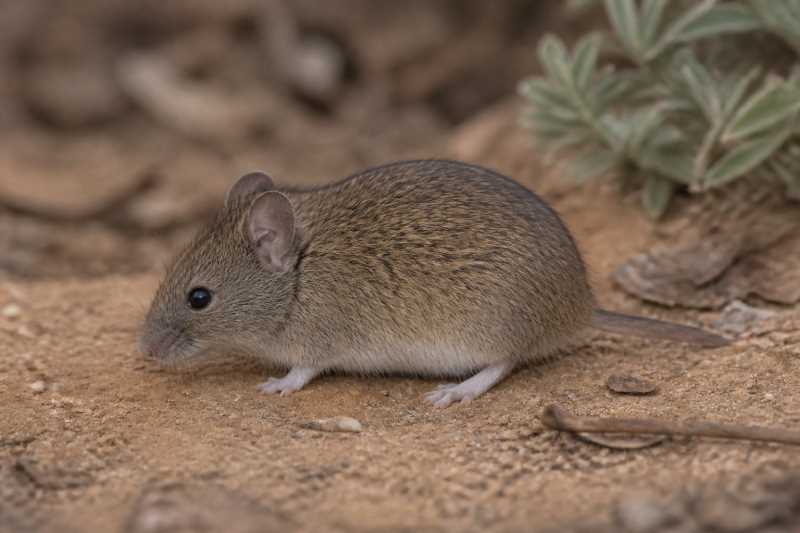
Northern Short-tailed Mouse (Leggadina lakedownensis)
Introduction
The Northern Short-tailed Mouse, scientifically known as Leggadina lakedownensis, is a fascinating yet little-known species of rodent native to Australia. With its unique adaptations and ecological significance, this small mammal plays a vital role in its habitat. It is crucial for both scientific communities and wildlife enthusiasts to gain insights into this species to aid in its preservation and understanding.
Physical Description
The Northern Short-tailed Mouse is characterized by its compact body and notably short tail, which distinguishes it from other mouse species. Typically, the mouse measures between 7 to 10 centimeters in body length, with the tail adding an additional 3 to 5 centimeters. This short tail is not only a defining feature but also an adaptation to its environment. The coat is generally a sandy or light brown color, providing excellent camouflage against the arid landscapes of its native habitat. Its fur is soft and dense, offering protection from temperature extremes.
The mouse’s ears are relatively large and rounded, enhancing its auditory capabilities, which are crucial for detecting predators and communicating with others of its kind. The eyes are prominent and dark, adapted for nocturnal activities. Its limbs are short but strong, allowing for efficient burrowing, an essential behavior for shelter and protection.
Range and Habitat
The Northern Short-tailed Mouse is endemic to the northern regions of Australia, particularly in Queensland. It thrives in arid and semi-arid environments, favoring areas with sandy or loamy soils that facilitate easy burrowing. These mice are typically found in grasslands, open woodlands, and shrublands.
Their habitat choice is influenced by the availability of food resources and the need for suitable soil to construct their burrows. These burrows not only serve as shelters from predators but also help maintain a stable temperature and humidity level, crucial for their survival in extreme weather conditions.
Behavior and Diet
Primarily nocturnal, the Northern Short-tailed Mouse is most active during the night, which helps avoid the harsh heat of the day and reduces the risk of predation. They are solitary creatures, with adults maintaining and defending their territory against intruders.
Their diet consists largely of seeds, fruits, and various insects, making them omnivores. This varied diet allows them to adapt to seasonal changes in food availability. Their foraging behavior is crucial for seed dispersal, contributing to the ecological balance within their habitat.
Identification Tips
Field identification of the Northern Short-tailed Mouse involves observing several key characteristics:
- Size and Shape: Look for a small rodent with a notably short tail, approximately half the length of its body.
- Coloration: Observe the sandy or light brown fur, which blends well with the arid landscape.
- Ears and Eyes: The large, rounded ears and prominent dark eyes are distinctive features.
- Behavior: Notice their nocturnal activity patterns and burrowing behavior, which can help confirm identification.
Conservation Status
The Northern Short-tailed Mouse is currently listed as ‘Least Concern’ on the IUCN Red List. However, it faces several threats that could impact its population if not managed properly. Habitat destruction due to agricultural expansion and mining activities poses significant challenges. Additionally, climate change and the introduction of invasive species, such as cats and foxes, increase predation risks.
Conservation efforts focus on habitat preservation and restoration, alongside policies to control invasive species. Research initiatives aimed at understanding their ecological role and population dynamics are also crucial.
Frequently Asked Questions
1. What are the main predators of the Northern Short-tailed Mouse? The primary predators include birds of prey, snakes, and introduced species like cats and foxes. Their nocturnal nature helps them avoid some daytime predators.
2. How does the Northern Short-tailed Mouse contribute to its ecosystem? This mouse plays a vital role in seed dispersal and soil aeration through its burrowing activities, which benefits plant growth and nutrient cycling.
3. Are Northern Short-tailed Mice social animals? No, they are generally solitary, with adults maintaining distinct territories to minimize competition for resources.
4. What adaptations help the Northern Short-tailed Mouse survive in its habitat? Their short tail aids in balance and agility, while their burrowing behavior provides shelter and temperature regulation. Their varied diet also allows them to thrive in diverse environmental conditions.
5. How can I help in the conservation of the Northern Short-tailed Mouse? Supporting habitat preservation initiatives and advocating for policies that control invasive species can contribute to their conservation.
Related posts