Introduction
The Buka Island Giant Rat, scientifically known as Solomys spriggsarum, is a fascinating and elusive species native to the Solomon Islands. This remarkable rodent is part of the Solomys genus, which is predominantly found in the Solomon archipelago. The Buka Island Giant Rat is notable for its size and unique adaptations to its island habitat, making it a subject of interest for both researchers and wildlife enthusiasts. This article delves into the various aspects of the Buka Island Giant Rat, from its physical characteristics to its behavior, habitat, and the conservation challenges it faces.
Physical Description
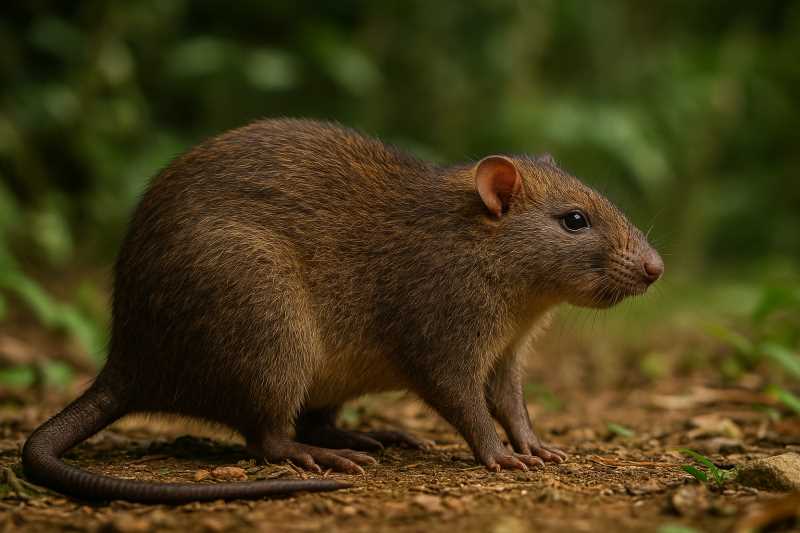
The Buka Island Giant Rat is aptly named for its impressive size when compared to other rodent species. Adult individuals typically weigh between 500 to 1,000 grams, with a body length ranging from 25 to 35 centimeters, not including the tail. The tail itself is nearly as long as the body, providing balance and agility in its arboreal environment.
The fur of the Buka Island Giant Rat is dense and woolly, primarily brown with a mixture of lighter shades on the underbelly. This coloration provides excellent camouflage against the forest floor and among the trees where it resides. The species has large, rounded ears and sharp, robust claws that aid in climbing and foraging.
One of the most striking features of the Buka Island Giant Rat is its incisors, which are quite pronounced and continue to grow throughout its life. These teeth are essential for gnawing on tough plant materials and serve as a distinctive characteristic when identifying the species in the wild.
Range and Habitat
As its name suggests, the Buka Island Giant Rat is endemic to Buka Island, part of the Autonomous Region of Bougainville in Papua New Guinea. The island’s unique ecosystem provides the ideal habitat for this species, which thrives in lowland tropical forests.
The dense, humid forests of Buka Island offer an abundance of resources and shelter for the giant rat. It prefers areas with thick understory vegetation, which provides cover from predators and facilitates its nocturnal lifestyle. The species is arboreal, often found in the canopy and mid-levels of the forest, where it constructs nests from leaves and twigs.
Behavior and Diet
The Buka Island Giant Rat is primarily nocturnal, with most of its activity occurring during the night. This behavior helps it avoid many predators and the heat of the day. It is a solitary creature, with individuals maintaining distinct territories marked by scent.
The diet of the Buka Island Giant Rat is omnivorous, comprising fruits, nuts, seeds, and occasionally small invertebrates. Its strong jaws and sharp incisors allow it to crack open hard shells and access the nutritious contents within. Foraging typically occurs both in the trees and on the forest floor, where the rat uses its keen sense of smell to locate food.
Identification Tips (field recognition cues)
Identifying the Buka Island Giant Rat in the wild can be a challenging task, given its elusive nature and the dense forest habitat it occupies. However, there are several key characteristics to look for:
- Size and Shape: Look for a large rodent with a body length of 25 to 35 centimeters, excluding the tail.
- Fur and Coloration: Notice the dense, woolly fur that is predominantly brown with lighter underparts.
- Tail: Observe the long, almost hairless tail that matches or exceeds the body length.
- Ears and Teeth: Identify by the large, rounded ears and prominent incisors.
- Behavior: It is primarily nocturnal, so sightings are more likely at night.
Conservation Status (with threats and protections)
The Buka Island Giant Rat is currently classified as "Data Deficient" by the International Union for Conservation of Nature (IUCN) due to limited information on its population size and trends. However, like many island species, it faces several threats that could impact its survival.
Threats
- Habitat Destruction: The primary threat to the Buka Island Giant Rat is habitat loss due to logging and land conversion for agriculture. These activities reduce the available forest cover, which is crucial for the species’ survival.
- Invasive Species: The introduction of non-native predators, such as cats and dogs, poses a significant threat to the rat’s population, as these predators can easily prey on the relatively slow-moving rodents.
- Climate Change: Changes in climate patterns can alter the habitat and food availability, affecting the rat’s ability to thrive.
Protections
Efforts to protect the Buka Island Giant Rat include promoting sustainable land-use practices and establishing protected areas to preserve critical habitats. Continued research and monitoring are essential to assess the species’ status and implement effective conservation strategies.
Frequently Asked Questions
What is the scientific name of the Buka Island Giant Rat?
The scientific name of the Buka Island Giant Rat is Solomys spriggsarum. It belongs to the Solomys genus, which is unique to the Solomon Islands region.
Where can the Buka Island Giant Rat be found?
The Buka Island Giant Rat is endemic to Buka Island in Papua New Guinea. It inhabits the lowland tropical forests of the island.
What does the Buka Island Giant Rat eat?
The Buka Island Giant Rat is omnivorous, feeding on a diet of fruits, nuts, seeds, and occasionally small invertebrates. Its strong jaws and incisors are well-suited for accessing these food sources.
What are the main threats to the Buka Island Giant Rat?
The main threats include habitat destruction due to logging, invasive species like cats and dogs, and the impacts of climate change on its natural habitat.
How can the Buka Island Giant Rat be identified in the wild?
It can be identified by its large size, dense brown fur, long tail, large rounded ears, and prominent incisors. It is primarily nocturnal, so nighttime sightings are more common.
Related posts