Introduction
Percival’s Spiny Mouse, scientifically known as Acomys percivali, is a fascinating mammal belonging to the family Muridae. This intriguing species derives its name from the unique spiny texture of its fur, a characteristic that distinguishes it from other rodents. Named after the British zoologist Arthur Blayney Percival, who first described it, this small mammal is a marvel of adaptation and resilience in its natural habitat.
Spiny mice are a group of rodents found predominantly in Africa and parts of the Middle East. They are renowned for their distinctive spiny fur, which serves as both protection and camouflage in their native environments. Percival’s Spiny Mouse is no exception, exhibiting a range of adaptations that make it a subject of interest for researchers and wildlife enthusiasts alike.
In this comprehensive article, we will explore the physical characteristics, habitat preferences, behavioral traits, and conservation status of Percival’s Spiny Mouse. We will also provide identification tips and answer some frequently asked questions about this remarkable species.
Physical Description
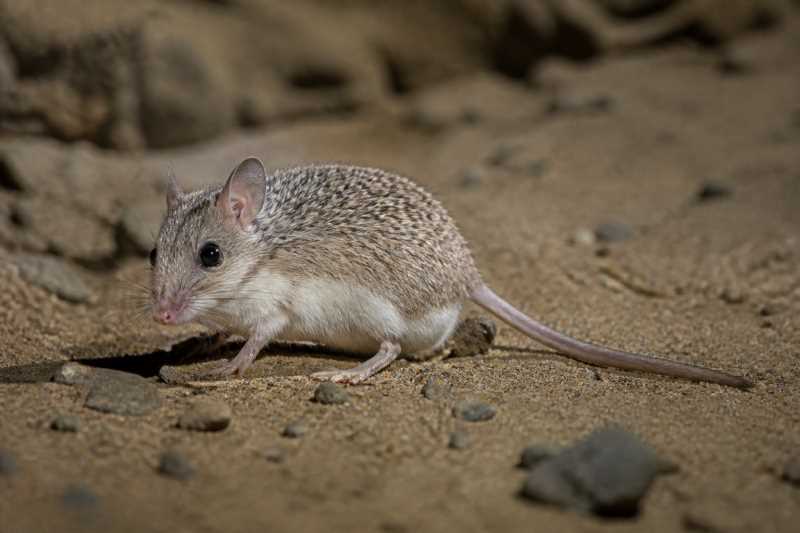
Percival’s Spiny Mouse is a small rodent, typically measuring between 10 to 12 cm in body length, with a tail that is slightly shorter than its body. One of the most notable features of this species is its spiny fur, which consists of stiff, bristle-like hairs interspersed among softer fur. These spines offer protection against predators and abrasion from rough terrain.
The coloration of Percival’s Spiny Mouse varies from sandy brown to grayish-brown on the dorsal side, providing excellent camouflage in its arid habitat. The ventral side is usually lighter, often white or pale cream, which helps in thermoregulation by reflecting sunlight.
The ears of Percival’s Spiny Mouse are large and rounded, enhancing its auditory capabilities, which are essential for detecting predators. Its eyes are also relatively large, adapted for nocturnal activity. The limbs are short but strong, enabling the mouse to navigate rocky terrains and burrow effectively.
Range and Habitat
Percival’s Spiny Mouse is primarily found in the arid and semi-arid regions of East Africa, with its range extending across countries such as Kenya, Tanzania, and Uganda. This species favors rocky outcrops and dry savannas, where it can utilize its climbing skills and exploit the sparse vegetation for food and shelter.
These mice are highly adaptable and can survive in a variety of habitats, including rocky hillsides, scrublands, and even human-altered landscapes like agricultural fields. They are well-suited to environments where water is scarce, obtaining most of their hydration from the food they consume.
The ability of Percival’s Spiny Mouse to thrive in harsh conditions is a testament to its evolutionary success. Its preference for rocky habitats not only provides protection from predators but also offers numerous hiding spots and nesting sites.
Behavior and Diet
Percival’s Spiny Mouse is primarily nocturnal, foraging for food under the cover of darkness to avoid the heat of the day and predation. It is an omnivorous species, with a diet that includes seeds, fruits, insects, and small invertebrates. This varied diet allows it to exploit a range of food resources, increasing its chances of survival in challenging environments.
Socially, these mice are known to live in small family groups, although they may also be found solitary. They communicate through a range of vocalizations and scent markings, which help establish territory and social bonds.
One of the most remarkable behaviors of this species is its ability to shed its skin and regenerate it. This autotomy is a defensive mechanism that allows the mouse to escape predators by leaving behind a patch of skin. The regeneration process is relatively quick, minimizing the impact on the mouse’s overall health.
Identification Tips (field recognition cues)
Identifying Percival’s Spiny Mouse in the field requires attention to several key features:
- Spiny Fur: Look for the distinctive spiny texture of the fur, which is a combination of stiff bristles and softer hairs.
- Coloration: Note the sandy brown to grayish-brown dorsal coloration and lighter ventral side, which helps in blending with the rocky environment.
- Size and Shape: The mouse is small, with a relatively short tail compared to its body length. Its large, rounded ears and eyes are also distinguishing features.
- Habitat: Consider the environment; this species is typically found in rocky, arid regions with sparse vegetation.
- Behavior: Observe activity patterns; Percival’s Spiny Mouse is mainly nocturnal and may be seen foraging at night.
Conservation Status (with threats and protections)
As of the latest assessments, Percival’s Spiny Mouse is not considered to be under significant threat and is classified as a species of Least Concern by the International Union for Conservation of Nature (IUCN). However, like many other small mammals, it faces potential threats from habitat destruction, climate change, and predation.
The expansion of agricultural activities and human settlements can lead to habitat fragmentation and degradation, reducing the available natural habitat for these mice. Additionally, climate change poses a threat by altering the ecosystems they depend on, potentially affecting their food supply and shelter.
Conservation efforts for Percival’s Spiny Mouse focus on habitat preservation and sustainable land use practices. Protecting the rocky habitats and arid regions where these mice thrive is crucial for their continued survival. Furthermore, raising awareness about the ecological role of spiny mice can help foster conservation initiatives.
Frequently Asked Questions
What is the primary diet of Percival’s Spiny Mouse?
Percival’s Spiny Mouse is an omnivore, feeding on a variety of foods, including seeds, fruits, insects, and small invertebrates. This diverse diet allows the mouse to adapt to different environmental conditions and ensures its nutritional needs are met.
How does Percival’s Spiny Mouse protect itself from predators?
Percival’s Spiny Mouse employs several defensive strategies, including its spiny fur that deters predators and the ability to shed patches of skin to escape capture. This autotomy is a unique adaptation that provides an opportunity to flee while leaving behind a part of its skin.
Where can Percival’s Spiny Mouse be found?
This species is primarily located in East Africa, with its range including countries like Kenya, Tanzania, and Uganda. It inhabits arid and semi-arid regions, favoring rocky outcrops and dry savannas where it can find shelter and food.
Are Percival’s Spiny Mice social animals?
Percival’s Spiny Mice can be both solitary and social. They often live in small family groups and communicate through vocalizations and scent markings, which help establish territories and strengthen social bonds.
What conservation measures are in place for Percival’s Spiny Mouse?
While the species is currently classified as Least Concern, conservation measures focus on habitat preservation and promoting sustainable land use. Protecting the natural habitats and raising awareness about the ecological importance of spiny mice are key strategies for their conservation.
Related posts