Arabian Spiny Mouse (Acomys dimidiatus): A Comprehensive Guide
Introduction
The Arabian Spiny Mouse, scientifically known as Acomys dimidiatus, is a fascinating small mammal that belongs to the Muridae family. This intriguing species has adapted well to the harsh environments of the Arabian Peninsula, thriving in arid and semi-arid regions. With its distinctive spiny fur and unique behavioral traits, the Arabian Spiny Mouse offers valuable insights into the adaptability and survival strategies of desert-dwelling mammals.
In this article, we will explore the physical characteristics, habitat preferences, behaviors, and conservation status of the Arabian Spiny Mouse. Additionally, we will provide tips for identifying these creatures in the wild and address frequently asked questions about this remarkable species.
Physical Description
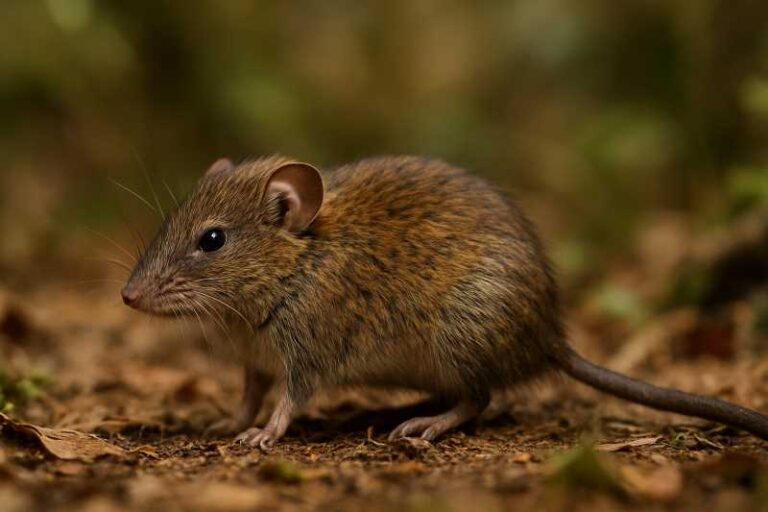
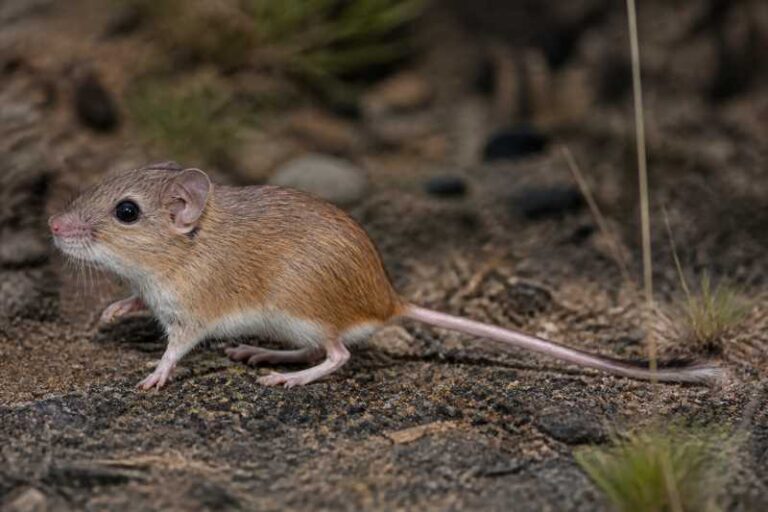
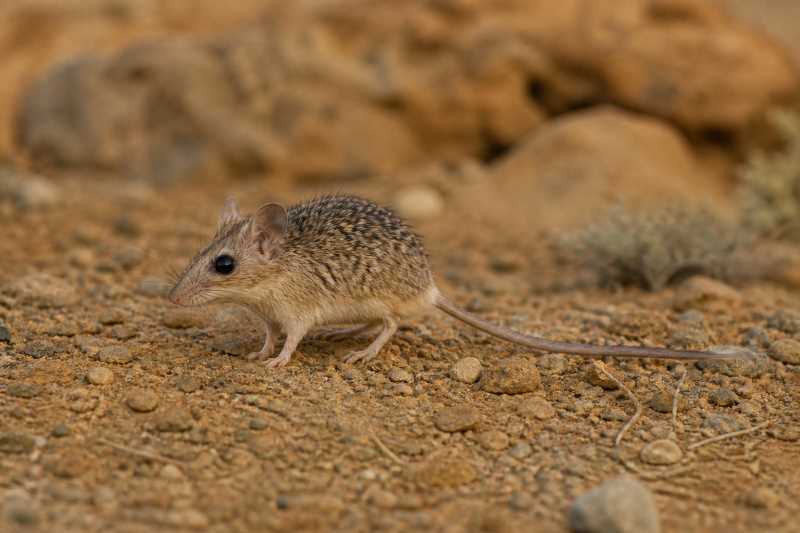
The Arabian Spiny Mouse is a small rodent, typically ranging from 7 to 9 centimeters in body length, with a tail measuring an additional 5 to 7 centimeters. One of its most distinctive features is its spiny fur, which is not only a defining characteristic but also serves as a protective adaptation. The fur consists of stiff, spine-like hairs interspersed with softer ones, providing a defense mechanism against predators.
The coloration of the Arabian Spiny Mouse varies depending on its environment, ranging from sandy beige to a darker brown, which allows it to blend seamlessly with its surroundings. This camouflage is essential for evading predators in the desert. Its underbelly is typically lighter, often white or pale grey.
The ears of this species are relatively large, aiding in thermoregulation and acute hearing, which are crucial for survival in the desert. The eyes are prominent and adapted for nocturnal activity, providing excellent night vision.
Range and Habitat
The Arabian Spiny Mouse is predominantly found across the Arabian Peninsula, with populations recorded in countries such as Saudi Arabia, Yemen, Oman, and the United Arab Emirates. Its range extends into parts of the Middle East, including Jordan and Israel.
This species thrives in arid and semi-arid habitats, often inhabiting rocky hillsides, desert plains, and scrublands. The preference for such environments is attributed to the availability of crevices and burrows, which offer shelter from extreme temperatures and predators.
The Arabian Spiny Mouse is highly adaptable, capable of surviving in areas with limited water resources. It often relies on dew and moisture from its diet to meet its hydration needs.
Behavior and Diet
The Arabian Spiny Mouse is primarily nocturnal, which means it is most active during the night when temperatures are cooler. This behavioral adaptation helps conserve water and energy in the harsh desert climate. During the daytime, it seeks refuge in burrows or rocky crevices.
Socially, the Arabian Spiny Mouse displays a range of behaviors. While some individuals may exhibit solitary tendencies, others are known to form small groups for foraging and protection against predators. Communication within these groups is facilitated by vocalizations and scent markings.
The diet of the Arabian Spiny Mouse is omnivorous, consisting of seeds, fruits, insects, and small invertebrates. This varied diet allows it to exploit different food sources depending on availability, further illustrating its adaptability.
Identification Tips (Field Recognition Cues)
Identifying the Arabian Spiny Mouse in the wild requires attention to several key characteristics:
- Spiny Fur: Look for the distinctive spiny fur that sets this species apart from other rodents in the region.
- Size and Shape: Note the small body size, typically 7 to 9 centimeters, with a proportionally long tail.
- Coloration: Observe the sandy to brown coloration, which aids in camouflage against the desert landscape.
- Behavior: Watch for nocturnal activity, as this species is rarely seen during the day.
- Habitat: Focus on rocky and arid areas where they are most likely to be found.
Conservation Status (with Threats and Protections)
Currently, the Arabian Spiny Mouse is classified as Least Concern by the International Union for Conservation of Nature (IUCN). This status reflects its relatively stable population across its range. However, the species faces several threats that could impact its future viability.
Threats
- Habitat Destruction: Urbanization and agricultural expansion pose significant threats to their natural habitats.
- Climate Change: Alterations in weather patterns can affect the availability of resources and habitat conditions.
- Predation: Natural predators, including birds of prey and snakes, impact population dynamics.
Protections
- Protected Areas: Some populations reside within protected areas, which offer a degree of habitat preservation.
- Conservation Awareness: Efforts to raise awareness about the species and its ecological role can contribute to its protection.
Frequently Asked Questions
What adaptations allow the Arabian Spiny Mouse to survive in the desert?
The Arabian Spiny Mouse has several adaptations for desert survival, including nocturnal behavior to avoid heat, spiny fur for predator defense, and a diet that provides necessary hydration.
How can I distinguish the Arabian Spiny Mouse from other rodents?
Key distinguishing features include its spiny fur, sandy coloration, and large ears. Observing nocturnal behavior and habitat preference can also aid in identification.
Are Arabian Spiny Mice social animals?
While some individuals may be solitary, Arabian Spiny Mice often form small groups for foraging and protection, communicating through vocalizations and scent markings.
What is the conservation status of the Arabian Spiny Mouse?
The species is currently classified as Least Concern by the IUCN, but it faces threats such as habitat destruction and climate change that could impact its future.
Where can I find the Arabian Spiny Mouse in the wild?
The Arabian Spiny Mouse is found across the Arabian Peninsula, particularly in rocky and arid habitats in countries like Saudi Arabia, Yemen, and Oman.
Related posts