Introduction
The Southern African Spiny Mouse (Acomys spinosissimus) is a fascinating member of the rodent family known for its unique adaptations and intriguing behaviors. Native to the southern regions of the African continent, this small mammal is distinguished by its spiny fur and remarkable survival strategies. As an integral part of its ecosystem, the Southern African Spiny Mouse contributes to the delicate balance of its natural habitat. This article delves into the various aspects of the Southern African Spiny Mouse, including its physical description, range and habitat, behavior and diet, identification tips, and conservation status.
Physical Description
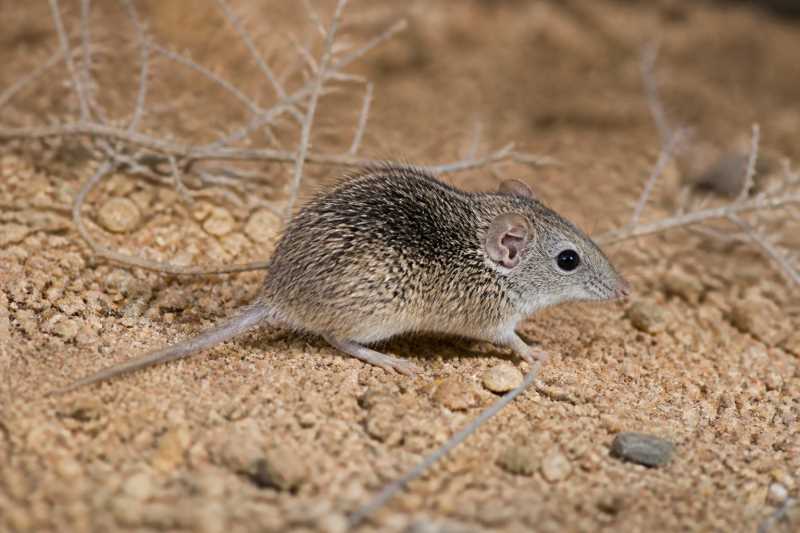
The Southern African Spiny Mouse is a small rodent, typically measuring between 12 to 16 centimeters in length, with a tail that adds another 10 to 14 centimeters. One of the most distinctive features of this species is its spiny fur, which consists of stiff, spine-like hairs intermixed with softer fur. This adaptation serves as a protective mechanism against predators. The spiny mouse’s dorsal side displays a mix of brown and gray hues, providing effective camouflage in its natural environment, while the underbelly is generally lighter, often white or cream in color.
The head of the Southern African Spiny Mouse is characterized by large, rounded ears and prominent dark eyes, which enhance its sensory perception. Its limbs are relatively short, with strong, clawed feet adapted for digging and climbing. Overall, the Southern African Spiny Mouse is a well-adapted survivor, equipped with features that enable it to thrive in diverse environments.
Range and Habitat
The Southern African Spiny Mouse is predominantly found in southern Africa, with its range extending across several countries, including South Africa, Zimbabwe, Mozambique, Botswana, and Namibia. It favors dry, rocky areas where it can take advantage of crevices and boulders for shelter and protection.
This species is highly adaptable and can be found in a variety of habitats, from savannas and scrublands to semi-arid regions. The spiny mouse tends to avoid dense forests and wetlands, preferring open spaces where its agility and speed can be leveraged to escape predators. Its ability to thrive in harsh, arid environments makes it a resilient species, capable of enduring significant fluctuations in climate and resource availability.
Behavior and Diet
The Southern African Spiny Mouse is primarily nocturnal, spending the day concealed in rocky crevices or burrows to avoid the heat and predators. At night, it emerges to forage for food, using its keen senses of smell and hearing to locate sustenance. This species is omnivorous, with a diet that includes seeds, fruits, insects, and small invertebrates. Its preference for a varied diet allows it to adapt to seasonal changes in food availability.
Socially, the Southern African Spiny Mouse is known to exhibit interesting behaviors such as communal nesting and cooperative care of young. These rodents often live in small groups, which helps them protect against predators and increase their chances of survival. Communication among individuals is facilitated through vocalizations and scent markings, which play a crucial role in maintaining social structures and territories.
Identification Tips (field recognition cues)
Identifying the Southern African Spiny Mouse in the field can be challenging due to its elusive nature and nocturnal habits. However, several key characteristics can aid in recognition:
- Spiny Fur: The presence of stiff, spine-like hairs mixed with softer fur is a distinctive feature that sets this species apart from other rodents.
- Size and Shape: Its small size, coupled with a relatively long tail, is a notable attribute.
- Coloration: The combination of brown and gray on the dorsal side with a lighter underbelly provides effective camouflage.
- Behavior: Observing nocturnal activity and foraging behavior at night can indicate the presence of this species.
- Habitat: Look for these mice in rocky, semi-arid environments where they can use natural crevices for shelter.
Conservation Status (with threats and protections)
The Southern African Spiny Mouse is currently listed as Least Concern by the International Union for Conservation of Nature (IUCN). Despite its relatively stable population, certain threats could impact its future survival. Habitat loss due to agricultural expansion, urbanization, and mining activities poses significant challenges, as these developments can lead to fragmentation of its natural habitat.
In addition to habitat destruction, the introduction of invasive species and climate change are emerging threats that could alter the ecological balance in the regions where the spiny mouse resides. Conservation efforts aimed at protecting natural habitats and promoting sustainable land use are crucial to ensuring the long-term survival of this species.
Frequently Asked Questions
What are the unique adaptations of the Southern African Spiny Mouse?
The Southern African Spiny Mouse possesses several unique adaptations, including spiny fur for protection, nocturnal habits to avoid predators, and a diverse diet that allows it to thrive in varying environmental conditions.
Where can I find the Southern African Spiny Mouse?
The Southern African Spiny Mouse is predominantly found in southern Africa, inhabiting countries such as South Africa, Zimbabwe, Mozambique, Botswana, and Namibia. It prefers dry, rocky areas where it can utilize natural crevices for shelter.
How does the Southern African Spiny Mouse communicate?
Communication among Southern African Spiny Mice involves vocalizations and scent markings. These methods are used to maintain social structures, establish territories, and facilitate interactions within groups.
Is the Southern African Spiny Mouse endangered?
Currently, the Southern African Spiny Mouse is classified as Least Concern by the IUCN. However, habitat loss and other environmental changes pose potential threats to its population.
What does the Southern African Spiny Mouse eat?
As an omnivore, the Southern African Spiny Mouse has a varied diet that includes seeds, fruits, insects, and small invertebrates, allowing it to adapt to seasonal changes in food availability.
Related posts