Introduction
Budin’s Grass Mouse, scientifically known as Akodon budini, is a small rodent species belonging to the family Cricetidae. This elusive mammal is primarily found in South America and has intrigued researchers and wildlife enthusiasts alike due to its unique adaptations and ecological role. As a species that thrives in high-altitude regions, Budin’s Grass Mouse showcases fascinating evolutionary traits that enable its survival in such challenging environments. This article delves into the various aspects of Budin’s Grass Mouse, including its physical characteristics, habitat preferences, behavior, diet, and conservation status.
Physical Description
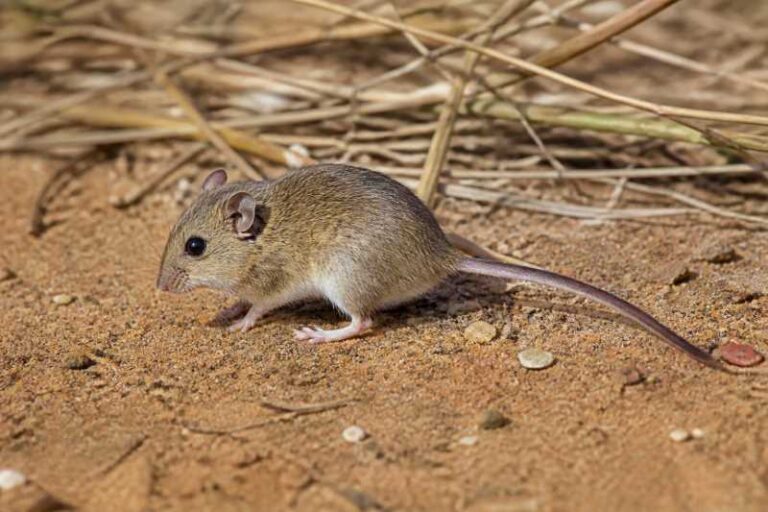
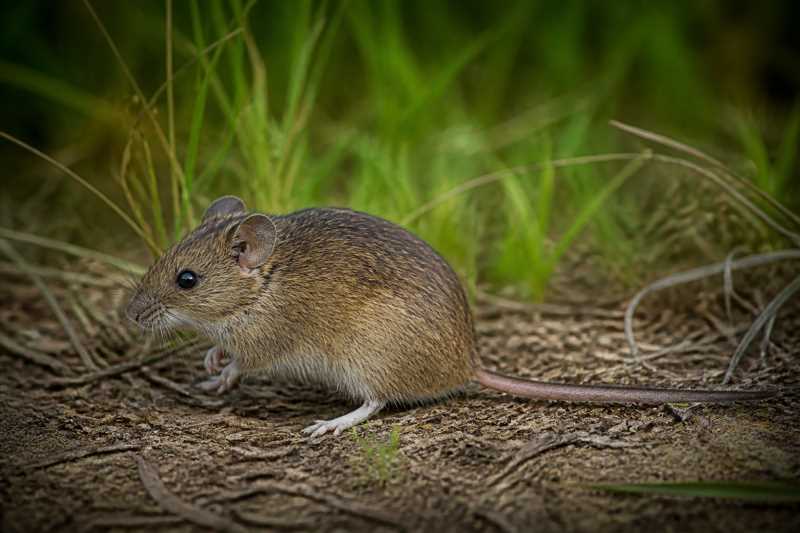
Budin’s Grass Mouse is a small mammal characterized by its compact body, short limbs, and a long tail. Typically, an adult Akodon budini measures about 8 to 12 centimeters in body length, with the tail adding another 6 to 10 centimeters. The mouse has a dense and soft fur coat, which is primarily brown or gray in color, providing excellent camouflage against the rocky terrains and grasslands it inhabits.
Its fur exhibits subtle color variations that depend on the specific geographic location and environmental conditions. The ventral side of the mouse is usually lighter, with hues ranging from off-white to pale gray. Budin’s Grass Mouse possesses small, rounded ears and a pointed snout, features that are typical of the rodents in its genus.
The dental structure of Budin’s Grass Mouse is adapted to its herbivorous diet, with sharp incisors that are constantly growing, enabling the mouse to gnaw on various plant materials. The feet are equipped with small claws, aiding in digging and climbing, which are vital activities for its survival.
Range and Habitat
Budin’s Grass Mouse predominantly inhabits the Andean regions of Argentina and Bolivia. It is typically found at elevations ranging from 2,000 to over 4,000 meters above sea level. These high-altitude regions offer a unique set of environmental conditions, including cooler temperatures and reduced oxygen levels, challenging the survival of many species.
The preferred habitats of Akodon budini include grasslands, shrublands, and rocky outcrops, where it can find ample food resources and shelter. The mouse is well-adapted to the harsh conditions of these environments, and its fur provides necessary insulation against cold temperatures. These habitats also offer protection from predators, as the mouse can easily hide among rocks and dense vegetation.
Behavior and Diet
Budin’s Grass Mouse is primarily nocturnal, meaning it is most active during the night when it forages for food. This behavior helps minimize the risk of predation and reduces competition for resources with diurnal species. The mouse exhibits solitary behavior, although it may occasionally be seen in small groups, especially during breeding seasons.
The diet of Budin’s Grass Mouse is mainly herbivorous, consisting of seeds, grains, fruits, and leaves. It may also consume small insects and other invertebrates, contributing to its dietary flexibility. This omnivorous tendency is crucial for survival in the variable and often sparse high-altitude environments.
Budin’s Grass Mouse plays a significant role in its ecosystem by helping to disperse seeds and serving as prey for various predators, including birds of prey and small carnivorous mammals.
Identification Tips (Field Recognition Cues)
Identifying Budin’s Grass Mouse in the wild requires attention to specific physical and behavioral cues:
- Size and Shape: Look for a small rodent with a body length of 8-12 cm and a tail measuring 6-10 cm.
- Fur Color: Note the brown or gray fur with a lighter ventral side, which provides camouflage in grassland and rocky habitats.
- Activity Patterns: Observe nocturnal activity patterns; the mouse is mostly active at night.
- Habitat: Focus on high-altitude regions (2,000-4,000 m) in the Andes, particularly rocky and grassy areas.
- Behavior: Look for solitary or small group behaviors, especially during breeding seasons.
Conservation Status (with Threats and Protections)
As of the latest assessments, Budin’s Grass Mouse is not classified as endangered, but it faces several threats that could impact its population stability. Habitat destruction due to agriculture, mining, and urban expansion poses significant risks to its natural environments. Additionally, climate change may alter the high-altitude ecosystems, affecting the availability of food and shelter.
Conservation efforts for Budin’s Grass Mouse include habitat protection and monitoring of its populations. Protected areas in the Andes help preserve crucial habitats, while research initiatives aim to better understand the ecological needs and population dynamics of this species. Continued conservation measures are essential to ensure the long-term survival of Budin’s Grass Mouse.
Frequently Asked Questions
1. What is Budin’s Grass Mouse’s scientific name?
The scientific name for Budin’s Grass Mouse is Akodon budini. It belongs to the family Cricetidae and is native to South America.
2. Where can Budin’s Grass Mouse be found?
Budin’s Grass Mouse is primarily found in the Andean regions of Argentina and Bolivia, inhabiting high-altitude grasslands, shrublands, and rocky areas.
3. What does Budin’s Grass Mouse eat?
The diet of Budin’s Grass Mouse is mainly herbivorous, consisting of seeds, grains, fruits, and leaves. It may also consume small insects and other invertebrates.
4. How does Budin’s Grass Mouse adapt to its environment?
Budin’s Grass Mouse has several adaptations for high-altitude survival, including a dense fur coat for insulation, nocturnal activity to avoid predators, and a flexible diet to cope with food scarcity.
5. Is Budin’s Grass Mouse endangered?
Currently, Budin’s Grass Mouse is not classified as endangered. However, it faces threats from habitat destruction and climate change, which necessitate ongoing conservation efforts.
Related posts