Introduction
Osgood’s Horseshoe Bat, scientifically known as Rhinolophus osgoodi, is a fascinating yet lesser-known species in the expansive Rhinolophidae family. Named after the renowned American zoologist Wilfred Hudson Osgood, this species of horseshoe bat is distinguished by its unique echolocation capabilities and distinct physical features. Despite its intriguing biological characteristics, Osgood’s Horseshoe Bat remains relatively understudied, primarily due to its elusive nature and limited range.
Bats, in general, are vital components of ecosystems across the globe, serving critical roles as pollinators, seed dispersers, and pest controllers. As a part of this group, the Osgood’s Horseshoe Bat contributes to the biodiversity and ecological balance within its habitat. Understanding its life history, ecological role, and conservation status is essential for preserving its populations and the habitats they occupy.
Physical Description
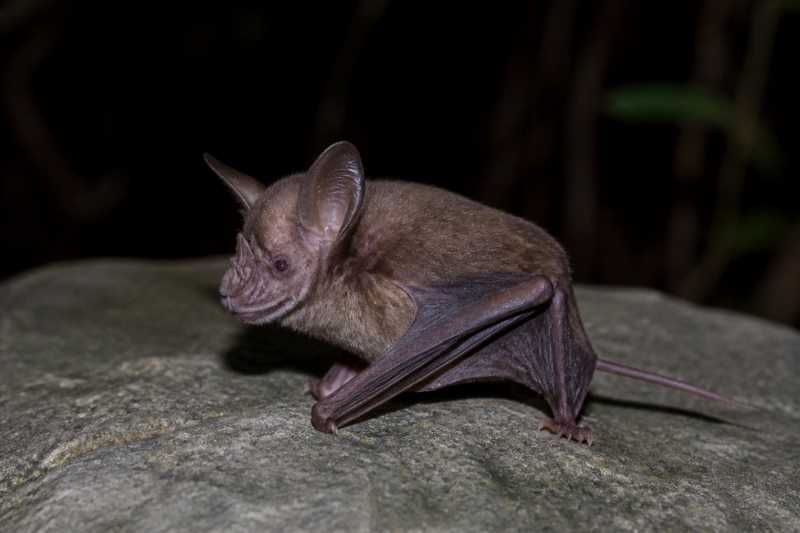
Osgood’s Horseshoe Bat is characterized by its medium size compared to other species in the Rhinolophus genus. These bats have a distinctive noseleaf structure, which is essential for their echolocation abilities. The noseleaf is shaped like a horseshoe, a feature that not only lends the group its common name but also plays a critical role in their navigation and foraging activities.
Adults typically possess a dense fur coat, which varies in color from brown to a greyish hue, providing camouflage against the rocky or forested environments they inhabit. The wings are relatively broad, aiding in their maneuverability during flight. Their ears are large and rounded, enhancing their ability to detect sound waves, while their eyes are small, indicating a greater reliance on echolocation over visual cues.
Range and Habitat
Osgood’s Horseshoe Bat is primarily found in Southeast Asia, with confirmed sightings across parts of Vietnam, Laos, and potentially extending into neighboring regions. These bats favor limestone karst landscapes, which provide an abundance of caves and crevices ideal for roosting.
The species is known to occupy both lowland and montane forests, often at elevations ranging from 500 to 1,500 meters above sea level. The availability of suitable roosting sites and foraging grounds rich in insect prey are critical factors influencing their distribution. Conservation of these habitats is crucial for the survival of Osgood’s Horseshoe Bat, as they are highly sensitive to environmental changes.
Behavior and Diet
Osgood’s Horseshoe Bats are nocturnal creatures, emerging at dusk to embark on their nightly foraging expeditions. They primarily feed on a variety of insects, including moths, beetles, and flies, which they capture mid-flight using their agile flying skills and acute echolocation.
Socially, these bats exhibit roosting behavior in small to medium-sized colonies, often sharing space with other bat species. Their communication involves a series of ultrasonic calls, which serve not only in echolocation but also in social interactions within the colony.
Identification Tips
Field identification of Osgood’s Horseshoe Bat can be challenging due to its elusive nature and the similarity it shares with other horseshoe bat species. However, there are several key features that can aid in accurate identification:
- Noseleaf Structure: Look for the characteristic horseshoe-shaped noseleaf, which is distinctively broad and rounded.
- Fur Coloration: Note the color of the fur, which typically ranges from brown to grey, providing camouflage in their natural habitat.
- Flight Pattern: Observe their flight, which is often slow and deliberate, allowing for efficient maneuvering through dense forest or cave environments.
- Echolocation Calls: Utilize bat detectors to identify species-specific echolocation frequencies, which are crucial for distinguishing them from sympatric species.
Conservation Status
The conservation status of Osgood’s Horseshoe Bat is currently listed as Data Deficient by the International Union for Conservation of Nature (IUCN). This classification highlights the need for further research to accurately assess population trends and threats.
Threats
- Habitat Loss: Deforestation and land conversion for agriculture and urban development pose significant threats to their natural habitats.
- Cave Disturbance: Human activities such as tourism and mining can disturb roosting sites, leading to a decline in bat populations.
- Climate Change: Alterations in climate patterns can impact the availability of prey and suitable roosting conditions.
Protections
Efforts to conserve Osgood’s Horseshoe Bat include the establishment of protected areas that safeguard critical habitats. Additionally, raising awareness about the ecological importance of bats and promoting responsible ecotourism can help mitigate some of the pressures faced by this species.
Frequently Asked Questions
What is Osgood’s Horseshoe Bat known for?
Osgood’s Horseshoe Bat is known for its distinctive horseshoe-shaped noseleaf, which is integral to its sophisticated echolocation capabilities. This feature allows the bat to efficiently navigate and forage in its environment.
How can I identify Osgood’s Horseshoe Bat in the field?
Identification can be aided by observing the bat’s unique noseleaf structure, fur coloration, and flight patterns. Using a bat detector to listen for species-specific echolocation calls is also effective.
Where can Osgood’s Horseshoe Bat be found?
This species is primarily located in limestone karst regions of Southeast Asia, particularly within Vietnam and Laos, favoring habitats that provide ample roosting and foraging opportunities.
What threats does Osgood’s Horseshoe Bat face?
Major threats include habitat destruction due to deforestation and agricultural expansion, disturbance of roosting sites by human activities, and climate change impacts on their ecosystem.
Are there conservation efforts in place for Osgood’s Horseshoe Bat?
Yes, conservation efforts include the creation of protected areas and initiatives to raise awareness about the ecological roles of bats, alongside promoting sustainable land use practices to preserve their habitats.
Related posts