Introduction
The Otro Cerro Pericote, scientifically known as Graomys edithae, is a small rodent species belonging to the family Cricetidae. This fascinating mammal is a crucial part of the ecosystems it inhabits, serving as both prey and, in some cases, a seed disperser. Understanding the Otro Cerro Pericote’s characteristics, behaviors, and conservation status is essential for both scientific communities and conservationists aiming to preserve biodiversity.
Physical Description
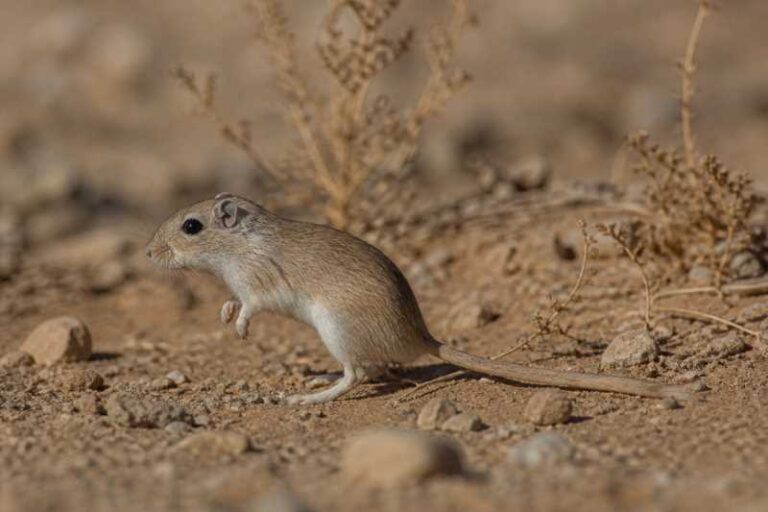
The Otro Cerro Pericote is relatively small, with an average length ranging from 10 to 15 centimeters, excluding the tail which can add an additional 8 to 12 centimeters. Its fur is typically a mix of gray and brown hues, providing excellent camouflage against the rocky and grassy terrains it frequents. The underbelly is lighter, often displaying a creamy white or pale gray color. The ears are moderately large, aiding in acute hearing, which is vital for detecting predators.
The limbs of the Otro Cerro Pericote are adapted for both climbing and burrowing, with sharp claws that facilitate these activities. Their eyes are large and black, indicative of a nocturnal lifestyle, and their whiskers are long, helping them navigate through their environment.
Range and Habitat
The Otro Cerro Pericote is endemic to specific regions in South America, particularly in the montane forests and grasslands of Argentina. Their habitat is typically characterized by rugged terrains with abundant vegetation and rock formations, which provide both food sources and shelter.
This species thrives in areas where human activity is minimal, although some populations have been observed near agricultural lands where they can find food more readily. The adaptability of the Otro Cerro Pericote to different altitudes and its ability to exploit various ecological niches is remarkable, although it also faces threats from habitat destruction and climate change.
Behavior and Diet
Primarily nocturnal, the Otro Cerro Pericote is most active during the night when it forages for food. Their diet mainly consists of seeds, fruits, and occasionally insects, making them omnivorous. This dietary flexibility allows them to adapt to seasonal changes in food availability.
Social structures in Otro Cerro Pericote populations are not extensively studied, but they are generally believed to be solitary or to live in small family groups. Communication among these rodents includes a range of vocalizations and scent markings, crucial for mating and territory establishment.
Identification Tips (Field Recognition Cues)
Identifying the Otro Cerro Pericote in the wild involves observing several key characteristics:
- Fur Color: Look for the distinctive gray-brown upper body and lighter underbelly.
- Size: Note the small size with a relatively long tail.
- Behavior: Active primarily at night, so sightings are more likely in the early evening or night.
- Habitat: Found in rocky and grassy areas with dense vegetation.
- Sound: Listen for their soft vocalizations during the night.
Conservation Status (With Threats and Protections)
The conservation status of the Otro Cerro Pericote is currently listed as "Least Concern" by the International Union for Conservation of Nature (IUCN). However, this does not mean the species faces no threats. Habitat loss due to agricultural expansion and urbanization is a significant concern. Additionally, climate change poses a long-term threat by altering their natural habitats.
To protect this species, conservation efforts focus on habitat preservation and environmental education. Protected areas in Argentina play a crucial role in maintaining stable populations, and ongoing research is essential to monitor their status and adapt conservation strategies as needed.
Frequently Asked Questions
Why is this species unique?
The Otro Cerro Pericote is unique due to its adaptability to diverse habitats and altitudes in South America. Its role in the ecosystem as both a prey species and a seed disperser highlights its ecological importance.
What are the main threats to the Otro Cerro Pericote?
The primary threats include habitat destruction due to agricultural expansion and urban development, as well as the impacts of climate change, which can alter their natural habitats and food sources.
How can I help in the conservation of this species?
Supporting local and international conservation organizations, promoting habitat preservation, and spreading awareness about the importance of biodiversity are effective ways to contribute to the conservation of the Otro Cerro Pericote.
What does the Otro Cerro Pericote eat?
Their diet primarily consists of seeds and fruits, supplemented by insects. This omnivorous diet allows them to adapt to different environmental conditions and food availabilities.
Are there any conservation programs specifically for this species?
While there are no specific programs solely targeting the Otro Cerro Pericote, they benefit from broader conservation initiatives aimed at preserving the montane ecosystems of Argentina where they reside.
Related posts