Introduction
Brass’s Brush Mouse, scientifically known as Pogonomelomys brassi, is a lesser-known species of rodent found in the diverse ecosystems of New Guinea. This elusive mammal plays an integral role in its habitat, contributing to the ecological balance through its activities. As a member of the Muridae family, Brass’s Brush Mouse shares its lineage with other rodents but stands out due to its unique adaptations and lifestyle. This article explores the fascinating world of Brass’s Brush Mouse, delving into its physical characteristics, habitat preferences, behavior, and conservation status.
Physical Description
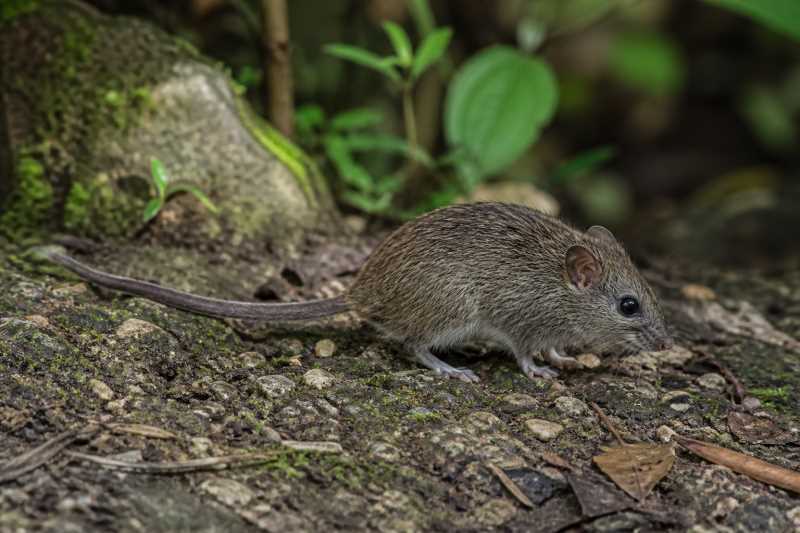
Brass’s Brush Mouse is a small-sized rodent characterized by its distinctive physical features that adapt it to its forested environment. The average body length of this species ranges from 10 to 15 centimeters, while its tail, often longer than the body, measures about 16 to 20 centimeters. This long tail aids in balancing and maneuvering through the dense underbrush of its native habitat.
The fur of Brass’s Brush Mouse is soft and dense, primarily brown with a mix of gray and white underparts, providing effective camouflage against the forest floor’s dappled light and shadows. The ears are relatively small and rounded, while the eyes are large, enhancing its nocturnal lifestyle by improving night vision. Whiskers are long and sensitive, aiding in navigation and foraging in the dark.
Range and Habitat
Brass’s Brush Mouse is endemic to New Guinea, an island known for its rich biodiversity and varied climates. This species predominantly inhabits the tropical and subtropical moist broadleaf forests, thriving in altitudes ranging from lowland areas to mountainous regions up to 2,000 meters above sea level.
The dense understory of these forests provides both ample food resources and protection from predators. The mouse is particularly fond of areas with thick leaf litter and fallen logs, which offer shelter and nesting sites. Its ability to adapt to varying altitudinal zones reflects its resilience, yet its specialized habitat requirements make it vulnerable to environmental changes.
Behavior and Diet
Brass’s Brush Mouse is primarily nocturnal, spending its nights foraging for food and its days resting in burrows or nests hidden within the forest underbrush. Socially, it is a solitary animal, with interactions between individuals mainly occurring during the breeding season.
The diet of Pogonomelomys brassi is omnivorous but leans heavily towards seeds, fruits, and small invertebrates. This dietary flexibility allows it to exploit various food sources, reducing competition with other sympatric rodent species. It plays a crucial role in seed dispersal, thus contributing to forest regeneration.
Identification Tips (Field Recognition Cues)
Identifying Brass’s Brush Mouse in the field requires careful observation of several key features:
- Size and Shape: Look for a small rodent with a body length of 10-15 cm and a tail longer than the body.
- Fur Coloration: Note the brown fur with gray and white underparts, which provides camouflage.
- Tail: A distinctly long tail, often as long as 20 cm, helps in distinguishing it from other rodents.
- Behavior: Active primarily at night, so sightings are more likely during dusk or nighttime.
- Habitat: Found in dense forests with ample leaf litter, often at varying elevations.
Conservation Status (with Threats and Protections)
The conservation status of Brass’s Brush Mouse is currently listed as Least Concern by the International Union for Conservation of Nature (IUCN). However, this does not imply that the species faces no threats. Habitat destruction due to logging, agricultural expansion, and human settlement encroachment poses significant risks to its survival.
Moreover, climate change impacts, such as altering precipitation patterns and increasing temperatures, could further threaten its habitat. Conservation efforts focused on preserving forested areas and promoting sustainable land use practices are vital for maintaining the populations of Brass’s Brush Mouse.
Protected areas within New Guinea offer some refuge, but ongoing monitoring and research are necessary to ensure the species’ long-term survival.
Frequently Asked Questions
1. What is the natural habitat of Brass’s Brush Mouse?
Brass’s Brush Mouse naturally inhabits the tropical and subtropical moist broadleaf forests of New Guinea. It is adapted to live in a range of altitudinal zones, from lowland areas to mountainous regions up to 2,000 meters in elevation. The thick underbrush and leaf litter of these forests provide essential shelter and food resources.
2. How does Brass’s Brush Mouse contribute to its ecosystem?
As an omnivorous rodent, Brass’s Brush Mouse plays a critical role in its ecosystem by participating in seed dispersal, which aids in forest regeneration. Its diet includes seeds, fruits, and small invertebrates, making it an integral part of the forest food web.
3. What are the main threats to Brass’s Brush Mouse?
The primary threats to Brass’s Brush Mouse include habitat destruction due to logging activities, agricultural expansion, and the encroachment of human settlements. Additionally, climate change poses a risk by altering its natural habitat conditions.
4. When is the best time to observe Brass’s Brush Mouse in the wild?
Observing Brass’s Brush Mouse is best attempted during dusk or nighttime due to its nocturnal activity patterns. It is more likely to be active and foraging during these times, making sightings more probable.
5. Are there any conservation measures in place for Brass’s Brush Mouse?
Yes, there are conservation measures in place, including the establishment of protected areas within New Guinea that provide a refuge for the species. However, more efforts are needed to address habitat destruction and promote sustainable land use practices.
Related posts