The Australian Smoky Mouse (Pseudomys fumeus): An In-Depth Look
Introduction
The Australian Smoky Mouse, scientifically known as Pseudomys fumeus, is a fascinating mammal species native to the diverse landscapes of Australia. Unfortunately, this nocturnal rodent is relatively unknown to the general public, despite its intriguing behaviors and unique adaptations. In this article, we delve into the various aspects of the Smoky Mouse, from its physical characteristics to its conservation status, aiming to shed light on this elusive creature and highlight the importance of its preservation.
Physical Description
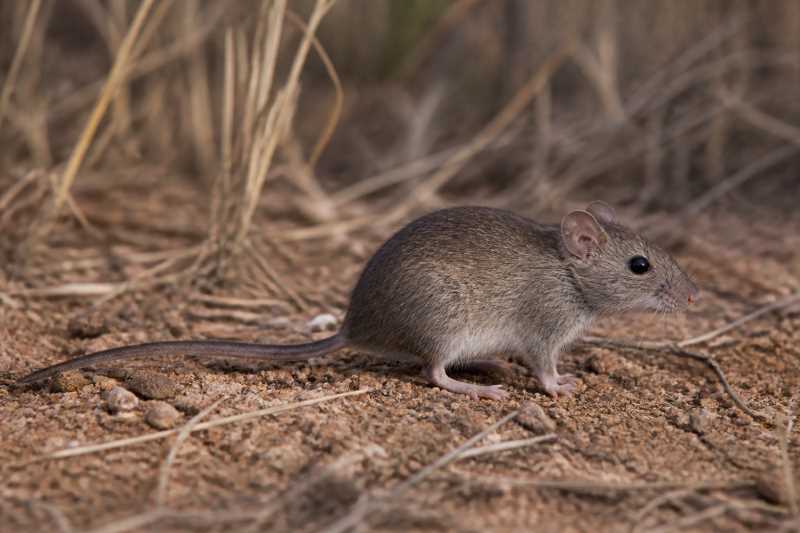
The Smoky Mouse is a small rodent, measuring approximately 75 to 90 millimeters in body length, with a tail that extends an additional 80 to 100 millimeters. Weighing between 20 to 25 grams, this mouse is characterized by its soft, dense fur, which ranges in color from a smoky grey to brownish hue, providing excellent camouflage against the forest floor. Its underbelly is typically lighter, often appearing white or cream. Notably, the Smoky Mouse has large, rounded ears and a pointed snout, features that are common among nocturnal species as they aid in sound detection and navigation in low-light environments.
Range and Habitat
The distribution of the Smoky Mouse is limited to certain regions in southeastern Australia, primarily within the states of Victoria, New South Wales, and the Australian Capital Territory. These mice inhabit montane and subalpine environments, often found in heathlands, forests, and woodlands. They exhibit a preference for areas with dense undergrowth, which provides shelter and ample food resources. The Smoky Mouse typically resides at elevations ranging from 300 to 1,800 meters, where temperatures are cooler and humidity levels are higher, conditions that are conducive to their survival.
Behavior and Diet
The Smoky Mouse is predominantly nocturnal, spending the daylight hours hidden in burrows or dense vegetation. At night, it emerges to forage for food. Its diet is omnivorous, consisting of seeds, fruits, fungi, and small invertebrates. The species is known to have a particular fondness for truffles, which are abundant in its habitat. This dietary preference plays a crucial role in the ecosystem as the mice assist in the dispersal of fungal spores, promoting forest health.
Socially, Smoky Mice are relatively solitary, though they may occasionally be found in small groups. They communicate through scent markings and vocalizations, which aid in territory establishment and mate attraction. Breeding occurs primarily in the spring and summer months, with females producing litters of up to four young after a gestation period of approximately 30 days.
Identification Tips (Field Recognition Cues)
Identifying the Smoky Mouse in its natural habitat can be challenging due to its elusive nature and nocturnal habits. However, several field recognition cues can assist observers:
- Fur Coloration: Look for the distinctive smoky grey to brown fur, which contrasts with the lighter underbelly.
- Tail Length: The tail is typically longer than the body, often covered in fine hairs.
- Ear and Snout Features: Large, rounded ears and a pointed snout are characteristic identifiers.
- Habitat: Search in dense undergrowth of heathlands and forests at elevations between 300 to 1,800 meters.
- Footprints and Droppings: Small footprints and pellet-like droppings may indicate the presence of Smoky Mice in the area.
Conservation Status (With Threats and Protections)
The Australian Smoky Mouse is classified as ‘Endangered’ on the IUCN Red List, with its population declining due to several factors. Habitat loss is a primary threat, driven by land clearing for agriculture, urban development, and forestry. Additionally, climate change poses a significant risk, altering the delicate balance of their montane ecosystems.
Predation by introduced species such as foxes and feral cats further exacerbates the threats to the Smoky Mouse population. Conservation efforts are underway to mitigate these threats, including habitat restoration, predator control programs, and research initiatives to better understand the species’ ecology and behavior.
Several protected areas have been established to safeguard critical habitats, and ongoing monitoring is essential to ensure the effectiveness of these conservation strategies.
Frequently Asked Questions
What is the diet of the Australian Smoky Mouse?
The Australian Smoky Mouse has an omnivorous diet, primarily consisting of seeds, fruits, fungi, and small invertebrates. It is especially fond of truffles, which play a key role in its diet and in the dispersal of fungal spores within its habitat.
How can you identify a Smoky Mouse in the wild?
To identify a Smoky Mouse, look for its distinctive smoky grey to brown fur, lighter underbelly, long tail, large ears, and pointed snout. It is typically found in dense vegetation within heathlands and forests at elevations of 300 to 1,800 meters.
What are the main threats to the Smoky Mouse population?
The primary threats to the Smoky Mouse include habitat loss due to land clearing, climate change, and predation by introduced species such as foxes and feral cats. Conservation efforts focus on habitat restoration and predator control.
Are there any conservation programs for the Smoky Mouse?
Yes, several conservation programs are in place to protect the Smoky Mouse, including habitat restoration projects, predator control initiatives, and research efforts to better understand the species and implement effective conservation strategies.
Why is the Smoky Mouse important to its ecosystem?
The Smoky Mouse plays a crucial role in its ecosystem by aiding in the dispersal of fungal spores, particularly truffles, which are vital for forest health. This role underscores the importance of its conservation.
Related posts