Introduction
The Australian Swamp Rat, scientifically known as Rattus lutreolus, is a fascinating and unique rodent species native to the diverse landscapes of Australia. This small mammal is a critical component of its ecosystem, playing a vital role in the food chain and contributing to the ecological balance of its habitat. The Swamp Rat is distinguished by its adaptability to wetland environments, making it an interesting subject for study in terms of evolutionary biology and conservation efforts. This article delves into the various aspects of the Australian Swamp Rat, including its physical characteristics, habitat preferences, behavior, and the challenges it faces in the wild.
Physical Description
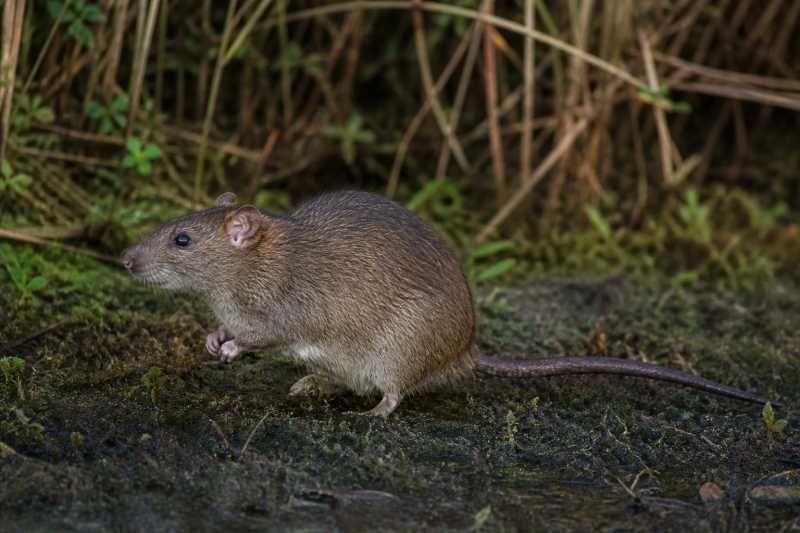
The Australian Swamp Rat is a medium-sized rodent characterized by its robust build and distinctive fur. Adult Swamp Rats typically measure between 14 to 20 centimeters in body length, with a tail that adds an additional 10 to 15 centimeters. The species exhibits sexual dimorphism, with males generally being larger than females.
Their fur is dense and waterproof, an adaptation to their swampy habitats. The coloration of their fur ranges from dark brown to black on the dorsal side, with a paler, often grayish underbelly. This coloration provides effective camouflage against the muddy and vegetative environments they inhabit. Their ears are round and relatively small, while their eyes are beady and well-suited for their predominantly nocturnal lifestyle. The Swamp Rat’s strong, sharp claws are perfect for digging and foraging through wetland soils.
Range and Habitat
The Australian Swamp Rat is predominantly found along the eastern and southeastern coastlines of Australia, with its range extending from southern Queensland through New South Wales and Victoria, down to Tasmania. It thrives in wetland habitats, including swamps, marshes, and the fringes of freshwater lakes and rivers. These environments provide the dense vegetation cover and moist soil conditions that are ideal for the species.
Swamp Rats are also adaptable to secondary habitats such as damp grasslands and heathlands. However, their preference for wetlands makes them particularly vulnerable to habitat destruction caused by human activities such as agriculture, urban development, and drainage of wetlands for land reclamation.
Behavior and Diet
The Australian Swamp Rat is primarily nocturnal, spending its nights foraging for food and its days resting in burrows or dense vegetation. They are social creatures, often found in small groups or family units. Communication among Swamp Rats is facilitated through vocalizations, scent markings, and physical gestures.
Their diet is predominantly herbivorous, consisting of grasses, seeds, roots, and other plant material. Swamp Rats also consume insects and other small invertebrates, which provide a necessary protein supplement to their diet. This opportunistic feeding behavior allows them to adapt to seasonal changes in food availability.
Identification Tips (Field Recognition Cues)
Identifying the Australian Swamp Rat in the field can be a rewarding experience for wildlife enthusiasts and researchers. Here are some key identification tips:
- Size and Shape: Look for a medium-sized rodent with a robust body and a long, moderately thick tail.
- Fur Coloration: Note the dark brown to black fur on the back and the lighter grayish underbelly.
- Habitat: Swamp Rats are typically found in wetland environments. Observing these areas during dawn or dusk increases the likelihood of a sighting.
- Behavior: Look for signs of burrowing activity and listen for their vocalizations during the night.
- Tracks and Droppings: Swamp Rat tracks are small and may be found near water sources, while their droppings are cylindrical and about 1 cm long.
Conservation Status (with Threats and Protections)
The conservation status of the Australian Swamp Rat is currently classified as Least Concern by the International Union for Conservation of Nature (IUCN). However, they face several threats that could impact their populations in the future.
Threats
- Habitat Destruction: Urban expansion, agricultural activities, and wetland drainage are significant threats to their natural habitats, leading to habitat fragmentation and loss.
- Predation: Introduced predators such as cats and foxes pose a significant threat to Swamp Rat populations.
- Climate Change: Alterations in rainfall patterns and rising temperatures can affect wetland ecosystems, impacting the availability and quality of their habitats.
Protections
Conservation efforts for the Australian Swamp Rat include habitat preservation and restoration projects. Wetland protection initiatives and the establishment of conservation reserves are crucial in safeguarding their habitats.
Frequently Asked Questions
What is the preferred habitat of the Australian Swamp Rat?
The Australian Swamp Rat prefers wetland habitats, including swamps and marshes, where they thrive in dense vegetation and moist soil conditions.
How can I identify an Australian Swamp Rat in the wild?
Look for a medium-sized rodent with dark brown to black fur on its back, a lighter underbelly, and a preference for swampy areas. They are most active at night.
What is the diet of the Australian Swamp Rat?
The diet of the Australian Swamp Rat primarily consists of grasses, seeds, roots, and small invertebrates, making them largely herbivorous with some opportunistic feeding on insects.
Are Australian Swamp Rats endangered?
No, the Australian Swamp Rat is currently classified as Least Concern, but they face threats from habitat destruction and introduced predators.
How do Australian Swamp Rats contribute to their ecosystem?
Swamp Rats play a crucial role in their ecosystem by aiding in seed dispersal, soil aeration through burrowing, and serving as prey for larger predators.
Related posts