Introduction
The Gansu Jumping Mouse (Eozapus vicinus) is a fascinating and elusive member of the Dipodidae family, known for its remarkable jumping ability and unique adaptations. This small mammal is native to parts of Asia and is most commonly found in the Gansu province of China, which lends the species its common name. Despite its intriguing characteristics, the Gansu Jumping Mouse is not widely known outside of scientific circles, making it a subject of interest for both researchers and wildlife enthusiasts. This article aims to provide a comprehensive overview of the Gansu Jumping Mouse, covering its physical description, habitat, behavior, and conservation status.
Physical Description
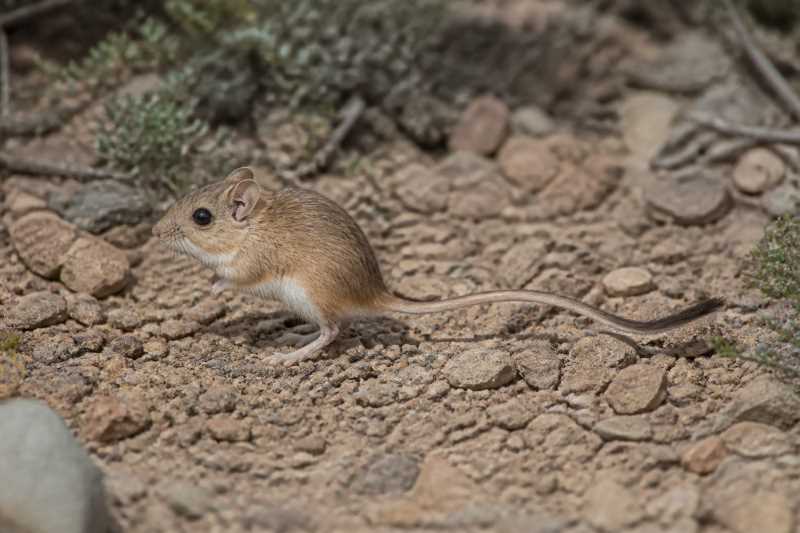
The Gansu Jumping Mouse is a small rodent characterized by its long tail and powerful hind legs, which contribute to its exceptional jumping abilities. Adult Gansu Jumping Mice typically measure between 18 and 22 centimeters in length, with the tail accounting for more than half of this measurement. The tail is slender and covered with short hair, aiding in balance during jumping.
The fur of the Gansu Jumping Mouse is soft and dense, primarily colored in shades of brown and gray, which provides effective camouflage in their natural habitats. The underbelly is lighter, often a creamy white or pale gray. One of the most distinctive features of this species is its large eyes and ears, adaptations that enhance its sensory capabilities in low-light environments.
Range and Habitat
As its name suggests, the Gansu Jumping Mouse is primarily found in the Gansu province of China. However, its range extends to neighboring regions, including parts of Qinghai and Sichuan provinces. The species prefers temperate forested areas and is often found in mountainous regions where it inhabits burrows and nests constructed from grasses and leaves.
The Gansu Jumping Mouse requires environments that offer ample cover and food supply, such as dense undergrowth and forest floors. They are known to thrive in habitats that provide a mixture of open spaces for foraging and dense vegetation for protection from predators.
Behavior and Diet
The Gansu Jumping Mouse is primarily nocturnal, spending the daylight hours in its burrows or hidden among the thick underbrush. At night, they emerge to forage for food. Their diet predominantly consists of seeds, fruits, and insects. They are known to be opportunistic feeders, adapting their diet based on seasonal availability of food resources.
This species is solitary, with individuals typically maintaining separate territories. However, during the breeding season, which occurs in the warmer months, males and females come together to mate. After a gestation period of around 18 days, females give birth to litters of 2-5 young, which are weaned after approximately three weeks.
Identification Tips
Field recognition of the Gansu Jumping Mouse can be challenging due to its elusive nature and the dense habitats it occupies. However, there are several key characteristics that can aid in identification:
- Size and Shape: Look for a small rodent with a long tail and large hind legs, which are adapted for jumping.
- Fur Color: Note the brown and gray coloration with a lighter underbelly, which provides camouflage.
- Behavior: Observe nocturnal activity patterns and distinctive hopping movements.
- Habitat: Identify areas with dense underbrush and forest floors, which are preferred habitats.
Conservation Status
The Gansu Jumping Mouse is currently classified as "Data Deficient" by the International Union for Conservation of Nature (IUCN). This classification is due to a lack of comprehensive data on the species’ population size and distribution. However, there are several threats that could impact its survival, including habitat loss due to deforestation and human encroachment.
Conservation efforts are focused on habitat protection and further research to better understand the species’ ecology and population dynamics. Protected areas within their known range help mitigate some threats, but continued efforts are needed to ensure their survival.
Frequently Asked Questions
What is the primary diet of the Gansu Jumping Mouse?
The Gansu Jumping Mouse primarily feeds on seeds, fruits, and insects. It is an opportunistic feeder and adapts its diet based on the availability of food resources in its habitat.
How does the Gansu Jumping Mouse move?
The Gansu Jumping Mouse is known for its powerful jumping abilities. It uses its long hind legs to leap significant distances, a movement that is both a means of locomotion and a defense mechanism against predators.
Where can the Gansu Jumping Mouse be found?
This species is found primarily in the Gansu province of China, with its range extending to parts of Qinghai and Sichuan provinces. It inhabits temperate forested areas and mountainous regions.
Is the Gansu Jumping Mouse endangered?
The Gansu Jumping Mouse is currently listed as "Data Deficient" by the IUCN due to a lack of detailed population data. However, habitat loss poses a potential threat to its survival.
What are the key identification features of the Gansu Jumping Mouse?
Key identification features include its small size, long tail, large hind legs, brown and gray fur with a lighter underbelly, and nocturnal behavior characterized by distinctive hopping movements.
Related posts