Introduction
The Lesser Gray-brown White-toothed Shrew (Crocidura silacea) is a fascinating small mammal that inhabits various parts of sub-Saharan Africa. Despite its diminutive size, this shrew plays a significant role in its ecosystem as both a predator and prey. In this comprehensive guide, we explore the various aspects of the Lesser Gray-brown White-toothed Shrew, covering everything from its physical traits to its ecological role.
Physical Description
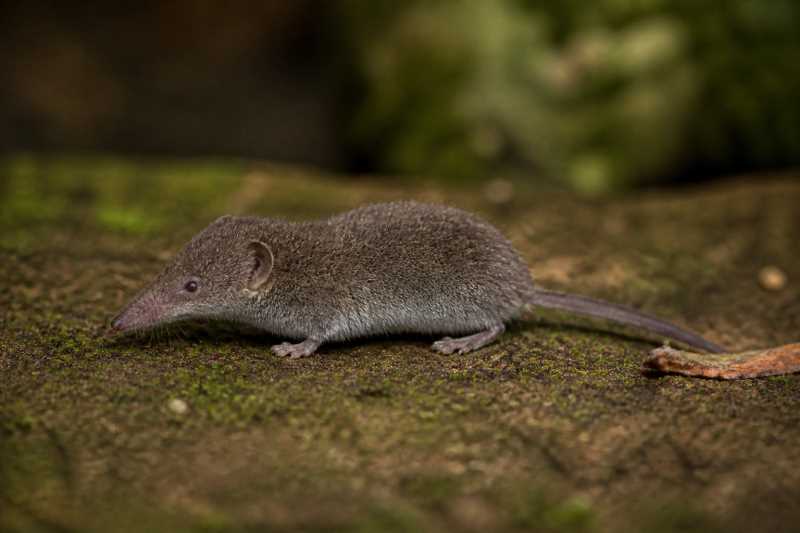
The Lesser Gray-brown White-toothed Shrew is characterized by its small, slender body, which typically measures between 8 to 12 centimeters in length, including the tail. The shrew’s fur is a distinctive gray-brown color, providing excellent camouflage in its natural habitat. Its fur is soft and dense, offering protection against the elements and aiding in thermoregulation.
One of the defining features of this species is its white teeth, which are a common characteristic among white-toothed shrews. These teeth are not only crucial for its diet but also serve as an identifying trait among shrew species. The Lesser Gray-brown White-toothed Shrew has a pointed snout and small, bead-like eyes, which are adapted for its nocturnal lifestyle. Its ears are relatively small but highly sensitive, allowing it to detect the slightest sounds in its environment.
Range and Habitat
The Lesser Gray-brown White-toothed Shrew is predominantly found in sub-Saharan Africa, with its range extending across countries such as Tanzania, Kenya, and Uganda. It thrives in a variety of habitats, including savannas, grasslands, and open woodlands. This adaptability to diverse environments is a testament to its resilience and ecological versatility.
The shrew prefers habitats with dense ground cover, which provides protection from predators and harsh weather conditions. These areas also offer abundant food sources, crucial for the shrew’s high metabolic rate. Despite its preference for specific habitats, the Lesser Gray-brown White-toothed Shrew can occasionally be found in agricultural areas where it can exploit the abundance of insects.
Behavior and Diet
The Lesser Gray-brown White-toothed Shrew is primarily nocturnal, spending its nights foraging for food. Its diet consists mainly of insects and other small invertebrates, making it an essential component of pest control in its ecosystem. The shrew uses its keen sense of smell and hearing to locate prey, often relying on its quick reflexes to capture fast-moving insects.
This species exhibits solitary behavior, with individuals maintaining defined territories that they defend aggressively from intruders. Social interactions are limited to mating periods, during which males and females come together briefly. The shrew’s high metabolic rate necessitates frequent feeding, and it is not uncommon for these shrews to consume their body weight in food each day.
Identification Tips (field recognition cues)
Identifying the Lesser Gray-brown White-toothed Shrew in the field requires attention to specific characteristics:
- Size and Coloration: Look for a small mammal with a body length of 8 to 12 centimeters and gray-brown fur.
- Teeth Color: The presence of white teeth is a distinguishing feature.
- Habitat: Typically found in dense ground cover within savannas, grasslands, and open woodlands.
- Activity Patterns: Mostly active at night, making night surveys more effective.
- Sound: Listen for high-pitched squeaks, which are common vocalizations of this shrew.
Conservation Status (with threats and protections)
The IUCN currently lists the Lesser Gray-brown White-toothed Shrew as a species of Least Concern, indicating that it does not face immediate threats of extinction. However, habitat loss due to agricultural expansion and deforestation poses a significant risk to its populations. Additionally, the use of pesticides in farming can reduce food availability and expose shrews to toxic substances.
Conservation efforts are essential to ensure the long-term survival of this species. Protecting natural habitats and promoting sustainable agricultural practices can mitigate some of the threats faced by the Lesser Gray-brown White-toothed Shrew. Conservation programs aimed at preserving biodiversity in sub-Saharan Africa indirectly benefit this shrew by maintaining the ecological balance of its habitats.
Frequently Asked Questions
1. What is the diet of the Lesser Gray-brown White-toothed Shrew?
The Lesser Gray-brown White-toothed Shrew primarily feeds on insects and small invertebrates. Its diet consists of beetles, spiders, and other arthropods, which it hunts using its acute sense of smell and hearing.
2. Where can the Lesser Gray-brown White-toothed Shrew be found?
This shrew species is found across sub-Saharan Africa, particularly in countries such as Tanzania, Kenya, and Uganda. It inhabits savannas, grasslands, and open woodlands, preferring areas with dense ground cover.
3. How does the Lesser Gray-brown White-toothed Shrew contribute to its ecosystem?
The shrew plays a vital role in controlling insect populations, serving as a natural pest control agent. It is also a prey species for larger predators, contributing to the food web’s balance.
4. What are the main threats to the Lesser Gray-brown White-toothed Shrew?
The primary threats to this species include habitat loss due to agricultural expansion and deforestation, as well as the use of pesticides, which can reduce food availability and expose shrews to harmful chemicals.
5. How can I identify a Lesser Gray-brown White-toothed Shrew in the wild?
Look for a small mammal with gray-brown fur and white teeth. They are typically active at night and can be found in dense ground cover within savannas, grasslands, and woodlands.
Related posts