Introduction
The dibbler (Parantechinus apicalis) is a small carnivorous marsupial belonging to the family Dasyuridae. This species, native to Australia, is known for its elusive nature and unique ecological role in its environment. As a lesser-known member of the Australian wildlife, the dibbler plays a crucial part in the biodiversity of its habitat, yet it remains a subject of conservation concern due to its limited distribution and various environmental threats. This article explores the intriguing aspects of the dibbler, from its physical characteristics to its conservation status, providing a comprehensive overview of this remarkable species.
Physical Description
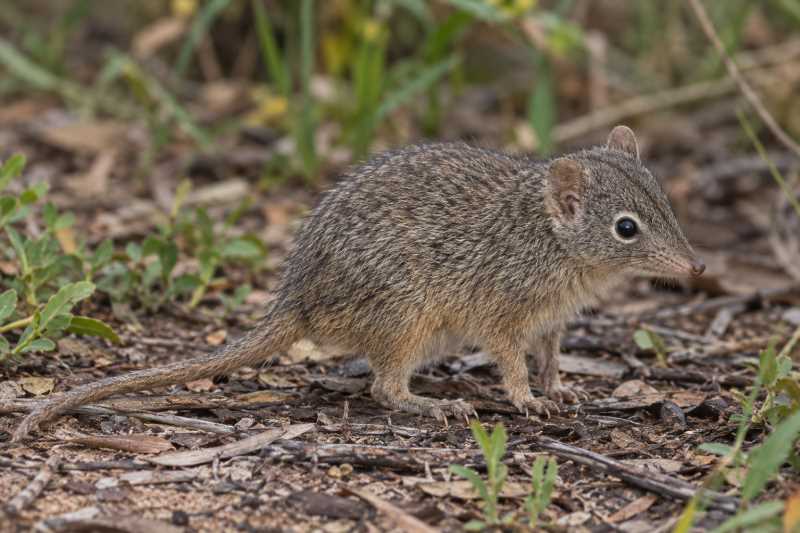
Dibblers are small marsupials with distinctive features that make them stand out among other Australian wildlife. They typically weigh between 40 to 100 grams and measure about 10 to 16 centimeters in body length, with an additional tail length of 7.5 to 12 centimeters. Their fur is predominantly brownish-grey, peppered with fine white speckles, which provides excellent camouflage against the leaf litter in their natural habitat.
One of the most notable physical characteristics of the dibbler is its pointed snout, which is well-adapted for foraging. Its large, dark eyes are adapted for nocturnal activity, and its sharp claws are perfect for digging and climbing. The tail of the dibbler, often used for balance, is sparsely furred and slightly prehensile, aiding in navigation through its arboreal and terrestrial environments.
Range and Habitat
Historically, dibblers were widespread across Western Australia and parts of South Australia. However, their current range has drastically reduced, now limited to specific areas such as the Fitzgerald River National Park and several offshore islands including Boullanger and Whitlock Islands. The dibbler inhabits dense, shrubby environments, often dominated by species like banksia, sheoak, and other heathland vegetation.
These habitats provide ample cover and a rich source of prey items. The dense foliage offers protection from predators and harsh weather conditions, while the diverse plant life supports a robust invertebrate population, crucial for the dibbler’s diet.
Behavior and Diet
Dibblers are predominantly nocturnal, engaging in most of their activities during the night to avoid predators and extreme daytime temperatures. They are solitary creatures, coming together only for breeding purposes. The breeding season typically occurs in late winter to early spring, with females giving birth to up to eight young after a short gestation period of around 45 days.
The diet of the dibbler is primarily carnivorous, consisting of invertebrates such as insects, spiders, and small vertebrates like lizards and birds. They are opportunistic feeders and will also consume plant material when available, making them a vital part of the ecosystem as both predator and prey.
Identification Tips
Identifying a dibbler in the wild can be challenging due to its elusive nature and nocturnal habits. However, there are several key features to look for:
- Size and Shape: Small, with a slender body and a pointed snout.
- Coloration: Brown-grey fur with white speckles.
- Behavior: Look for them during dusk or dawn when they are most active.
- Habitat: Check dense, shrubby areas, especially in known dibbler territories.
A good pair of binoculars and a field guide can be invaluable tools for anyone hoping to spot a dibbler in its natural habitat.
Conservation Status
The dibbler is currently classified as Endangered on the IUCN Red List. The primary threats to this species include habitat destruction due to land clearing for agriculture, predation by introduced species such as cats and foxes, and the impact of climate change which affects their food supply and habitat.
Conservation efforts are in place to protect the remaining dibbler populations. These include habitat restoration projects, predator control programs, and breeding programs in captivity aimed at boosting population numbers. Organizations are also working to increase public awareness and involve local communities in conservation efforts, ensuring a sustainable future for this unique marsupial.
Frequently Asked Questions
What is the dibbler’s primary diet?
The dibbler primarily feeds on invertebrates such as insects and spiders, but it also consumes small vertebrates and plant material when available.
Where can dibblers be found in the wild?
Dibblers are found in the Fitzgerald River National Park and several offshore islands in Western Australia, inhabiting dense shrublands.
Why is the dibbler endangered?
The dibbler is endangered due to habitat destruction, predation by introduced species like cats and foxes, and climate change impacts.
How can I help in dibbler conservation efforts?
You can help by supporting conservation organizations, participating in habitat restoration projects, and spreading awareness about the dibbler’s plight.
Are there any breeding programs for dibblers?
Yes, there are breeding programs in place to help increase dibbler populations, focusing on captive breeding and subsequent reintroduction into protected areas.
Related posts