Introduction
The Snow Mountain Shrew Mole, scientifically known as Uropsilus nivatus, is a lesser-known mammalian species that inhabits some of the most remote and rugged terrains. This intriguing creature is part of the family Talpidae, which encompasses moles and desmans. Despite its name, the Snow Mountain Shrew Mole is not a true shrew but is more closely related to moles. It is a fascinating subject for study due to its unique adaptations to high-altitude environments and its ecological role in the regions it inhabits.
Physical Description
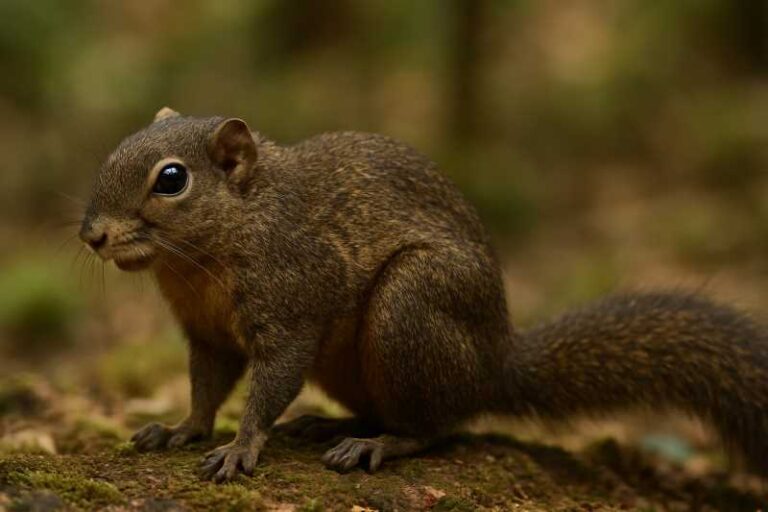
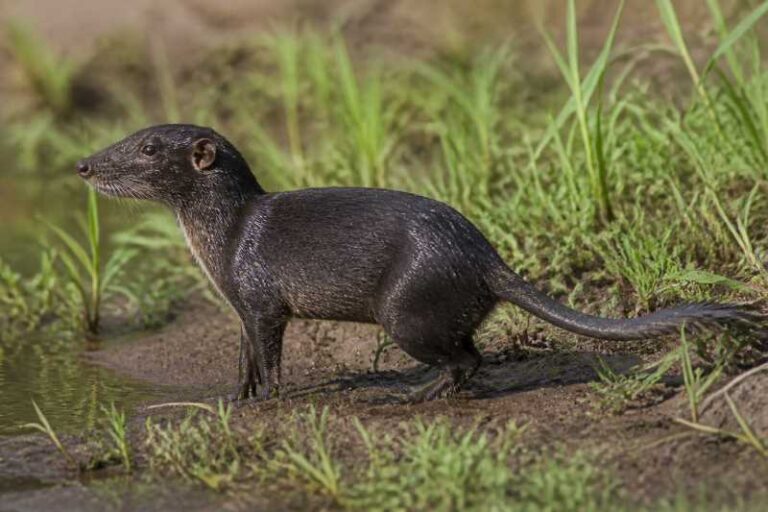
The Snow Mountain Shrew Mole is a small, fossorial mammal characterized by its elongated snout, which is highly sensitive and equipped for probing into the soil. It typically measures between 8 to 10 centimeters in length, with a tail that adds an additional 4 to 6 centimeters. The body is covered with dense, velvety fur that provides insulation against the cold temperatures of its mountainous habitat. The fur is generally dark gray to brown, a color that offers effective camouflage against the rocky and earthy landscapes.
The limbs of the Snow Mountain Shrew Mole are adapted for digging, with forelimbs that are particularly strong, equipped with broad, spade-like claws. Unlike true moles, which have a more compact and robust body shape, the Snow Mountain Shrew Mole retains a more elongated and slender profile, reflecting its evolutionary divergence from strictly subterranean lifestyles.
Range and Habitat
The Snow Mountain Shrew Mole is endemic to the high-altitude regions of Southwest China, particularly the mountainous areas of Yunnan and Sichuan provinces. These regions, known for their rich biodiversity and challenging climates, provide a unique habitat for this species. It typically inhabits altitudes ranging from 2,000 to 3,500 meters above sea level.
The habitat of the Snow Mountain Shrew Mole is characterized by alpine meadows, coniferous forests, and rocky outcrops. The creatures prefer moist soil conditions, which facilitate their digging activities. They are often found in areas with abundant ground cover, providing protection from predators and harsh weather.
Behavior and Diet
Snow Mountain Shrew Moles are primarily solitary animals, engaging in limited social interactions beyond mating. They are known to be active both day and night, although their subterranean lifestyle often makes direct observation challenging.
Their diet consists mainly of invertebrates such as earthworms, insects, and larvae, which they locate using their acute sense of smell and touch. They are also known to consume small amounts of plant material, which may provide necessary nutrients or aid in digestion.
The digging behavior of these moles is a critical component of their ecological role, as it helps aerate the soil, facilitating nutrient cycling and improving soil health.
Identification Tips (Field Recognition Cues)
Identifying the Snow Mountain Shrew Mole in the field requires careful observation due to its elusive nature. Key identification cues include:
- Size and Shape: Look for a small, elongated body with a pointed snout and relatively long tail.
- Fur Texture and Color: Note the dense, velvety fur that is dark gray to brown in color.
- Habitat: Focus on high-altitude areas with moist soil conditions, such as alpine meadows and forested regions.
- Digging Signs: Look for signs of digging or small tunnels in the soil, indicative of mole activity.
Conservation Status (with Threats and Protections)
The conservation status of the Snow Mountain Shrew Mole is currently not well-documented due to its remote habitat and elusive nature. However, it faces several potential threats, including habitat destruction due to deforestation and land development. Climate change also poses a significant threat, as shifting weather patterns can alter its mountainous habitat.
Conservation efforts for this species are limited but could benefit from broader initiatives aimed at preserving high-altitude ecosystems. Creating protected areas and implementing sustainable land-use practices are essential steps to ensure the survival of this and other endemic species.
Frequently Asked Questions
What adaptations allow the Snow Mountain Shrew Mole to survive in high-altitude environments?
The Snow Mountain Shrew Mole has several adaptations for high-altitude living, including dense fur for insulation and strong forelimbs for efficient digging in rocky, cold soils.
How does the Snow Mountain Shrew Mole differ from true moles?
While both are fossorial, the Snow Mountain Shrew Mole has a more elongated body and a longer tail compared to true moles, reflecting its evolutionary path. Its diet also includes more plant material than that of true moles.
Why is the Snow Mountain Shrew Mole important for its ecosystem?
This species plays a vital role in soil health through its digging activities, which help aerate the soil and promote nutrient cycling, benefiting the broader ecosystem.
What can be done to protect the Snow Mountain Shrew Mole?
Efforts to protect this species should include habitat preservation through the establishment of protected areas and sustainable land management practices to mitigate deforestation and habitat fragmentation.
Where can one observe the Snow Mountain Shrew Mole in its natural habitat?
Observing this species requires visiting the high-altitude regions of Southwest China, particularly the provinces of Yunnan and Sichuan, focusing on alpine meadows and coniferous forests.
Related posts