Introduction
The Ussuri Shrew (Sorex mirabilis), an intriguing and lesser-known mammal species, is part of the diverse Soricidae family. This small insectivore is primarily found in the expansive regions of East Asia. Highlighting the intricate aspects of its biology, ecology, and conservation, this article delves into the life of the Ussuri Shrew, offering insight into its role within its ecosystem and the current challenges it faces.
Shrews, in general, are fascinating creatures known for their high metabolic rates and insectivorous diets. The Ussuri Shrew, however, stands out due to its specific adaptations and the unique environments it inhabits. As with many species in the shrew family, the Ussuri Shrew plays a crucial role in controlling insect populations, thus maintaining the ecological balance.
Understanding the Ussuri Shrew’s life and habits not only enriches our knowledge of biodiversity but also underscores the importance of conservation efforts needed to protect such species and their habitats.
Physical Description
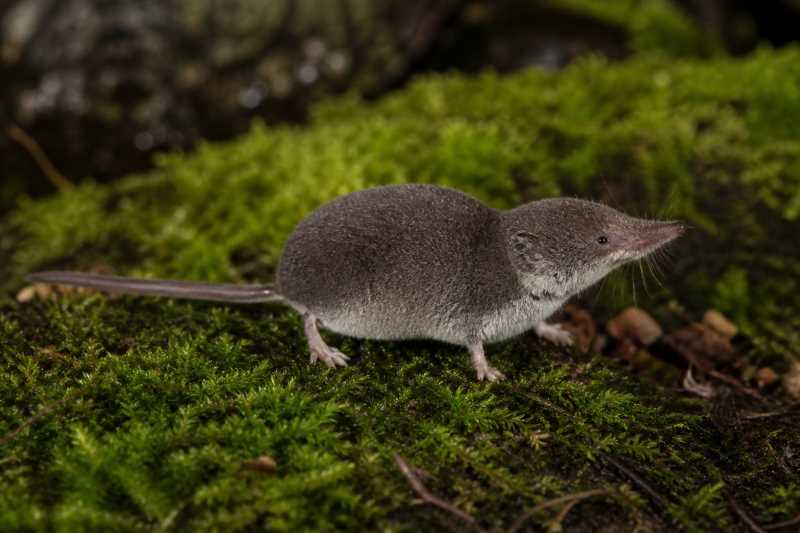
The Ussuri Shrew is a small mammal, typically measuring between 6 to 8 centimeters in body length, with a tail that adds an additional 4 to 6 centimeters. Weighing in at approximately 10 to 15 grams, this shrew is characterized by its compact and streamlined body, which aids in maneuvering through dense underbrush and leaf litter.
One of the distinctive features of the Ussuri Shrew is its velvety fur, which varies in color from dark brown to a lighter grayish-brown, providing effective camouflage amongst the forest floor’s detritus. The fur is dense and water-repellent, an adaptation for living in environments with high moisture levels.
The shrew’s pointed snout and tiny eyes are typical of the Soricidae family, signifying its reliance on acute senses of smell and touch rather than sight. Its ears are small and often concealed within its fur, further emphasizing its adaptation to a life of burrowing and ground-level activity.
Range and Habitat
The Ussuri Shrew is predominantly found in the temperate forests and riverbanks of East Asia, with its range extending across parts of Russia, China, and the Korean Peninsula. This species favors moist environments where the soil is rich and the vegetation dense, providing ample cover and food resources.
Primarily, the Ussuri Shrew inhabits deciduous and mixed forests, thriving in areas with abundant leaf litter and undergrowth. It can also be found in shrublands and near water bodies, such as rivers and streams, which offer both hydration and a rich supply of insects and other small invertebrates.
Seasonal changes can influence the shrew’s habitat preferences, with some populations migrating slightly to avoid harsh winter conditions or flooding during the spring thaw. Such adaptability underscores the shrew’s resilience in dynamic environments.
Behavior and Diet
The Ussuri Shrew is a solitary and territorial creature, with individuals maintaining defined home ranges that they vigorously defend from intruders. This territoriality is typical of shrews, which require consistent access to food resources due to their high metabolic demands.
Feeding primarily on insects, the Ussuri Shrew’s diet includes beetles, larvae, worms, and other small invertebrates. The shrew is an active hunter, using its keen sense of smell to locate prey beneath the leaf litter or within soft soil. This insectivorous diet is supplemented by occasional plant matter and seeds, especially when insect availability is low.
Activity patterns of the Ussuri Shrew are largely crepuscular and nocturnal, avoiding the heat of the day and reducing the risk of predation. Their rapid metabolism necessitates frequent feeding, with shrews consuming up to twice their body weight in food daily.
Identification Tips (Field Recognition Cues)
Identifying the Ussuri Shrew in the field involves recognizing several key characteristics:
- Size and Shape: Small body with a proportionally long tail, compact and streamlined.
- Fur: Dense, velvety, and varying from dark brown to grayish-brown.
- Snout: Long and pointed, typical of shrews, aiding in prey detection.
- Behavior: Observing crepuscular or nocturnal activity, often near moist forest floors or riverbanks.
- Habitat: Presence in dense underbrush and leaf litter within temperate forests.
Conservation Status (With Threats and Protections)
The Ussuri Shrew is currently listed as a species of Least Concern by the IUCN Red List. However, this status does not imply that the species is free from threats. Habitat destruction due to logging, agriculture, and urban expansion poses significant risks to its populations.
Climate change also presents a looming threat, potentially altering the shrew’s habitat and food availability. Increased frequency of extreme weather events, such as floods and droughts, could further impact their survival.
Conservation efforts for the Ussuri Shrew include habitat protection and restoration initiatives. Establishing protected areas and promoting sustainable land-use practices are crucial steps in safeguarding this species. Additionally, further research into its ecology and population dynamics can inform more effective conservation strategies.
Frequently Asked Questions
1. What does the Ussuri Shrew eat?
The Ussuri Shrew primarily feeds on insects and small invertebrates, such as beetles, larvae, and worms. Occasionally, it may consume plant matter and seeds when insects are scarce.
2. Where can the Ussuri Shrew be found?
This shrew is found in the temperate forests and riverbanks of East Asia, including regions in Russia, China, and the Korean Peninsula.
3. How can I identify a Ussuri Shrew?
Identify the Ussuri Shrew by its small size, long pointed snout, dense velvety fur, and its presence in moist forest environments. It is typically active during dawn and dusk.
4. Is the Ussuri Shrew endangered?
Currently, the Ussuri Shrew is not endangered and is listed as Least Concern by the IUCN. However, it faces threats from habitat destruction and climate change.
5. Why is the Ussuri Shrew important?
The Ussuri Shrew plays a crucial role in its ecosystem by controlling insect populations, thus contributing to ecological balance and biodiversity.
Related posts