Introduction
The Nagaland Shrew, scientifically known as Nagasorex albidens, is a captivating small mammal species that has piqued the interest of researchers and nature enthusiasts alike due to its limited distribution and unique characteristics. Belonging to the family Soricidae, this species is one of the lesser-known mammals that inhabit the dense forests of Nagaland, a state in northeastern India. Recognized for its ecological role and contribution to biodiversity, the Nagaland Shrew highlights the intricate balance of its native ecosystem.
This article delves into the Nagaland Shrew’s physical attributes, habitat preferences, behavioral patterns, and diet, offering insights into its life in the wild. Furthermore, we will explore the conservation challenges it faces and provide tips for identifying this elusive creature in its natural environment.
Physical Description
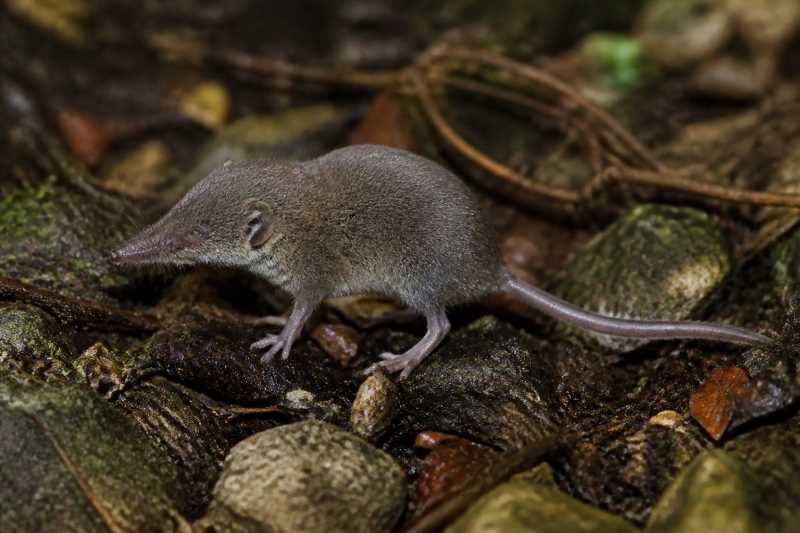
The Nagaland Shrew is a small, insectivorous mammal characterized by its distinct physical features that adapt it well to its ecological niche. Typically, this shrew exhibits a body length of approximately 6 to 8 centimeters, with a tail that measures around 4 to 6 centimeters. Its diminutive size allows it to navigate through dense undergrowth and leaf litter efficiently.
The fur of the Nagaland Shrew is predominantly a soft, grayish-brown hue, which provides excellent camouflage against the forest floor. Notably, its underparts are lighter, often displaying a whitish tint, hence the species name albidens, which translates to "white-toothed." This coloration is not only a defining characteristic but also serves as a visual cue for identifying the species.
Another notable feature of the Nagaland Shrew is its elongated, pointed snout, which is equipped with sensitive vibrissae (whiskers) that aid in detecting prey. The shrew’s small, beady eyes and reduced ears are indicative of its adaptation to a subterranean and nocturnal lifestyle, where keen hearing and touch are more critical than vision.
Range and Habitat
The Nagaland Shrew is endemic to the state of Nagaland, India, where it occupies a very specific habitat niche. This species is primarily found in the subtropical and tropical moist broadleaf forests that dominate the region. These forests offer a rich tapestry of vegetation and a diverse array of invertebrates, which constitute the shrew’s primary diet.
The Nagaland Shrew tends to favor areas with dense foliage and a thick layer of leaf litter, which provide ample cover and foraging opportunities. These habitats are crucial for maintaining the shrew’s populations, as they offer both protection from predators and an abundant food supply.
Due to its restricted range and specific habitat requirements, the Nagaland Shrew is particularly vulnerable to changes in its environment. Deforestation, habitat fragmentation, and agricultural expansion pose significant threats to its survival.
Behavior and Diet
The Nagaland Shrew is primarily nocturnal, engaging in most of its activities under the cover of darkness. This nocturnal behavior is an adaptation that reduces competition with diurnal predators and allows it to exploit a different set of food resources.
In terms of diet, the Nagaland Shrew is predominantly insectivorous, feeding on a variety of invertebrates such as insects, worms, and small arthropods. Its keen sense of smell and touch, facilitated by its sensitive snout and vibrissae, enable it to locate prey within the leaf litter and soil.
Additionally, the shrew’s metabolic rate is exceptionally high, necessitating frequent feeding to sustain its energy levels. It is not uncommon for the Nagaland Shrew to consume an amount of food equal to its body weight within a single day.
Socially, the Nagaland Shrew is primarily solitary, with individuals maintaining exclusive territories that they actively defend from intruders. During the breeding season, however, these territorial boundaries may become more fluid as individuals seek out mates.
Identification Tips (field recognition cues)
Identifying the Nagaland Shrew in the wild can be challenging due to its elusive nature and the dense habitats it occupies. However, there are several key features that can aid in field recognition:
- Size and Shape: Look for a small mammal with a slender, cylindrical body, measuring around 6 to 8 centimeters in length.
- Fur Coloration: Note the contrast between the grayish-brown upper body and the lighter, whitish underparts, which is a distinctive characteristic.
- Snout and Whiskers: The elongated snout and prominent vibrissae are crucial for identifying the species.
- Habitat: Focus your search in dense forest areas with thick leaf litter, as these are preferred habitats.
- Behavior: Observe nocturnal activity patterns, as these shrews are mostly active at night.
Conservation Status (with threats and protections)
The conservation status of the Nagaland Shrew is currently listed as Data Deficient by the International Union for Conservation of Nature (IUCN). This classification reflects the limited information available on the species’ population trends and distribution.
Despite the lack of comprehensive data, several threats to the Nagaland Shrew’s survival have been identified. Habitat loss due to deforestation and agricultural expansion is a primary concern, as these activities reduce the availability of suitable habitats. Additionally, climate change poses a long-term threat by altering the ecological balance of the shrew’s native forests.
Conservation efforts for the Nagaland Shrew are in their nascent stages, with a focus on habitat preservation and research initiatives to better understand the species’ ecology. Protected areas within Nagaland offer some refuge, but further measures are needed to ensure the species’ long-term survival.
Frequently Asked Questions
What do Nagaland Shrews eat?
Nagaland Shrews are primarily insectivorous, feeding on a diet rich in insects, worms, and other small invertebrates. Their high metabolic rate requires them to consume food frequently, often equal to their body weight daily.
Where can the Nagaland Shrew be found?
The Nagaland Shrew is endemic to the state of Nagaland in northeastern India, inhabiting subtropical and tropical moist broadleaf forests. It favors areas with dense foliage and thick leaf litter.
How can I identify a Nagaland Shrew in the wild?
To identify a Nagaland Shrew, look for a small mammal with a grayish-brown upper body, lighter underparts, an elongated snout, and prominent vibrissae. It is most active at night and found in dense forest habitats.
What are the major threats to the Nagaland Shrew?
Major threats include habitat loss due to deforestation and agricultural expansion, as well as climate change impacts. Conservation efforts are focused on habitat preservation and research.
Is the Nagaland Shrew endangered?
The Nagaland Shrew is currently listed as Data Deficient by the IUCN, meaning there is insufficient information to assess its risk of extinction. However, habitat loss poses a significant threat to its populations.
Related posts