Introduction
The Mountain Pygmy Possum (Burramys parvus) is a remarkable and rare species of marsupial found exclusively in the alpine and subalpine regions of Australia. This tiny mammal, often referred to simply as the "Mountain Pygmy Possum," plays a crucial role in its ecosystem despite its small size and limited range. The species is of significant interest to conservationists due to its unique adaptations to cold environments and its status as one of the few marsupials that hibernate.
Physical Description
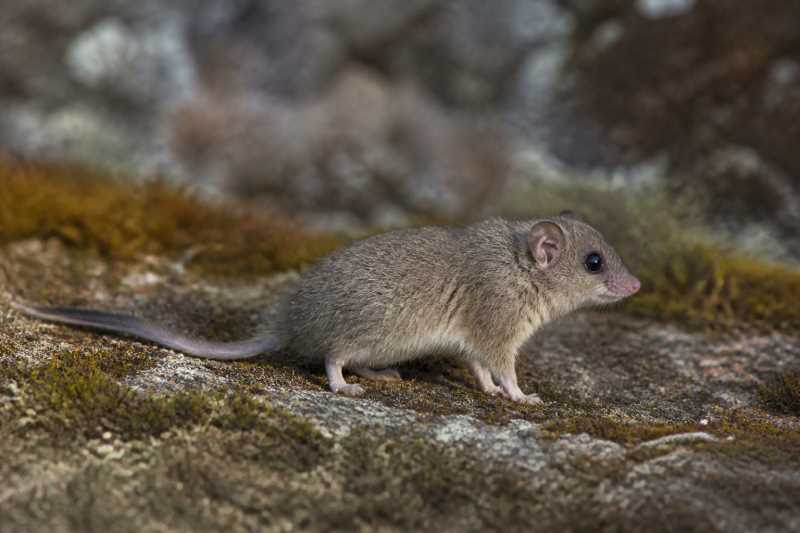
The Mountain Pygmy Possum is a small, nocturnal marsupial with a distinctive appearance that sets it apart from other possums. Adults typically weigh between 30 to 80 grams and measure about 11 centimeters in body length, with a tail that adds an additional 14 centimeters. Their fur is thick and soft, providing insulation against cold alpine temperatures. The dorsal side is usually a grey-brown color, while the belly is a creamy off-white.
One of the most striking features of the Mountain Pygmy Possum is its large, forward-facing eyes, which enhance its night vision. The species also possesses a prehensile tail, which is used for balance and foraging. Their small, rounded ears and short snout contribute to their endearing appearance while assisting in temperature regulation and scent detection.
Range and Habitat
The Mountain Pygmy Possum is endemic to the alpine and subalpine zones of southeastern Australia. Specifically, these possums are found in three isolated populations within the Kosciuszko National Park in New South Wales, the Alpine National Park in Victoria, and the Mount Bogong and Mount Higginbotham areas.
Their habitat is characterized by boulder fields and rocky scree slopes, often covered in winter snow. These environments offer crevices and cavities that provide shelter from predators and harsh weather. During the warmer months, the surrounding alpine heathlands and shrubs supply a rich source of food.
Behavior and Diet
Mountain Pygmy Possums are nocturnal and exhibit a unique hibernation behavior not commonly found among marsupials. During winter, they enter a state of torpor to conserve energy, residing in communal hibernacula beneath the snow. This adaptation is crucial for survival in their cold, high-altitude environment.
Their diet primarily consists of insects, particularly the Bogong Moth (Agrotis infusa), which migrates to their habitat in large numbers. The moths provide a high-energy food source that is vital for the possums’ pre-hibernation fattening. In addition to insects, they consume fruits, seeds, and some plant material to ensure a balanced diet.
Identification Tips (Field Recognition Cues)
Identifying the Mountain Pygmy Possum in the wild requires attention to several distinctive features:
- Size and Shape: Look for a small, mouse-sized mammal with a long, prehensile tail.
- Coloration: Note the grey-brown fur on the back and creamy white underbelly.
- Eyes and Ears: Large eyes and small, rounded ears are characteristic.
- Habitat: They are found in alpine boulder fields and not in trees, unlike many other possums.
- Activity: Being nocturnal, they are most active during the night.
Conservation Status (With Threats and Protections)
The Mountain Pygmy Possum is currently listed as critically endangered, with only a few hundred individuals estimated to remain in the wild. Several factors contribute to their precarious status:
- Habitat Loss: Development of ski resorts and climate change threaten their alpine habitats.
- Predation: Introduced predators such as foxes and feral cats pose a significant threat.
- Climate Change: Altered snow patterns affect their hibernation and food availability.
Conservation efforts are underway to protect this unique species. These include habitat restoration projects, predator control programs, and breeding programs aimed at increasing population numbers. The establishment of protected areas and legal protections also play a vital role in their conservation.
Frequently Asked Questions
Why is this species unique?
The Mountain Pygmy Possum is unique due to its status as the only Australian marsupial adapted to alpine conditions, including hibernation. Its reliance on the seasonal Bogong Moth migration for food is another distinctive aspect.
How do Mountain Pygmy Possums hibernate?
Mountain Pygmy Possums hibernate in communal nests beneath the snow, entering a state of torpor to conserve energy. This hibernation can last for several months, allowing them to survive the harsh winter conditions.
What are the main threats to their survival?
The main threats include habitat destruction from human development, predation by introduced species, and the impacts of climate change, which alter their food sources and hibernation conditions.
How can we help in their conservation?
Supporting conservation programs, raising awareness, and advocating for policies that protect their habitats are crucial. Additionally, reducing carbon footprints can help mitigate climate change impacts on their environment.
Are there any breeding programs for this species?
Yes, several breeding programs are in place to help increase the population of Mountain Pygmy Possums. These programs are part of broader conservation strategies to ensure the survival of the species.
Related posts