Introduction
The Mount Isarog Hairy-tailed Rat (Batomys uragon) is a fascinating rodent species endemic to the Philippines. This elusive creature is part of the family Muridae and is primarily found in the dense montane forests of Mount Isarog, a prominent volcanic peak located in the Bicol Region of Luzon Island. Discovered relatively recently, this species has garnered interest due to its unique adaptations and restricted habitat. Understanding its ecological role and conservation status is essential for preserving the biodiversity of its native region.
Physical Description
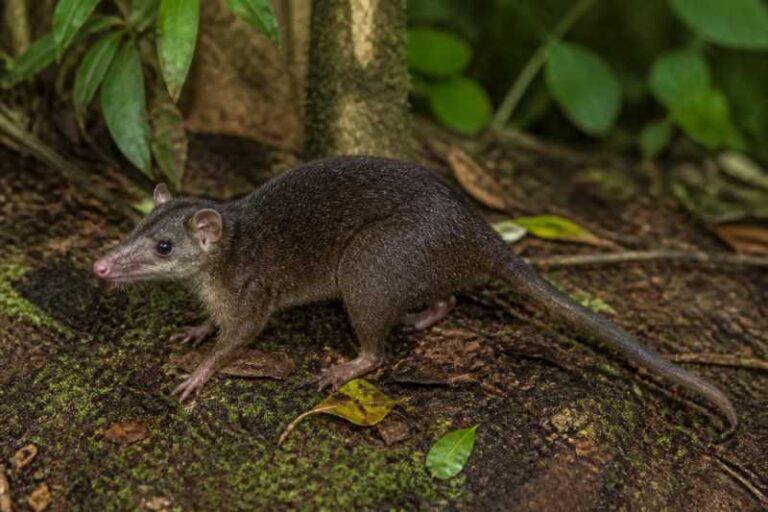
Batomys uragon is characterized by its distinctive physical features that set it apart from other rodents. It typically exhibits a robust body with a length ranging from 15 to 20 centimeters, not including the tail, which adds another 12 to 17 centimeters. The species is known for its soft, dense fur, which is generally a mix of brown and gray tones, providing excellent camouflage within its forest environment.
One of the most striking features of the Mount Isarog Hairy-tailed Rat is its tail, which is notably hairy and bushy. This adaptation is thought to aid in balance and agility as the rat navigates through its arboreal habitat. Its small, rounded ears and relatively large eyes suggest a nocturnal lifestyle, adapted for low-light conditions.
Range and Habitat
As its name suggests, the Mount Isarog Hairy-tailed Rat is endemic to the forests of Mount Isarog. This mountain is part of the Luzon tropical pine forests ecoregion, characterized by its unique montane and mossy forests. The species is typically found at elevations ranging from 1,000 to 1,800 meters, where the climate is cooler and more humid than the surrounding lowlands.
The habitat of Batomys uragon is characterized by dense undergrowth, an abundance of mosses, and a rich variety of plant species that provide shelter and food. This specialized habitat is crucial for the survival of the species, as it offers both food resources and protection from predators.
Behavior and Diet
The Mount Isarog Hairy-tailed Rat is primarily nocturnal, spending most of its active hours foraging for food under the cover of darkness. Its diet is omnivorous, consisting of a variety of plant materials such as fruits, seeds, and leaves, as well as small invertebrates. This diverse diet allows the species to adapt to seasonal changes in food availability.
Social behavior in Batomys uragon is not well-documented, but it is believed to be solitary or to live in small family groups. Like many rodents, it likely relies on a keen sense of smell and hearing to detect predators and locate food sources.
Identification Tips (Field Recognition Cues)
Identifying the Mount Isarog Hairy-tailed Rat in the wild requires attention to several key features:
- Tail: Look for the distinctive hairy tail, which is bushier than that of most other rodent species in the area.
- Fur: Note the soft, dense fur with a mix of brown and gray hues, providing excellent camouflage.
- Size: The body length excluding the tail ranges from 15 to 20 centimeters, with the tail adding an additional 12 to 17 centimeters.
- Ears and Eyes: Small, rounded ears and relatively large eyes are indicative of its nocturnal habits.
Conservation Status (With Threats and Protections)
The conservation status of the Mount Isarog Hairy-tailed Rat is currently listed as "Near Threatened" by the International Union for Conservation of Nature (IUCN). This status highlights the species’ vulnerability due to its limited range and the specific habitat requirements.
The primary threats to Batomys uragon include habitat destruction and fragmentation caused by human activities such as logging, agriculture, and infrastructure development. The encroachment of human settlements and the associated increase in hunting pressure further exacerbate these threats.
Conservation efforts are focused on preserving the natural habitat of Mount Isarog through protected area management and reforestation initiatives. Raising awareness about the species and its ecological importance is also crucial for ensuring its long-term survival.
Frequently Asked Questions
Why is this species unique?
The Mount Isarog Hairy-tailed Rat is unique due to its restricted range, being endemic to the montane forests of Mount Isarog. Its distinctive hairy tail and specialized arboreal adaptations make it a fascinating subject of study for understanding biodiversity in isolated ecosystems.
What are the main threats to its survival?
The main threats to the survival of Batomys uragon include habitat destruction from logging and agriculture, as well as hunting pressure. Conservation efforts are vital to mitigate these threats and preserve the species’ natural habitat.
How can we help conserve this species?
Conservation can be supported through habitat protection, reforestation projects, and public awareness campaigns. Supporting local conservation organizations and respecting protected area regulations are practical ways to contribute to the species’ survival.
Is it possible to see this species in the wild?
While it is possible to see the Mount Isarog Hairy-tailed Rat in the wild, it requires visiting its specific habitat on Mount Isarog and having a keen eye for its identification cues. Guided eco-tours can enhance the chances of spotting this elusive creature.
What role does this species play in its ecosystem?
Batomys uragon plays a crucial role in its ecosystem by aiding in seed dispersal and serving as prey for larger predators. Its presence indicates a healthy montane forest ecosystem, highlighting its ecological significance.
Related posts