Introduction
Moojen’s Spiny-rat, scientifically known as Trinomys moojeni, is a fascinating species of rodent that is part of the Echimyidae family, commonly referred to as spiny rats. These mammals are primarily found in South America and are known for their distinctive spiny fur, which offers a unique layer of protection. This article delves into the various aspects of Moojen’s Spiny-rat, providing insights into its physical characteristics, habitat, behavior, diet, and conservation status.
Physical Description
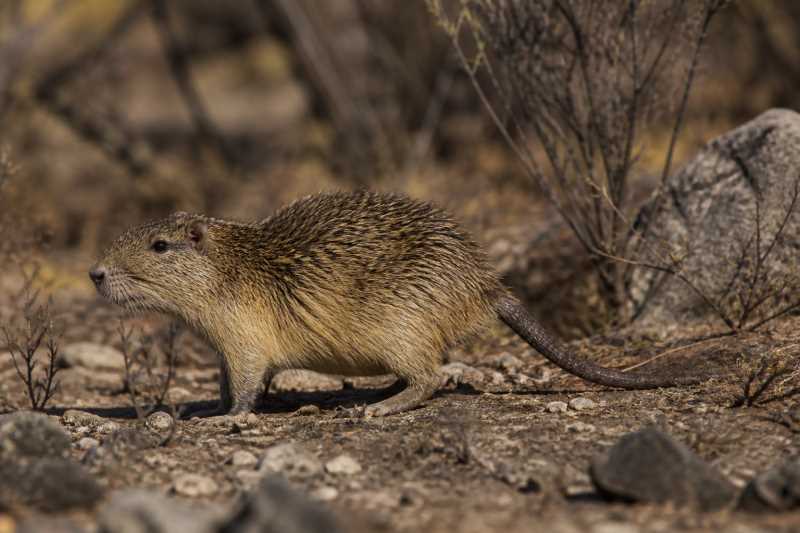
Moojen’s Spiny-rat is a medium-sized rodent characterized by its dense, spiny fur that serves as a deterrent to predators. The spines are not as stiff as those of a porcupine but are rather a mix of bristly and soft hairs. The coloration of their fur can range from grayish-brown to a more reddish hue, providing excellent camouflage in their natural habitat.
Adults typically weigh between 150 to 250 grams and measure about 20 to 30 centimeters in length, not including the tail, which often adds another 15 to 20 centimeters. Their tails are relatively long and covered in sparse hair, aiding in balance as they navigate through dense underbrush.
Range and Habitat
Moojen’s Spiny-rat is predominantly found in the Atlantic Forest biome of Brazil, thriving in both primary and secondary forest environments. This region is known for its rich biodiversity and is one of the most ecologically significant areas in the world. The species has adapted to a variety of forest habitats, from lowland tropical forests to montane regions.
These rodents prefer areas with dense vegetation that offer ample cover from predators and are adept at living in both arboreal and terrestrial habitats. Their range, however, is limited to specific parts of southeastern Brazil, making habitat preservation crucial for their survival.
Behavior and Diet
Moojen’s Spiny-rat is primarily nocturnal, spending its nights foraging for food and its days resting in burrows or dense foliage. Their diet is omnivorous, consisting of fruits, seeds, leaves, and small insects. This varied diet allows them to adapt to seasonal changes in food availability.
Social behavior in Moojen’s Spiny-rat is not extensively studied, but they are known to be solitary or to live in small family groups. Communication is likely facilitated through scent markings and vocalizations, although more research is needed to fully understand their social structures.
Identification Tips (Field Recognition Cues)
To identify Moojen’s Spiny-rat in the field, look for the following features:
- Spiny Fur: Their unique coat of spiny and bristly hairs is a key characteristic.
- Size and Shape: Medium-sized with a long tail, they resemble large gerbils or small porcupines.
- Coloration: Look for their grayish-brown to reddish fur, which blends with forest underbrush.
- Habitat: Found in dense Atlantic Forest regions; their presence is often indicated by rustling sounds in the underbrush at night.
Conservation Status (with Threats and Protections)
Currently, Moojen’s Spiny-rat is listed as Near Threatened on the IUCN Red List. The primary threat to their survival is habitat destruction due to deforestation, agriculture expansion, and urban development in the Atlantic Forest. This habitat loss leads to population fragmentation, making it difficult for these rodents to maintain viable populations.
Conservation efforts focus on habitat preservation and restoration. Protecting large swathes of the Atlantic Forest and promoting sustainable land use practices are crucial strategies. Additionally, environmental education and awareness campaigns are vital for local communities to understand the importance of conserving this unique species.
Frequently Asked Questions
What is the primary habitat of Moojen’s Spiny-rat?
Moojen’s Spiny-rat primarily inhabits the Atlantic Forest of southeastern Brazil, thriving in both primary and secondary forests.
How can you identify Moojen’s Spiny-rat in the wild?
They can be identified by their spiny fur, medium size, long tail, and their distinctive coloration that blends into the forest underbrush.
What threats does Moojen’s Spiny-rat face?
The main threats include habitat destruction due to deforestation, agriculture, and urban expansion in the Atlantic Forest region.
Are there any conservation efforts in place for Moojen’s Spiny-rat?
Yes, conservation efforts include habitat preservation, restoration, and promoting sustainable land use practices in the Atlantic Forest.
What does Moojen’s Spiny-rat eat?
Their diet is omnivorous, consisting of fruits, seeds, leaves, and small insects, which allows them to adapt to changing food availability.
Related posts