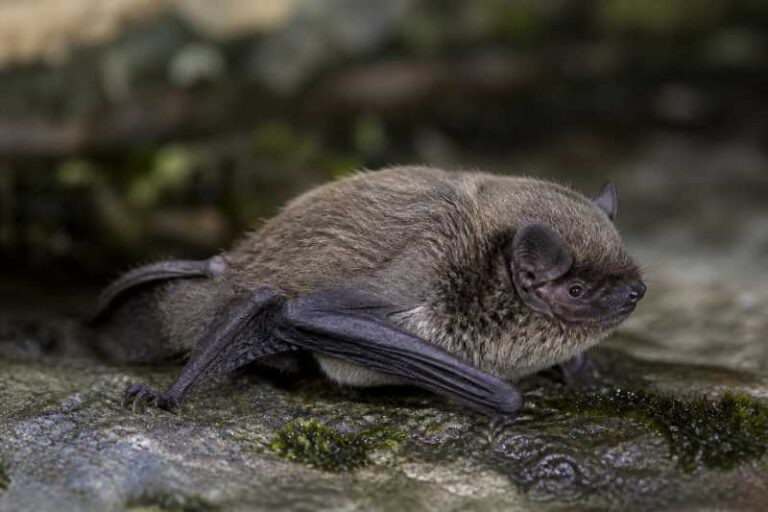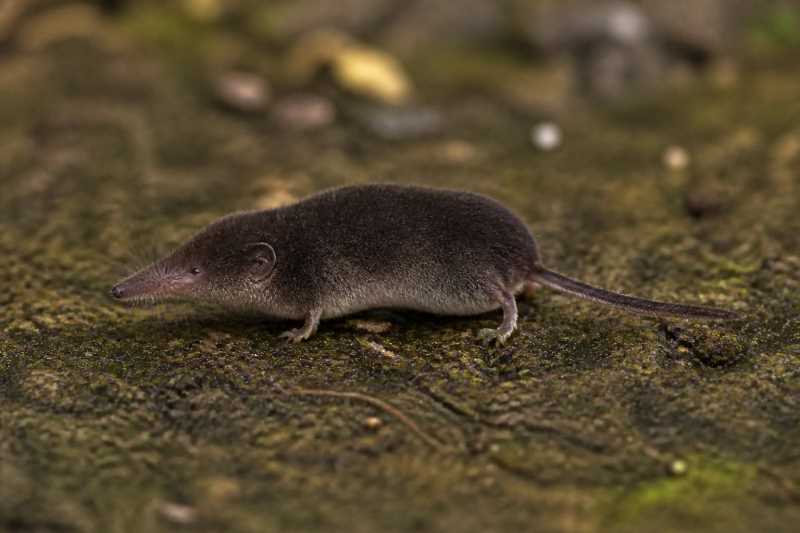
Narcondam White-toothed Shrew (Crocidura narcondamica)
Introduction
The Narcondam White-toothed Shrew, scientifically known as Crocidura narcondamica, is a unique and fascinating mammal species that has piqued the interest of researchers and conservationists alike. Discovered in the remote Narcondam Island in the Andaman Sea, this small insectivorous mammal is a lesser-known species of the Soricidae family. Its elusive nature and restricted habitat make it a subject of significant scientific intrigue and conservation importance. As we delve into the world of the Narcondam White-toothed Shrew, we will explore its physical characteristics, habitat preferences, behaviors, and the conservation efforts necessary to protect this rare species.
Physical Description
The Narcondam White-toothed Shrew is a diminutive mammal, with an average body length of about 60 to 75 millimeters, and it weighs approximately 5 to 10 grams. Its fur is typically a dark grayish-brown, providing excellent camouflage within its natural habitat. The fur is dense and soft, offering protection against the island’s humid climate. A distinguishing feature of this shrew is its pointed snout and small, bead-like eyes, which are well-adapted to its nocturnal lifestyle.
Its dentition is another notable characteristic. As a member of the White-toothed Shrew group, it lacks the iron deposits in the enamel that give other shrew species their reddish tooth color. This dental adaptation is particularly suited to its insectivorous diet, aiding it in effectively consuming a variety of invertebrates.
Range and Habitat
The Narcondam White-toothed Shrew is endemic to Narcondam Island, a small volcanic island in the Andaman Sea, part of India’s Andaman and Nicobar Islands territory. The island’s isolated nature has allowed the shrew to evolve without the pressures of competition and predation found on larger land masses. Narcondam Island is characterized by its tropical climate and dense forest cover, which provides an ideal habitat for this shrew.
The island’s evergreen and semi-evergreen forests offer a rich array of leaf litter and undergrowth, which is essential for the shrew’s foraging activities. The shrew is primarily terrestrial, relying on the forest floor’s complex ecosystem to find food and shelter. Its presence is often an indicator of a healthy and balanced forest ecosystem.
Behavior and Diet
The Narcondam White-toothed Shrew is primarily nocturnal, conducting most of its activities under the cover of darkness. This behavior helps it avoid the heat of the day and potential predators. It is an agile and quick creature, capable of swiftly navigating through the underbrush and leaf litter.
Its diet consists mainly of insects and other small invertebrates. The shrew uses its acute sense of smell and hearing to locate prey, displaying a remarkable ability to detect and capture insects hidden beneath the forest litter. This insectivorous diet plays a crucial role in controlling insect populations within its ecosystem, highlighting the shrew’s importance in maintaining ecological balance.
Identification Tips (Field Recognition Cues)
Identifying the Narcondam White-toothed Shrew in the field can be challenging due to its small size and elusive nature. However, there are several cues that can aid in its recognition:
- Size and Shape: Look for a small mammal with a slender, elongated body and a pointed snout. The size is comparable to that of a small mouse.
- Fur Color: Its dark grayish-brown fur provides camouflage against the forest floor, but the dense and soft texture can be a distinguishing feature.
- Behavior: Observe for quick, darting movements, especially during nighttime hours when the shrew is most active.
- Habitat: Focus on areas with dense leaf litter and undergrowth within Narcondam Island’s forested regions.
Conservation Status (With Threats and Protections)
The Narcondam White-toothed Shrew is currently classified as an endangered species due to its extremely limited range and the potential threats it faces. The primary threat to this species is habitat degradation, largely due to human activities such as deforestation and potential development pressures on Narcondam Island.
Additionally, invasive species pose a significant risk to the shrew’s survival. Predation by non-native species and competition for food resources could severely impact its population. Conservation efforts are focused on habitat protection and maintaining the island’s ecological integrity. Narcondam Island is designated as a Wildlife Sanctuary, providing a level of legal protection, but ongoing efforts are needed to ensure effective enforcement and management.
Frequently Asked Questions
1. What is the scientific name of the Narcondam White-toothed Shrew?
The scientific name of the Narcondam White-toothed Shrew is Crocidura narcondamica. It belongs to the family Soricidae, commonly known as the shrew family.
2. Where is the Narcondam White-toothed Shrew found?
This shrew is endemic to Narcondam Island, located in the Andaman Sea, part of India’s Andaman and Nicobar Islands territory. It is not found anywhere else in the world.
3. Why is the Narcondam White-toothed Shrew considered endangered?
The shrew is considered endangered due to its limited range and the threats of habitat degradation and invasive species. Its entire population is confined to a single small island, making it highly vulnerable to environmental changes.
4. How does the Narcondam White-toothed Shrew contribute to its ecosystem?
As an insectivorous mammal, the Narcondam White-toothed Shrew plays a crucial role in controlling insect populations, thus maintaining ecological balance within its forest habitat.
5. What are the conservation measures in place for the Narcondam White-toothed Shrew?
Conservation measures include the designation of Narcondam Island as a Wildlife Sanctuary, which provides legal protection. Efforts focus on habitat preservation and preventing the introduction of invasive species.
Related posts