Introduction
The Least Shrew Tenrec (Microgale pusilla) is a remarkable small mammal native to the biodiverse island of Madagascar. Known for its intriguing adaptations and elusive nature, this species is part of the Tenrecidae family, which encompasses a wide variety of forms and ecological niches. Despite its small size, the Least Shrew Tenrec plays a critical role in the Madagascar ecosystem, contributing to the balance of insect populations and serving as prey for larger predators. This article delves into the physical characteristics, habitat, behavior, conservation status, and more, offering a comprehensive guide to understanding this fascinating species.
Physical Description
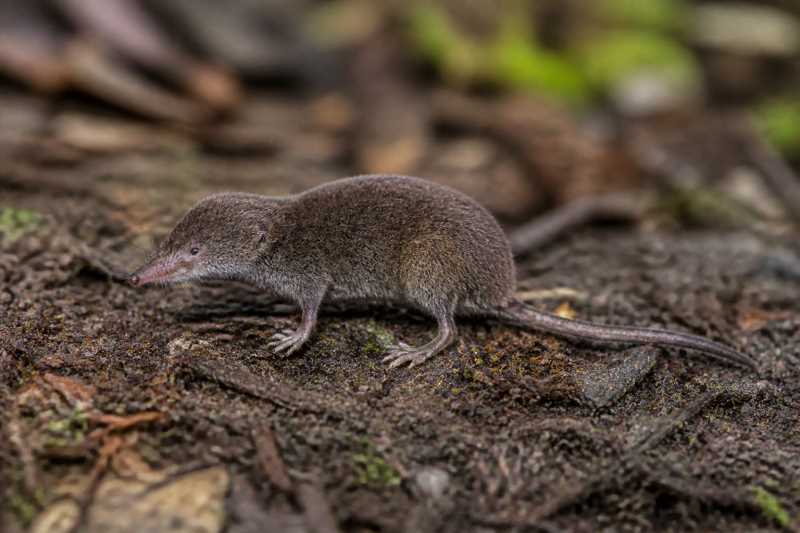
The Least Shrew Tenrec is notably small, with a body length ranging from 5 to 7 centimeters and a weight typically between 5 and 10 grams. Its diminutive size is complemented by a delicate, elongated snout, which is well-adapted for probing into soil and leaf litter in search of food. The fur of the Least Shrew Tenrec is typically soft and dense, providing insulation and protection. The coloration is generally a muted brown or grey, offering excellent camouflage against the forest floor.
The limbs of the Least Shrew Tenrec are short but robust, equipped with strong claws that aid in digging and foraging. Its tail is proportionately short, an adaptation for maneuvering through its dense habitat. Unlike many other mammals, the Least Shrew Tenrec exhibits a cloacal opening rather than distinct anal and genital openings, a feature common to the Tenrecidae family.
Range and Habitat
The Least Shrew Tenrec is endemic to Madagascar, primarily inhabiting the eastern rainforest regions of the island. These forests provide a rich environment with abundant leaf litter and undergrowth, ideal for the tenrec’s foraging needs. While they are most commonly found in lowland rainforest areas, some populations have been observed in montane regions, demonstrating the species’ adaptability to different altitudes and microhabitats.
The dense vegetation and moist environment are crucial for the tenrec’s survival, offering both food resources and protection from predators. The habitat’s complexity supports a diversity of insect prey, which forms the bulk of the Least Shrew Tenrec’s diet. Conservation of these habitats is vital for the continued survival of the species, given the increasing pressures from deforestation and human encroachment.
Behavior and Diet
The Least Shrew Tenrec is primarily nocturnal, using the cover of darkness to forage and avoid predators. Its diet consists mainly of insects and other small invertebrates, such as worms and larvae. The tenrec’s keen sense of smell and touch are essential for locating prey within the leaf litter, where visual cues are limited.
Social behavior in Least Shrew Tenrecs is not well-documented, but they are generally considered solitary animals. During the breeding season, which corresponds with the wet season in Madagascar, males may become more active and range farther to locate mates. After a gestation period of approximately 60 days, females give birth to litters of up to five young.
Identification Tips (Field Recognition Cues)
Identifying the Least Shrew Tenrec in the wild can be challenging due to its elusive nature and small size. Key identification cues include:
- Size and Shape: Look for a small, mouse-sized mammal with a pointed snout and short tail.
- Coloration: Note the brown or grey fur, which blends into the forest floor.
- Behavior: Observe any nocturnal activity or signs of foraging in leaf litter.
- Habitat: Focus on areas with dense undergrowth within rainforest environments.
Field observations often require patience and a keen eye, as the Least Shrew Tenrec is adept at remaining hidden.
Conservation Status (With Threats and Protections)
The Least Shrew Tenrec is currently classified as Least Concern by the IUCN Red List, but it faces several threats that could impact its future status. Habitat destruction due to logging, slash-and-burn agriculture, and human settlement is a significant concern. Such activities reduce the availability of suitable habitat and fragment existing populations, making them more vulnerable to other threats.
Conservation efforts are focused on preserving Madagascar’s rainforest ecosystems, which are home to the Least Shrew Tenrec and countless other endemic species. Protected areas and national parks play a crucial role in safeguarding these habitats. Additionally, initiatives aimed at sustainable land-use practices and reforestation are essential in mitigating habitat loss.
Frequently Asked Questions
Why is this species unique?
The Least Shrew Tenrec is unique due to its evolutionary adaptations that allow it to thrive in Madagascar’s rainforest ecosystem. Its small size and specialized diet set it apart from other tenrecs, and it plays a vital ecological role in controlling insect populations.
How does the Least Shrew Tenrec contribute to its ecosystem?
As an insectivore, the Least Shrew Tenrec helps maintain the balance of insect populations, preventing outbreaks that could damage vegetation. It also serves as prey for larger predators, contributing to the overall food web dynamics.
What are the main threats to the Least Shrew Tenrec?
The primary threats include habitat destruction from deforestation and agricultural expansion. These activities reduce and fragment the forest areas, putting pressure on small, isolated populations of the tenrec.
How can we help protect the Least Shrew Tenrec?
Supporting conservation initiatives that focus on habitat preservation and sustainable land-use practices is crucial. Awareness and education about the importance of Madagascar’s biodiversity can also foster local and global support for conservation efforts.
Related posts