Introduction
The Mongalla Gazelle, scientifically known as Eudorcas albonotata, is a captivating species of antelope native to the savannas and grasslands of East Africa. Known for their elegance and grace, these gazelles play a vital role in the ecosystems they inhabit. Despite their beauty and ecological importance, the Mongalla Gazelle remains relatively obscure in the broader context of wildlife studies. This article delves into the various facets of this intriguing species, including its physical characteristics, habitat, behavior, and conservation status.
Physical Description
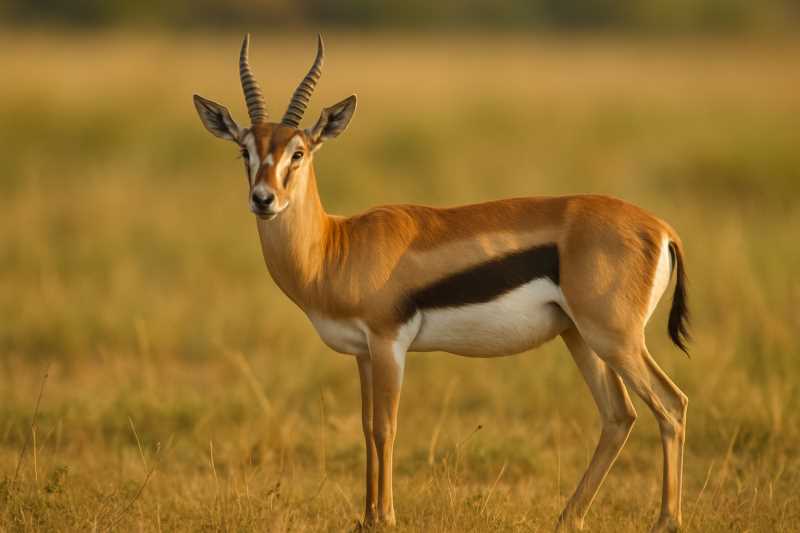
The Mongalla Gazelle is a medium-sized antelope with a slender and agile build. Adult males typically weigh between 20 to 35 kilograms, while females are slightly smaller, averaging 18 to 30 kilograms. Their height ranges from 70 to 85 centimeters at the shoulder. The gazelle’s coat is predominantly a light fawn color, which provides effective camouflage against the savanna’s golden grasses. A distinctive white patch can be found on their rump, which is particularly noticeable when the animal is in motion.
Both sexes possess horns, although those of the males are more robust and prominently curved. The horns can reach lengths of up to 35 centimeters, featuring a series of pronounced ridges. These horns are not just ornamental but serve as tools for defense and dominance displays during mating rituals.
Range and Habitat
The Mongalla Gazelle is primarily found in the plains and open grasslands of South Sudan and parts of Ethiopia. They inhabit regions that provide ample grazing opportunities and sufficient cover to evade predators. These environments are often characterized by seasonal variations, with wet and dry periods influencing the availability of food resources.
The gazelles are highly adaptable, capable of moving across vast distances to find new grazing grounds. This migratory behavior is essential for their survival, as it allows them to exploit different areas as environmental conditions change. However, their range is now increasingly fragmented due to human activities, posing a significant challenge to their long-term survival.
Behavior and Diet
Mongalla Gazelles are social animals, typically forming small herds consisting of females and their young. Males are often solitary or form bachelor groups, except during the mating season when they join female herds to compete for access to mates. The social structure of these herds is fluid, with individuals frequently changing groups.
These gazelles are herbivores, with a diet primarily composed of grasses and leaves. During the wet season, they enjoy a diverse diet, including fresh green shoots and flowers. In the dry season, they rely on more fibrous and less nutritious plant material, which requires them to travel further to meet their dietary needs.
The Mongalla Gazelle is diurnal, being most active during the early morning and late afternoon. This behavior helps them avoid the harsh midday sun and reduces the risk of predation. They are known for their incredible speed and agility, which are crucial for evading predators such as lions, leopards, and hyenas.
Identification Tips (Field Recognition Cues)
Identifying the Mongalla Gazelle in the field requires attention to several key characteristics:
- Size and Build: Look for a medium-sized, slender antelope with a graceful appearance.
- Coloration: Note the fawn-colored coat with a distinctive white rump patch.
- Horns: Both males and females have horns, but male horns are longer and more curved.
- Movement: Observe their swift and agile movements, often characterized by bouncing leaps known as "pronking."
- Habitat: Typically found in open grasslands and savannas, often in small herds.
Conservation Status (With Threats and Protections)
The Mongalla Gazelle is currently classified as "Near Threatened" on the IUCN Red List. This status reflects their declining population due to several anthropogenic and natural threats. Habitat loss is the most significant threat, driven by agricultural expansion, human settlement, and infrastructure development. Poaching for meat and horns also poses a critical threat, despite legal protections in some areas.
To mitigate these threats, conservation efforts focus on habitat preservation and anti-poaching measures. Protected areas and wildlife reserves play a crucial role in safeguarding the Mongalla Gazelle’s habitat. Additionally, community-based conservation programs are essential for engaging local populations in sustainable practices that benefit both people and wildlife.
Frequently Asked Questions
1. What is the natural habitat of the Mongalla Gazelle?
The Mongalla Gazelle thrives in open grasslands and savannas, primarily found in South Sudan and parts of Ethiopia. These regions provide ample grazing opportunities and necessary cover from predators.
2. How do Mongalla Gazelles avoid predators?
Mongalla Gazelles rely on their speed and agility to evade predators. They are capable of reaching impressive speeds and often perform high leaps, known as pronking, to confuse and escape threats like lions and hyenas.
3. What are the main threats to the Mongalla Gazelle?
The primary threats to the Mongalla Gazelle include habitat loss due to agricultural expansion and human settlement, as well as poaching for their meat and horns. Conservation efforts are crucial to address these challenges.
4. How do Mongalla Gazelles contribute to their ecosystem?
As herbivores, Mongalla Gazelles play a vital role in their ecosystem by aiding in seed dispersal and maintaining the balance of plant communities. Their grazing patterns also influence the structure and composition of the vegetation.
5. What conservation measures are in place for the Mongalla Gazelle?
Conservation measures include habitat preservation through protected areas and wildlife reserves, anti-poaching initiatives, and community-based conservation programs that engage local populations in sustainable practices.
Related posts