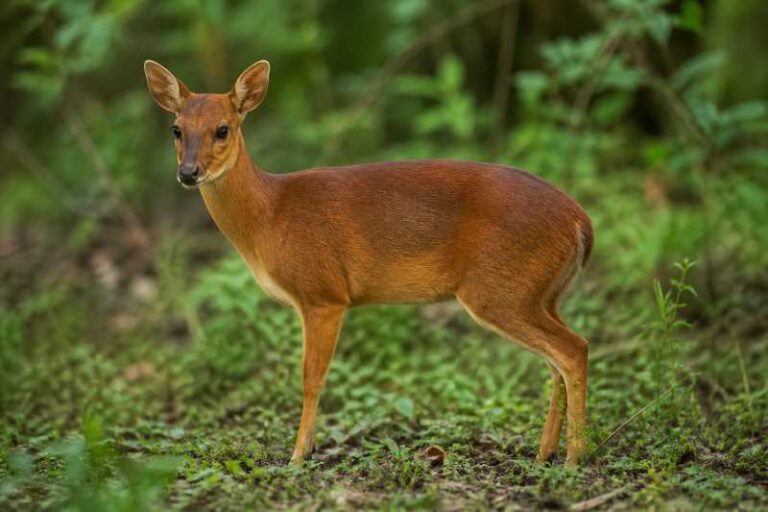
Introduction
The Eastern Aardwolf (Proteles septentrionalis) is a fascinating yet often overlooked member of the hyena family. Known for its unique insectivorous diet and nocturnal habits, the Eastern Aardwolf plays a critical role in its ecosystem. This article delves into its physical characteristics, habitat, behavior, and conservation status, providing a comprehensive overview of this intriguing species.
Physical Description
The Eastern Aardwolf is a small, slender mammal with a distinctive appearance. Standing about 40-50 cm at the shoulder and weighing between 7-10 kg, it is the smallest member of the hyena family. Its fur is a pale, yellowish color with dark vertical stripes running along its body, aiding in camouflage among the dry grasses of its habitat. The aardwolf possesses a long, bushy tail and a mane of long hair that can be erected to make the animal appear larger when threatened. Its face is marked by large, pointed ears and a pointed snout, adaptations that assist in detecting and consuming its primary prey: termites.
Range and Habitat
The Eastern Aardwolf is primarily found in East Africa, with its range extending from southern Ethiopia through Kenya and into Tanzania. It favors open, arid or semi-arid habitats, such as savannas and grasslands, where it can easily access its diet of termites. The aardwolf’s habitat is characterized by sparse vegetation, which allows it to spot predators while foraging.
Behavior and Diet
One of the most remarkable aspects of the Eastern Aardwolf is its diet. Unlike other hyenas, the aardwolf is specialized in feeding on termites, particularly those from the genera Trinervitermes and Hodotermes. It uses its long, sticky tongue to lap up thousands of termites in a single night, consuming up to 300,000 termites. This diet requires the aardwolf to have excellent hearing and a keen sense of smell to locate termite mounds.
The aardwolf is primarily nocturnal, emerging from its burrow at dusk to forage and returning before dawn. During the day, it rests in burrows, often those abandoned by aardvarks or warthogs, which provide shelter from the heat. Aardwolves are generally solitary, except during the breeding season or when raising young.
Identification Tips (field recognition cues)
Identifying an Eastern Aardwolf in the wild requires attention to several distinctive features:
- Size and Build: Look for a small, hyena-like animal with a slender build.
- Coloration and Markings: Note the pale, yellowish fur with dark vertical stripes.
- Mane and Tail: Observe the long mane that can be erected and the bushy tail.
- Behavior: Aardwolves are nocturnal; spotting one during the day is rare.
- Sound: They are generally quiet but may produce soft growls or a series of clicks.
Conservation Status (with threats and protections)
The Eastern Aardwolf is currently classified as Least Concern by the IUCN. However, it faces several threats that could impact its population in the future. Habitat loss due to agricultural expansion and human settlement poses a significant threat, as does the use of pesticides, which can reduce termite populations. In some areas, aardwolves are also hunted for their fur or killed due to mistaken identity with more problematic predators.
Conservation efforts focus on habitat protection and raising awareness about the aardwolf’s ecological role. Protected areas within its range offer some refuge, but continued efforts are needed to mitigate human-wildlife conflict and promote sustainable land-use practices.
Frequently Asked Questions
1. What do Eastern Aardwolves eat?
Eastern Aardwolves primarily feed on termites, consuming up to 300,000 in a single night. They use their long, sticky tongues to capture these insects efficiently.
2. Are Eastern Aardwolves dangerous to humans?
No, Eastern Aardwolves are not dangerous to humans. They are shy, nocturnal creatures that avoid human contact. Their diet consists solely of termites and other small insects.
3. How do Eastern Aardwolves communicate?
Eastern Aardwolves communicate through a series of soft growls, clicks, and body postures. They are generally solitary, so vocal communication is not as developed as in social hyena species.
4. Where can I see an Eastern Aardwolf in the wild?
Eastern Aardwolves can be seen in the savannas and grasslands of East Africa, particularly in countries like Kenya and Tanzania. They are most active at night when they emerge to forage for termites.
5. Why is the Eastern Aardwolf important to its ecosystem?
The Eastern Aardwolf plays a crucial role in controlling termite populations, which can be pests to crops and structures. By keeping termite numbers in check, aardwolves indirectly support agricultural productivity and ecosystem balance.
Related posts