Introduction
Bannister’s Mosaic-tailed Rat (Melomys bannisteri) is a fascinating and relatively newly discovered rodent species indigenous to Papua New Guinea. It was first described in 2016 and belongs to the family Muridae, which encompasses a variety of small rodents. The species is named in honor of Dr. H.C. Bannister for his contributions to the understanding of Melomys rodents.
Bannister’s Mosaic-tailed Rat thrives in the dense forests of Papua New Guinea, where it plays a crucial role in the ecosystem. The continued discovery and study of such species highlight the incredible biodiversity of the region and underscore the importance of conservation efforts.
Physical Description
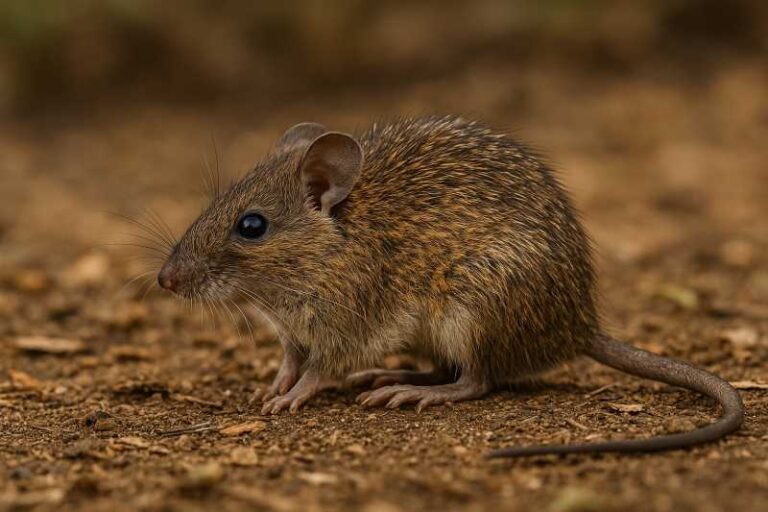
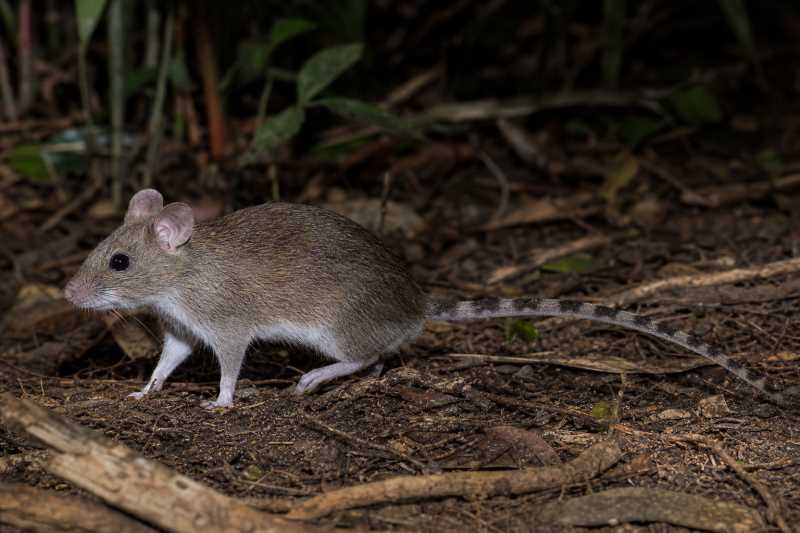
Bannister’s Mosaic-tailed Rat is a medium-sized rodent characterized by its unique tail, which is covered in a mosaic-like pattern of scales. This distinctive feature differentiates it from other species within the Melomys genus. The fur is typically a mix of brown and gray, providing excellent camouflage against the forest floor and surrounding foliage.
Adults generally weigh between 50 to 100 grams and measure approximately 20 to 25 cm in length, including the tail. The tail itself is slightly longer than the body, aiding in balance and mobility through the forest canopy. The species has small, rounded ears and large, dark eyes, providing keen senses of hearing and sight essential for survival in its natural habitat.
Range and Habitat
Bannister’s Mosaic-tailed Rat is endemic to Papua New Guinea, specifically inhabiting the lowland and montane forests of the island. These forests provide a rich environment of flora and fauna that support the diverse dietary needs of the species.
The fragmented distribution of their habitat is a result of the rugged terrain and varied climate zones of Papua New Guinea. This isolation has contributed to the evolution of unique adaptations seen in Bannister’s Mosaic-tailed Rat. The species is typically found at elevations ranging from sea level up to 1,200 meters, where it occupies both primary and secondary forests.
Behavior and Diet
Bannister’s Mosaic-tailed Rat is primarily nocturnal, engaging in most of its foraging and social activities under the cover of night. This behavior helps it avoid predators and take advantage of cooler temperatures. Generally solitary, these rats come together only for mating purposes.
The diet of Bannister’s Mosaic-tailed Rat is omnivorous, consisting of fruits, seeds, leaves, and insects. This varied diet allows them to adapt to seasonal changes in food availability. Their role as seed dispersers is vital for maintaining the health and continuity of the forest ecosystem.
Identification Tips (Field Recognition Cues)
Identifying Bannister’s Mosaic-tailed Rat in the field requires attention to several key characteristics:
- Tail Pattern: The tail’s mosaic-like scales are a distinctive feature that is not found in other similar rodents in the region.
- Fur Coloration: Look for the brown and gray mixed fur that provides natural camouflage against its environment.
- Size and Shape: Note the medium size, rounded ears, and the relatively long tail compared to the body, aiding in balance and agility.
- Behavioral Patterns: Active primarily at night, sightings are more likely during dusk or dawn when they emerge to forage.
Conservation Status (with threats and protections)
As of the latest assessments, Bannister’s Mosaic-tailed Rat is classified as Data Deficient on the IUCN Red List. The lack of comprehensive data reflects the challenges in studying this elusive species in its dense, rugged habitat.
The primary threats to its survival include habitat destruction due to logging and agricultural expansion, which lead to fragmentation and loss of the forest ecosystem. Climate change also poses a long-term threat by altering the delicate balance of their habitat.
Conservation efforts are focused on habitat preservation and research initiatives to better understand the species’ ecology and population dynamics. Protected areas within Papua New Guinea offer some refuge, although enforcement and management of these areas need to be strengthened to ensure effective conservation.
Frequently Asked Questions
What are the unique features of Bannister’s Mosaic-tailed Rat?
Bannister’s Mosaic-tailed Rat is distinguished by its mosaic-patterned tail scales, brown and gray fur, and nocturnal behavior. These features aid in its survival and camouflage within the forest habitat.
Where can Bannister’s Mosaic-tailed Rat be found?
This species is endemic to Papua New Guinea, inhabiting lowland and montane forests. It thrives in both primary and secondary forests at elevations up to 1,200 meters.
What does Bannister’s Mosaic-tailed Rat eat?
The diet of Bannister’s Mosaic-tailed Rat includes fruits, seeds, leaves, and insects, making it an important seed disperser within its ecosystem.
How can I identify Bannister’s Mosaic-tailed Rat in the wild?
Look for the unique mosaic-patterned tail, brown and gray fur, and medium size. Observing their nocturnal activity patterns can also aid identification.
What are the conservation challenges facing Bannister’s Mosaic-tailed Rat?
The main threats include habitat destruction from logging and agriculture, as well as climate change impacts. Conservation efforts focus on habitat preservation and further research.
Related posts