Introduction
Meller’s Mongoose (Rhynchogale melleri) is a fascinating member of the Herpestidae family, native to parts of Southern Africa. This elusive carnivore is named after the 19th-century British zoologist, Dr. James Meller, and is the only species within the genus Rhynchogale. Known for its solitary nature and secretive habits, Meller’s Mongoose is an intriguing subject for wildlife enthusiasts and researchers alike.
Meller’s Mongoose is not as widely recognized as some of its more famous relatives, such as the meerkat or the banded mongoose, but it plays a vital role in its ecosystem by controlling insect populations and serving as prey for larger predators. Understanding this species is crucial for its conservation and the broader protection of biodiversity in its native habitats.
Physical Description
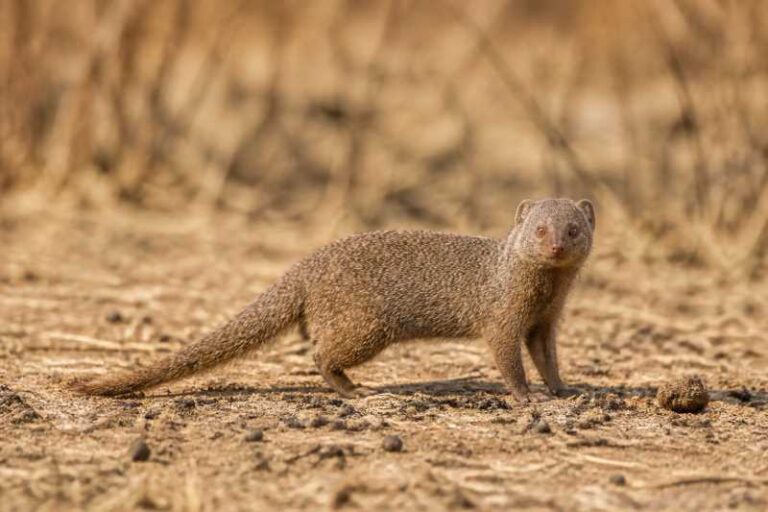
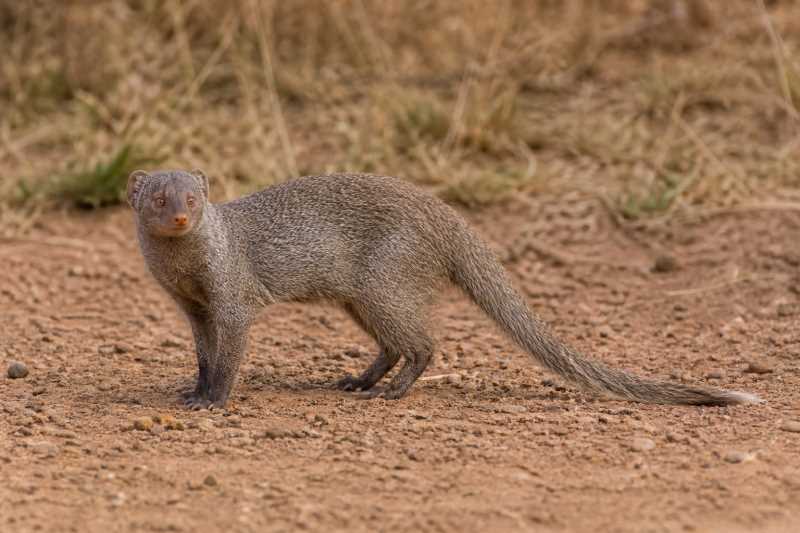
The Meller’s Mongoose is a medium-sized mongoose with a robust build, characterized by its long body and relatively short legs. Adults typically measure between 80 and 100 centimeters in length, including the tail, which accounts for about half of the total length. They weigh between 2.5 and 4 kilograms, with males generally being larger than females.
The coat of the Meller’s Mongoose is coarse and shaggy, predominantly greyish-brown, providing excellent camouflage in its natural habitat. The underparts are lighter, with a more muted shade of grey. One of the most distinctive features of this species is its elongated snout, which is well-adapted for probing into crevices to extract insects and other small prey.
The ears are small and rounded, while the eyes are dark and alert, reflecting the animal’s vigilant nature. The tail is bushy and tapers to a point, often carried low or dragging behind the animal as it moves.
Range and Habitat
Meller’s Mongoose is predominantly found in the savannas and woodlands of Southern Africa, with its range extending across several countries including Zimbabwe, Mozambique, Malawi, Tanzania, and parts of South Africa. The species tends to favor areas with dense vegetation, which provide ample cover and a rich supply of food.
This mongoose is versatile in its habitat preferences, being found in both dry and moist savanna regions, as well as in open woodlands. It is less commonly seen in areas of dense forest or arid desert, where its food resources would be limited. The presence of termite mounds, fallen logs, and rocky outcrops are important features of its habitat, as they offer shelter and foraging opportunities.
Behavior and Diet
Meller’s Mongoose is primarily nocturnal, though it may occasionally be active during the day, especially in undisturbed areas. It is a solitary creature, with individuals maintaining large territories that they mark and defend from intruders. These territories can vary in size depending on the availability of resources, but they are generally expansive.
The diet of Meller’s Mongoose is diverse, consisting mainly of insects, particularly termites, which they hunt using their acute sense of smell and adept digging skills. They also consume small vertebrates such as rodents, birds, and reptiles, as well as eggs and occasionally fruit.
Foraging usually takes place in the early morning or late afternoon when temperatures are cooler. The mongoose uses its strong forelimbs and sharp claws to dig into termite mounds or the soil to uncover prey. It is also known to scavenge from carcasses, demonstrating a degree of opportunistic feeding behavior.
Identification Tips
Identifying Meller’s Mongoose in the field can be challenging due to its elusive nature and camouflage. However, there are several key characteristics that can aid in recognition:
- Body Shape: Look for a long, slender body with short legs and a bushy tail.
- Fur Coloration: Note the greyish-brown coat with lighter underparts.
- Head Features: The elongated snout and small, rounded ears are distinctive.
- Behavior: Observe solitary behavior and nocturnal activity patterns.
Spotting this mongoose in its natural habitat often requires patience and a keen eye, as it blends seamlessly into its surroundings.
Conservation Status
As of the latest assessments, Meller’s Mongoose is classified as "Least Concern" by the International Union for Conservation of Nature (IUCN). This status reflects its relatively stable population across a broad range. However, like many wildlife species, it faces potential threats that could impact its future survival.
Threats
The primary threats to Meller’s Mongoose include habitat destruction due to agriculture expansion, human settlement, and infrastructure development. Additionally, they are sometimes hunted for their fur or killed due to the mistaken belief that they are pests. The use of pesticides can also reduce their food supply and pose direct poisoning risks.
Protections
Conservation efforts for Meller’s Mongoose are generally tied to broader habitat preservation initiatives. Protected areas such as national parks and wildlife reserves play a crucial role in safeguarding their environment. Public education campaigns can help reduce human-wildlife conflict and promote coexistence.
Frequently Asked Questions
What is the typical lifespan of Meller’s Mongoose?
In the wild, Meller’s Mongoose can live up to 10 years, though this can vary based on environmental conditions and predation pressures. In captivity, they may live slightly longer due to the absence of predators and consistent food supply.
How does Meller’s Mongoose communicate?
Meller’s Mongoose communicates using a variety of vocalizations, body postures, and scent markings. Vocalizations include growls, hisses, and purrs, often used in territorial disputes or interactions with others. Scent marking involves using secretions from glands to establish territory boundaries.
Are Meller’s Mongooses social animals?
Unlike some other mongoose species, Meller’s Mongoose is primarily solitary, except during the mating season or when a mother is raising her young. They are territorial and avoid contact with other mongooses to reduce competition for resources.
Related posts