The Tibetan Babax: An Insight into a Rare Avian Species
The Tibetan Babax, scientifically known as Pterorhinus koslowi, is a captivating bird species endemic to the rugged terrains of the Tibetan Plateau. This article delves into the distinct characteristics, habitat, behavior, and conservation status of this enigmatic bird, providing a comprehensive overview for ornithologists and bird enthusiasts alike.
Taxonomy and Nomenclature
The Tibetan Babax belongs to the family Leiothrichidae, which comprises a variety of laughingthrushes and babblers. Initially classified under the genus Garrulax, it was later assigned to the genus Pterorhinus following phylogenetic studies that revealed closer genetic affiliations within this grouping. The species was first described by Nikolai Przhevalsky in 1887, and its specific name, koslowi, honors the Russian explorer Pyotr Koslov.
Physical Characteristics
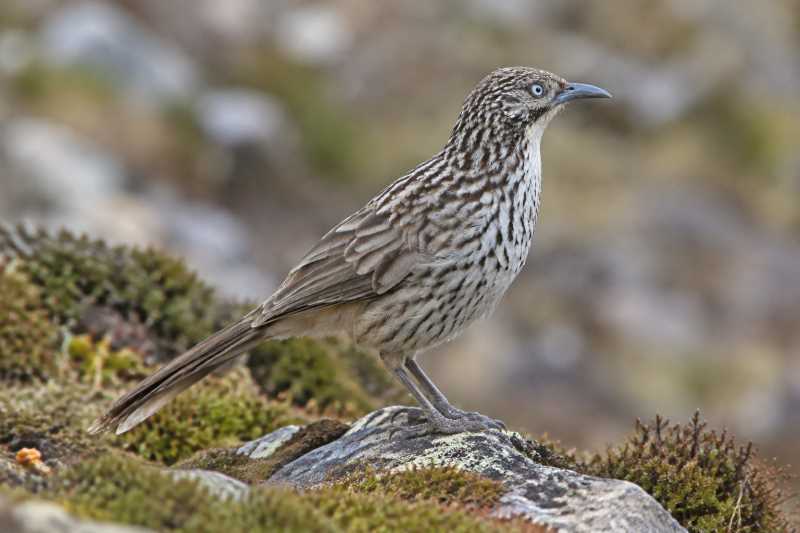
The Tibetan Babax is a medium-sized bird, measuring approximately 27 to 30 centimeters in length. Its plumage is predominantly brown with a subtle olive hue, which camouflages seamlessly with its natural habitat. The bird’s throat and chest are adorned with fine dark streaks, while its belly exhibits a lighter, creamy color. Its robust, slightly curved beak is well-adapted for foraging, and its long tail aids in maneuvering through the dense undergrowth.
The species is often mistaken for the Brown-cheeked Laughingthrush due to its similar coloration and size. However, the Tibetan Babax can be distinguished by its more pronounced streaking on the chest and a less conspicuous eye-ring.
Habitat and Distribution
Endemic to the high-altitude regions of the Tibetan Plateau, the Tibetan Babax inhabits areas characterized by scrublands, rhododendron thickets, and alpine meadows. It is typically found at elevations ranging from 3,000 to 5,000 meters above sea level. The harsh and isolated environment of its habitat has contributed to the limited distribution of this species, primarily confined to southeastern Tibet and parts of neighboring Sichuan and Yunnan provinces in China.
Behavior and Ecology
The Tibetan Babax is known for its social behavior, often seen in small groups or pairs. These birds are highly vocal, employing a range of calls and songs to communicate within their flocks. Their vocalizations, which include melodious whistles and harsh chattering, serve as a means of maintaining group cohesion and signaling potential threats.
Primarily ground-dwellers, Tibetan Babaxes forage for insects, seeds, and berries amidst the underbrush. They exhibit a methodical approach to feeding, using their beaks to probe the soil and leaf litter for hidden prey. This opportunistic feeding strategy allows them to exploit a variety of food resources available within their environment.
Breeding typically occurs between May and July, coinciding with the warmer months of the Tibetan summer. Nesting sites are usually located in dense shrubs or low trees, where the female lays a clutch of 2 to 3 eggs. Both parents share the responsibility of incubating the eggs and feeding the chicks once they hatch.
Conservation Status
The Tibetan Babax is currently classified as Least Concern by the International Union for Conservation of Nature (IUCN). Despite its restricted range, the species is believed to have a stable population, aided by the relative inaccessibility of its high-altitude habitat, which reduces human encroachment and habitat loss.
However, climate change poses a potential threat to the Tibetan Babax. Alterations in temperature and precipitation patterns could impact the availability of food resources and suitable nesting sites. Additionally, increased tourism and infrastructure development in the region could lead to habitat fragmentation and disturbance.
Efforts to conserve the Tibetan Babax require a comprehensive understanding of its ecology and continuous monitoring of its population trends. Protecting its natural habitat through the establishment of conservation areas and promoting sustainable tourism practices are crucial steps in ensuring the long-term survival of this species.
Conclusion
The Tibetan Babax stands as a testament to the remarkable biodiversity of the Tibetan Plateau. Its unique adaptations and behaviors highlight the intricate balance of life in high-altitude ecosystems. Continued research and conservation efforts are essential to preserve this species and the delicate environments on which it depends. By fostering awareness and appreciation for the Tibetan Babax, we can contribute to the broader goal of preserving the rich natural heritage of the Himalayas.
Related posts