The Dull-blue Flycatcher: A Jewel of the Sri Lankan Highlands
Introduction
The Dull-blue Flycatcher, known scientifically as Eumyias sordidus, is a captivating bird species endemic to the highlands of Sri Lanka. This relatively obscure bird has garnered interest among ornithologists and birdwatchers for its unique coloration, limited geographical range, and ecological significance. This article delves into the various facets of the Dull-blue Flycatcher, from its physical characteristics and habitat preferences to its behavior, diet, and conservation status.
Physical Characteristics
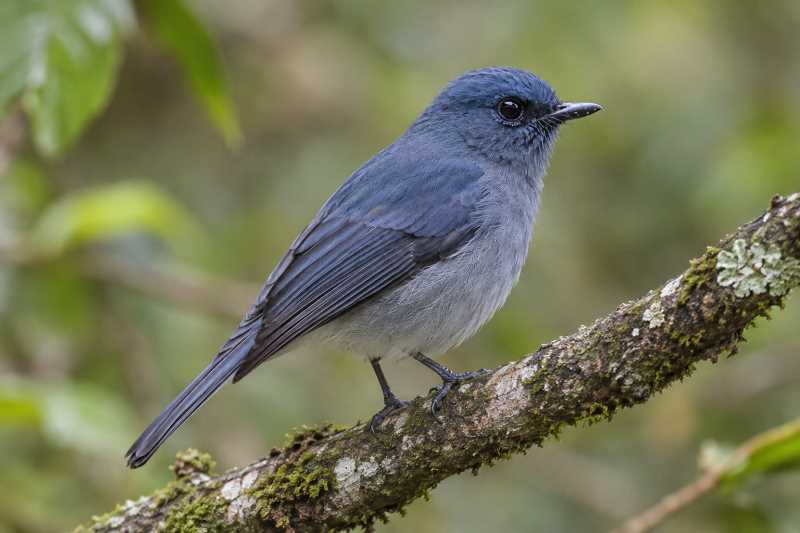
The Dull-blue Flycatcher is aptly named for its distinctive plumage. The adult male boasts a striking dull blue coloration on its upperparts, with a more subdued greyish hue on its underparts. The females, while similar, tend to have a slightly duller appearance. Both sexes exhibit a characteristic pale eye ring that adds to their distinctive look. Measuring around 15 cm in length, this flycatcher is relatively small, yet its vibrant coloration makes it an unmistakable presence in its habitat.
Habitat and Range
The Dull-blue Flycatcher is a highland specialist, predominantly found in the montane forests of Sri Lanka, particularly in areas such as Horton Plains National Park and the Knuckles Mountain Range. These regions, characterized by dense forests and a cool climate, provide the ideal environment for this species. The bird typically inhabits elevations above 1200 meters, although it can occasionally be found at lower altitudes. The restricted range of the Dull-blue Flycatcher highlights its endemic status and underscores the importance of conserving its natural habitat.
Behavior and Ecology
Primarily insectivorous, the Dull-blue Flycatcher forages actively, often seen flitting through the forest canopy in search of prey. It employs a ‘sit-and-wait’ strategy, perching silently before making quick, precise sallies to catch insects in mid-air. This flycatcher is also known to feed on small fruits, particularly during certain seasons when insect availability might be reduced.
Socially, the Dull-blue Flycatcher tends to be solitary or found in pairs, especially during the breeding season. However, it may join mixed-species foraging flocks, a common behavior in tropical forests that enhances feeding efficiency and reduces predation risks.
Breeding and Reproduction
Breeding for the Dull-blue Flycatcher typically occurs during the wet season, from April to June, when food resources are abundant. The species is known to be monogamous, with pairs forming strong bonds that often last beyond a single breeding season. Nests are usually constructed in tree hollows or on ledges, using moss, lichen, and other plant materials to camouflage against predators.
The female lays a clutch of 2 to 3 eggs, which she incubates for approximately 14 days. Both parents participate in feeding the chicks, which fledge about 18 to 21 days after hatching. The high level of parental care is critical for the survival of the young, given the myriad of potential threats in their environment.
Conservation Status
The Dull-blue Flycatcher is currently classified as Near Threatened on the IUCN Red List. This status is primarily due to its limited range and the ongoing threats to its montane forest habitat. Deforestation, driven by agricultural expansion and logging, poses a significant risk to the species. Additionally, climate change could alter the ecological balance of its highland environment, further pressuring its populations.
Conservation efforts for the Dull-blue Flycatcher are crucial. Protecting and restoring its natural habitat, along with implementing measures to curb deforestation, are vital steps toward ensuring the survival of this unique bird. Public awareness and ecotourism can also play a role in its conservation by promoting sustainable practices and highlighting the flycatcher’s ecological importance.
Conclusion
The Dull-blue Flycatcher, with its striking appearance and specialized habitat needs, is a true gem of Sri Lanka’s avian diversity. Its existence is a testament to the rich biodiversity found within the island’s montane forests. As human activities continue to impact these delicate ecosystems, the responsibility to protect and preserve such species becomes ever more critical. By understanding and appreciating the intricacies of the Dull-blue Flycatcher’s life, we can better advocate for its conservation and the broader health of our natural world.
Related posts