Introduction
The Ambarijeby Mouse Lemur, scientifically known as Microcebus danfossi, is a fascinating primate species endemic to Madagascar. These small, nocturnal creatures are part of the diverse family of Cheirogaleidae, which comprises some of the smallest primates in the world. Despite their diminutive size, mouse lemurs play a significant role in their ecosystems as pollinators and seed dispersers. In recent years, the Ambarijeby Mouse Lemur has gained attention due to its unique characteristics and the conservation challenges it faces.
Physical Description
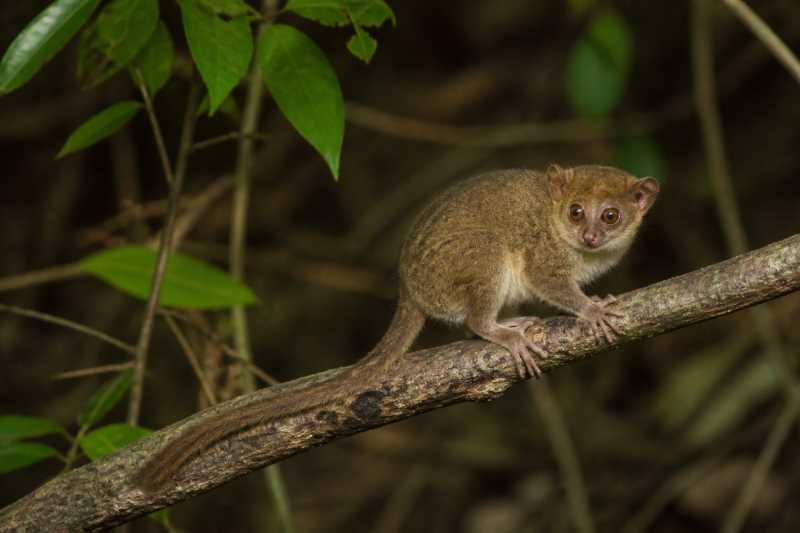
The Ambarijeby Mouse Lemur is a tiny primate characterized by its large eyes, which are adapted for nocturnal vision. It typically weighs between 40 to 70 grams and has a body length of approximately 12 to 14 centimeters, with a tail that can extend up to 16 centimeters. Its fur is soft and dense, usually featuring a reddish-brown color on the dorsum and a lighter, often grayish or cream-colored ventral side. The ears are relatively large and rounded, contributing to its excellent hearing capabilities.
One of the most distinctive features of the Ambarijeby Mouse Lemur is its long tail, which aids in balance and agility as it navigates the forest canopy. The lemur’s hands and feet are equipped with opposable thumbs and toes, making it a proficient climber, capable of grasping branches and moving swiftly through its arboreal habitat.
Range and Habitat
The Ambarijeby Mouse Lemur is endemic to Madagascar, specifically found in the northern regions of the island. This species inhabits the dry deciduous forests, which are characterized by seasonal climates and a rich biodiversity. These forests provide an ideal environment with ample food resources and shelter.
The lemur’s range is restricted to certain protected areas, including the Ankarana and Montagne d’Ambre National Parks. However, due to habitat destruction and fragmentation, their distribution is becoming increasingly limited, posing a significant threat to their survival.
Behavior and Diet
As a nocturnal species, the Ambarijeby Mouse Lemur is primarily active during the night. It exhibits solitary behavior, although individuals may occasionally be seen foraging in small groups. These lemurs communicate using a variety of vocalizations, including high-pitched calls and whistles, which serve to alert others of potential threats or to establish territory boundaries.
The diet of the Ambarijeby Mouse Lemur is omnivorous, consisting of fruits, flowers, nectar, insects, and small vertebrates. Their feeding habits play a crucial role in the ecosystem, as they aid in pollination and seed dispersal, contributing to the health and regeneration of their forest habitats.
Identification Tips (Field Recognition Cues)
Field identification of the Ambarijeby Mouse Lemur can be challenging due to its nocturnal and elusive nature. However, certain characteristics can aid in its recognition:
- Size and Shape: Look for a small, agile primate with a body length of 12-14 cm and a relatively long tail.
- Coloration: Notice the reddish-brown fur on the back and the lighter, cream-colored belly.
- Eyes and Ears: Observe the large, prominent eyes adapted for night vision and the rounded ears.
- Vocalizations: Listen for high-pitched calls during dusk and dawn.
- Habitat: Search in dry deciduous forests within protected areas in northern Madagascar.
Conservation Status (With Threats and Protections)
The Ambarijeby Mouse Lemur is currently classified as "Endangered" on the IUCN Red List. The primary threats to this species include habitat destruction due to logging, agricultural expansion, and mining activities. Additionally, climate change poses a long-term threat by altering their habitat conditions.
Conservation efforts are underway to protect this species, primarily through the establishment and management of protected areas such as national parks. Environmental organizations are also working with local communities to promote sustainable land-use practices and raise awareness about the importance of biodiversity conservation.
Frequently Asked Questions
Q: What is the lifespan of the Ambarijeby Mouse Lemur? A: In the wild, the Ambarijeby Mouse Lemur typically lives for about 5 to 8 years. In captivity, with proper care, they can live slightly longer.
Q: How does the Ambarijeby Mouse Lemur contribute to its ecosystem? A: This lemur species plays a vital role in pollination and seed dispersal, aiding in the regeneration of forest ecosystems and supporting biodiversity.
Q: What are the main threats to the Ambarijeby Mouse Lemur? A: The main threats include habitat destruction due to human activities such as logging and agriculture, as well as climate change impacts.
Q: Are there any conservation programs in place for the Ambarijeby Mouse Lemur? A: Yes, there are conservation programs focusing on habitat protection, sustainable land management, and community education to ensure the survival of this species.
Q: Can the Ambarijeby Mouse Lemur be kept as a pet? A: No, it is illegal and unethical to keep wild lemurs as pets. They require specific environmental conditions that cannot be replicated in domestic settings.
Related posts