Introduction
The Manchurian Hare, scientifically known as Lepus mandshuricus, is a fascinating species of hare native to the temperate regions of East Asia. Known for its elusive nature and adaptability to various environments, this species plays a crucial role in its ecosystem. The Manchurian Hare is a subject of interest not only for wildlife enthusiasts but also for conservationists focused on protecting biodiversity in its native habitats. This article delves into the specifics of the Manchurian Hare, covering everything from its physical attributes to its conservation status.
Physical Description
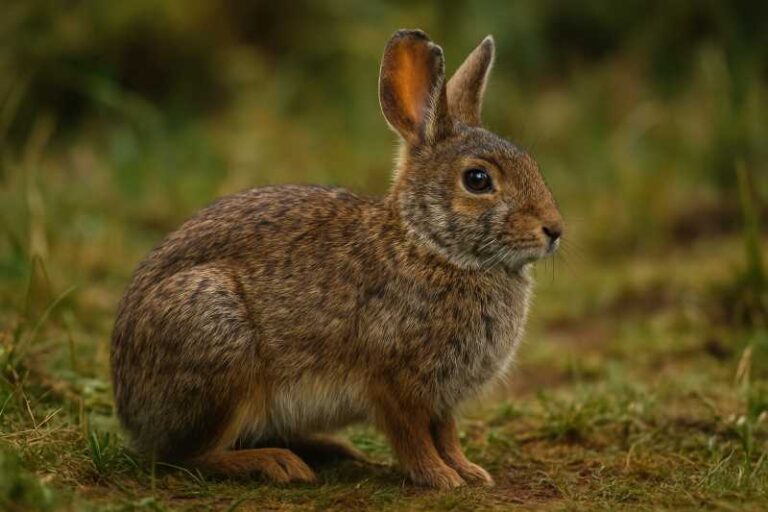
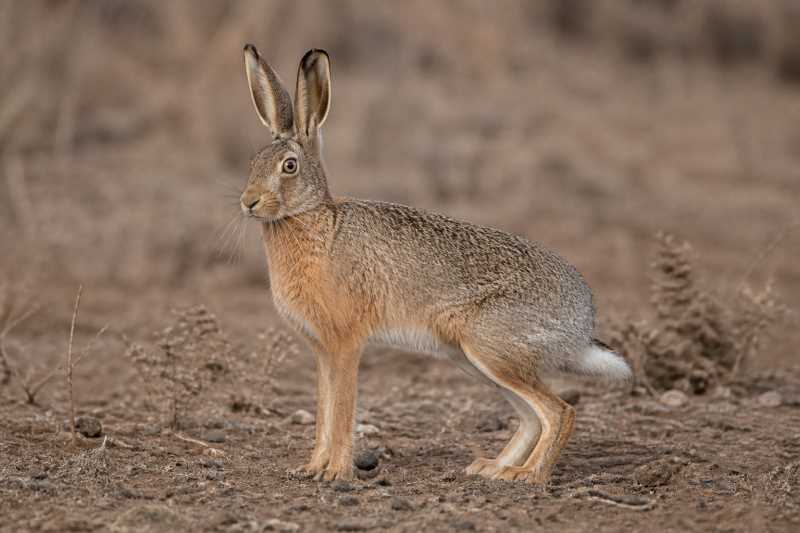
The Manchurian Hare is a medium-sized mammal, characterized by its robust body and long ears. It typically weighs between 2 to 3 kilograms, with a body length ranging from 40 to 60 centimeters. The hare possesses a dense, soft fur coat that exhibits seasonal color changes; it turns a grayish-brown during the summer to offer camouflage against the forest floor, and shifts to a lighter, more muted tone in the winter to blend with the snow. Its ears, though long, are slightly shorter than those of other hare species, measuring around 7 to 9 centimeters. The hind limbs are powerful and longer than the forelimbs, facilitating swift movement crucial for escaping predators.
Range and Habitat
The Manchurian Hare is predominantly found in the temperate forests of northeastern China, particularly in the provinces of Heilongjiang, Jilin, and Liaoning. Its range extends into parts of the Russian Far East, including the Primorsky and Khabarovsk regions, and it is also present in North Korea. This species prefers dense, deciduous forests and mixed woodlands, though it can also be found in grasslands and shrublands. Adaptability is a key trait of the Manchurian Hare, allowing it to thrive in various environments, from lowland plains to mountainous regions.
Behavior and Diet
Primarily nocturnal, the Manchurian Hare is most active during the twilight hours of dawn and dusk, a behavior known as crepuscular activity. It relies on its acute senses of hearing and smell to detect predators in its environment. The hare is predominantly solitary, coming together only for mating and rearing offspring.
The diet of the Manchurian Hare is herbivorous, consisting mainly of grasses, leaves, twigs, and bark. During the warmer months, it feeds on a variety of herbaceous plants and succulent shoots. In winter, when food is scarce, it shifts to consuming the bark of trees and shrubs. This dietary flexibility is essential for survival in the varying climates of its natural range.
Identification Tips (Field Recognition Cues)
Identifying the Manchurian Hare in the wild can be challenging due to its elusive nature. However, there are several key features to observe:
- Fur Color: Look for the seasonal change in fur coloration, which provides camouflage against the forest floor in summer and snow in winter.
- Ear Length: The ears are shorter than those of other hares, with a distinctive black tip.
- Tail: Its tail is relatively short compared to other hare species and is often tucked close to the body.
- Behavioral Patterns: Spotting them during twilight hours increases chances of observation.
- Tracks: The hare leaves distinctive track patterns in the snow, with large hind foot impressions.
Conservation Status (With Threats and Protections)
The Manchurian Hare is currently listed as Near Threatened on the IUCN Red List of Threatened Species. The primary threats to its survival include habitat loss due to deforestation and agricultural expansion, as well as hunting for its fur and meat. Furthermore, climate change poses a long-term threat by altering its natural habitats.
Conservation efforts are underway to protect this species, including habitat preservation initiatives and legal protections against hunting. In China, several nature reserves have been established to safeguard its habitat. Cross-border conservation efforts are also important, given the hare’s range extending into Russia and North Korea.
Frequently Asked Questions
1. What are the main predators of the Manchurian Hare?
The Manchurian Hare faces predation from a variety of carnivores, including foxes, lynxes, and birds of prey. Its nocturnal and crepuscular habits, along with its excellent hearing, help it avoid these predators.
2. How does climate change affect the Manchurian Hare?
Climate change impacts the Manchurian Hare by altering its habitat and food availability. Changes in temperature and precipitation patterns can lead to shifts in vegetation, affecting the hare’s food sources and shelter.
3. Is the Manchurian Hare kept in captivity or bred in zoos?
The Manchurian Hare is not commonly found in zoos or captivity due to its specific habitat requirements and elusive nature. Conservation efforts focus more on habitat preservation in the wild.
4. How can I help in the conservation of the Manchurian Hare?
Supporting organizations that focus on habitat conservation and reforestation in the regions where the Manchurian Hare lives can contribute significantly to its protection. Raising awareness about the species and its ecological significance is also crucial.
5. What adaptations help the Manchurian Hare survive in its environment?
Key adaptations include its cryptic fur coloration for camouflage, powerful hind limbs for quick escape, and a flexible diet that allows it to survive in different seasonal conditions.
Related posts