Introduction
The Simandou Pipistrelle, scientifically named Pipistrellus simandouensis, is a lesser-known species of bat that has recently captured the attention of researchers and conservationists alike. Native to the Simandou Range in Guinea, West Africa, this small bat is part of the Vespertilionidae family, which is considered one of the most diverse and widespread bat families globally. Characterized by its subtle physical features and elusive nature, the Simandou Pipistrelle plays a crucial role in its ecosystem. This article delves into the various aspects of this intriguing mammal, from its physical description to its conservation status.
Physical Description
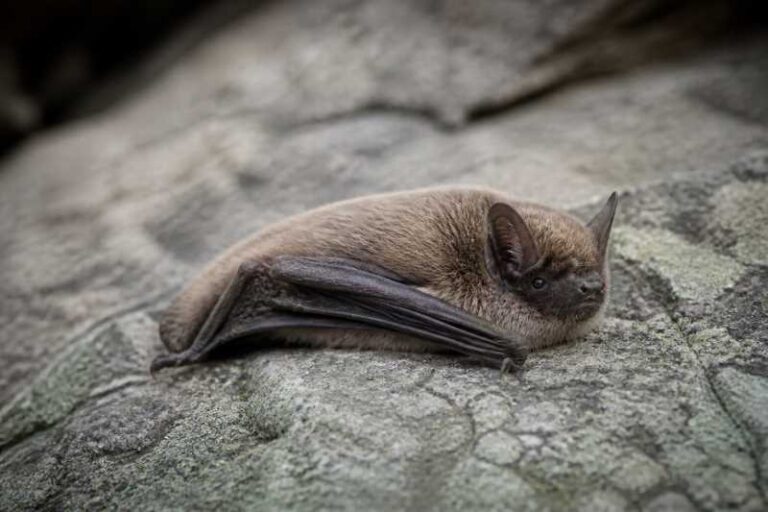
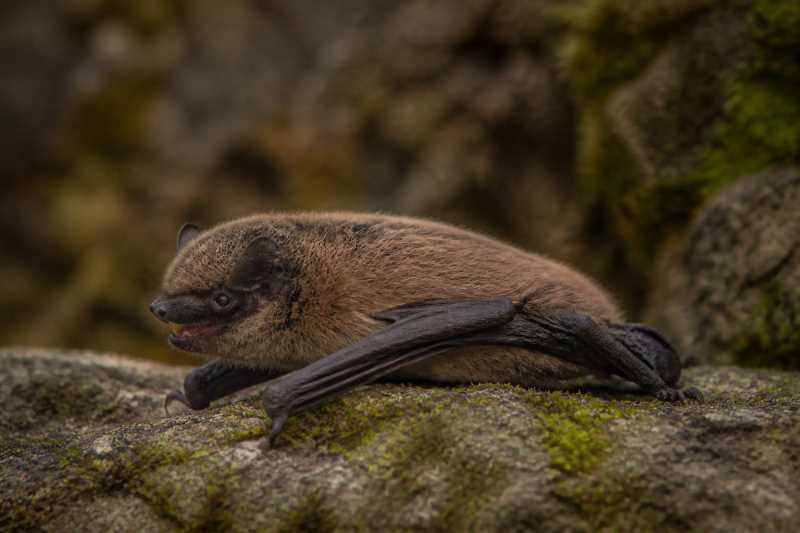
The Simandou Pipistrelle is a small bat, typically measuring between 3.5 to 5.5 centimeters in body length, with a wingspan reaching up to 25 centimeters. Its weight ranges from 5 to 8 grams, making it a lightweight flyer. The fur is generally dark brown, which provides excellent camouflage against the bark of trees and the dark recesses of caves where it roosts. The species is characterized by its short, rounded ears and a slightly upturned snout, which are typical of pipistrelle bats.
The wing membranes are broad and flexible, allowing for agile flight, which is crucial for catching insects in mid-air. The dental structure of the Simandou Pipistrelle is adapted for an insectivorous diet, with sharp, pointed teeth ideal for piercing the exoskeletons of its prey.
Range and Habitat
The Simandou Pipistrelle is endemic to the Simandou Range in Guinea, a region known for its rich biodiversity and significant mineral reserves. The habitat consists primarily of tropical forests and mountainous regions, which provide ample roosting sites and abundant food resources. These bats are typically found at elevations ranging from 500 to 1,500 meters above sea level.
The region’s microclimate offers a variety of niches that the Simandou Pipistrelle exploits. They roost in tree hollows, caves, and even man-made structures, demonstrating a degree of adaptability. However, due to their limited range, their habitat is susceptible to changes brought about by human activities, particularly mining and deforestation.
Behavior and Diet
The Simandou Pipistrelle is nocturnal, emerging at dusk to forage for food. Its diet mainly consists of small insects, including moths, beetles, and mosquitoes, which it catches in flight using echolocation. This sophisticated navigation system allows the bat to emit high-frequency sounds that bounce off objects, helping it locate prey even in complete darkness.
Socially, the Simandou Pipistrelle is known to be relatively solitary, although small groups have been observed roosting together. Roosting sites are chosen based on factors such as temperature, humidity, and predator avoidance. During the breeding season, typically in the warmer months, females may form maternity colonies where they give birth and raise their young.
Identification Tips (Field Recognition Cues)
Identifying the Simandou Pipistrelle in the field requires a keen eye and awareness of its specific characteristics:
- Size and Shape: Look for a small bat with a compact body and broad wings.
- Coloration: The dark brown fur and slightly lighter underbelly are distinguishing features.
- Echolocation Calls: Use a bat detector to pick up the high-frequency calls typical of pipistrelle bats.
- Flight Pattern: Observe the erratic, agile flight as it hunts for insects.
Conservation Status (With Threats and Protections)
The conservation status of the Simandou Pipistrelle is currently not well-documented, largely due to its recent discovery and the challenges in studying its elusive nature. However, like many bat species, it faces threats from habitat destruction, primarily due to mining activities in the Simandou Range. Deforestation for agriculture and infrastructure development further exacerbates the loss of suitable roosting sites.
Conservation efforts are crucial for protecting this species. Establishing protected areas within its habitat range and implementing sustainable mining practices are vital steps. Further research is needed to better understand its population dynamics and ecological role, which can inform targeted conservation strategies.
Frequently Asked Questions
Why is this species unique?
The Simandou Pipistrelle’s uniqueness stems from its restricted range and recent discovery, which highlight its potential vulnerability and the need for targeted conservation efforts. Its ecological role as an insect predator also contributes to the biodiversity and health of its native habitat.
What are the main threats to the Simandou Pipistrelle?
The primary threats include habitat destruction due to mining and deforestation. These activities reduce available roosting sites and food resources, posing significant challenges to the species’ survival.
How can we help conserve the Simandou Pipistrelle?
Supporting conservation initiatives in the Simandou Range, advocating for sustainable mining practices, and raising awareness about the species’ plight are critical actions. Engaging in citizen science projects can also contribute valuable data for researchers.
What role does the Simandou Pipistrelle play in its ecosystem?
As an insectivore, the Simandou Pipistrelle helps control insect populations, which is crucial for maintaining ecological balance. Its presence indicates a healthy ecosystem, making it an important species for biodiversity.
Are there any known conservation programs for this species?
Currently, there are limited specific conservation programs for the Simandou Pipistrelle, but broader efforts to protect the Simandou Range’s biodiversity indirectly benefit the species. Increased research and monitoring are essential for developing targeted conservation strategies.
Related posts