Introduction
The South China White-bellied Rat, scientifically known as Niviventer huang, is a fascinating member of the Muridae family. This elusive rodent is primarily found in the subtropical and tropical regions of southern China, where it plays a crucial role in the ecosystem. Despite its ecological significance, little is known about this species, which continues to intrigue researchers and wildlife enthusiasts alike. In this article, we delve into the various aspects of the South China White-bellied Rat, exploring its physical characteristics, habitat, behavior, and conservation status.
Physical Description
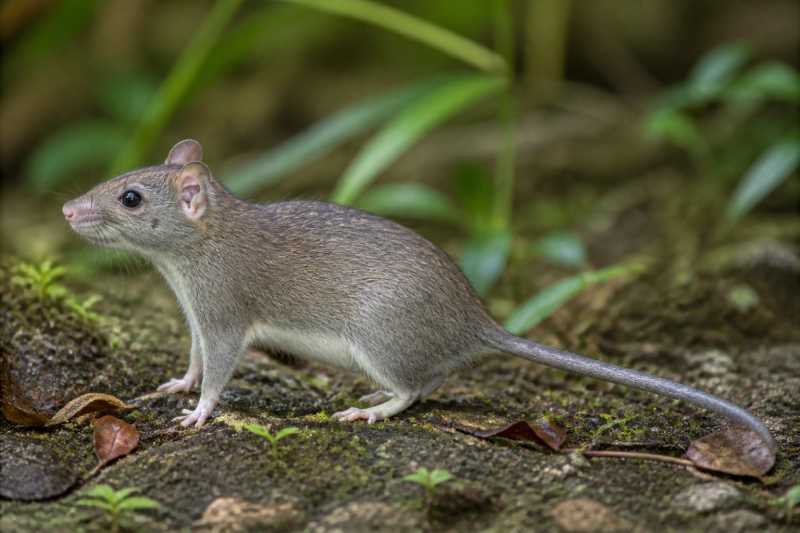
The South China White-bellied Rat is a small to medium-sized rodent, characterized by its distinct white underbelly, which contrasts sharply with its darker upper body. This physical trait is the basis for its common name. The fur on its back ranges from grayish-brown to a more vibrant reddish-brown, providing effective camouflage in its natural habitat. The species has a slender body, with an average length of about 15 to 20 centimeters, not including its long, scaly tail which can be an additional 15 to 22 centimeters.
The rat’s head is adorned with large, round ears and prominent, dark eyes, which are advantageous for nocturnal activities. Its whiskers are long and sensitive, aiding in navigation and environmental sensing. The feet of Niviventer huang are well-adapted for climbing, featuring sharp claws that provide a strong grip on various surfaces.
Range and Habitat
Niviventer huang is endemic to southern China, where it inhabits a range of environments, from lowland forests to mountainous regions. It thrives in subtropical and tropical climates, often found in dense undergrowth and bamboo groves. The South China White-bellied Rat is adaptable, capable of living in both primary and secondary forests, though it shows a preference for undisturbed, mature forest ecosystems.
The species is also known to occupy agricultural areas and plantations, where it can find food resources, though this often brings it into conflict with human activities. Its range is relatively restricted, primarily encompassing the provinces of Guangdong, Guangxi, and Hainan.
Behavior and Diet
The South China White-bellied Rat is primarily nocturnal, spending the night foraging and the day resting in burrows or nests constructed in trees or dense vegetation. Its diet is omnivorous, consisting of seeds, fruits, insects, and small invertebrates. This varied diet not only sustains the rat but also contributes to seed dispersal, making it an important ecological player.
Social behavior in Niviventer huang is not extensively documented, but it is believed to be solitary or form small family groups. Communication is likely facilitated through vocalizations, scent markings, and tactile interactions.
Identification Tips (Field Recognition Cues)
Identifying the South China White-bellied Rat in the field can be challenging due to its elusive nature and the dense habitats it frequents. However, there are several key characteristics to look for:
- Distinctive White Belly: The stark white underbelly is a reliable identifying feature.
- Tail Length: The tail is longer than the body and exhibits a scaly texture.
- Fur Coloration: Look for the grayish-brown or reddish-brown back.
- Large Ears and Eyes: These features are indicative of its nocturnal lifestyle.
- Habitat: Spotting this rat is more probable in dense forests and bamboo groves.
Conservation Status (with Threats and Protections)
The conservation status of the South China White-bellied Rat is currently listed as "Data Deficient" by the International Union for Conservation of Nature (IUCN). This classification highlights the need for further research to accurately assess its population trends and threats.
Primary threats to Niviventer huang include habitat loss due to deforestation, agricultural expansion, and urban development. These activities not only reduce available habitat but also fragment existing populations, making it difficult for them to maintain genetic diversity.
Conservation efforts for this species focus on habitat protection and restoration. Several protected areas in southern China provide some refuge, but more targeted conservation strategies are needed. Research initiatives aimed at understanding the species’ ecology and population dynamics are essential to inform effective conservation actions.
Frequently Asked Questions
What is the habitat of the South China White-bellied Rat?
The South China White-bellied Rat inhabits subtropical and tropical forests in southern China, particularly in regions with dense undergrowth and bamboo groves. It is adaptable to both primary and secondary forests.
How can I identify a South China White-bellied Rat?
Look for its distinctive white belly, long scaly tail, large ears and eyes, and grayish-brown or reddish-brown back. They are often found in dense forested areas.
What does the South China White-bellied Rat eat?
Its diet is omnivorous, including seeds, fruits, insects, and small invertebrates. This varied diet aids in seed dispersal and ecological balance.
What threats does the South China White-bellied Rat face?
The main threats are habitat loss due to deforestation, agricultural activities, and urbanization. Conservation efforts focus on habitat protection and further research.
Is the South China White-bellied Rat endangered?
Currently, it is classified as "Data Deficient" by the IUCN, indicating a need for more research to assess its population status and threats accurately.
Related posts